By Xin Gen Tech
If you have ever worn a waterproof jacket, used a smartphone with a curved screen protector, or benefited from a medical dressing that stayed comfortable for hours, you have likely encountered TPU laminated fabric — possibly without ever knowing it. As a material that bridges the gap between rubber and plastic, thermoplastic polyurethane (TPU) has quietly become one of the most versatile polymers in modern manufacturing. When laminated onto textiles, it creates a composite that is flexible, durable, waterproof, and breathable in ways that traditional coatings simply cannot match.
In this article, I will break down what TPU laminated fabric actually is, where it is used, and why so many manufacturers are switching to it. I will also share practical insights from our own experience at Shanghai Xin Gen Tech Co., Ltd., a company that has specialized in high-end TPU products since 2009.
1. Understanding TPU Laminated Fabric: The Basics
TPU laminated fabric is a composite material made by bonding a thin layer of thermoplastic polyurethane film to a base textile — typically polyester, nylon, or even cotton blends. The TPU film can be applied through heat and pressure (hot-melt lamination) or with adhesives. The result is a fabric that retains the softness and drape of the original textile while gaining the functional properties of TPU: elasticity, abrasion resistance, waterproofing, and breathability.
Unlike PVC or PU coatings, TPU does not contain plasticizers that can migrate or cause environmental concerns. It is also recyclable in many formulations, which has made it increasingly attractive to brands under pressure to meet sustainability targets.
Practical tip: When choosing a TPU film for lamination, match the film's hardness (Shore A) to the end use. A softer film (70–85 Shore A) works well for apparel that needs to stretch, while harder films (90+ Shore A) are better for automotive or industrial applications where puncture resistance matters.
2. Why TPU Outperforms Traditional Laminates
From my perspective, the key advantage of TPU is its balance of properties. Let me compare it with two common alternatives:
PVC laminated fabric: Cheaper upfront, but heavier, stiffer, and prone to cracking. It also contains chlorine and plasticizers that raise environmental and health concerns.
PU-coated fabric: More flexible than PVC, but often lacks true breathability and can yellow over time. It also tends to have lower tear strength.
TPU, by contrast, offers:
High elasticity and recovery
Excellent low-temperature flexibility (down to -40°C in some grades)
Hydrolysis resistance when properly formulated
Breathability through monolithic or microporous structures
Good adhesion to a wide range of substrates
For brands like those in outdoor gear or medical textiles, these properties translate into products that last longer and perform better.
Practical tip: Always request a peel-strength test on laminated samples. A good TPU lamination should hold at least 3–5 N/cm, depending on the substrate and end use.
3. Key Applications Across Industries
TPU laminated fabric is not a niche material anymore. Here is where it shows up:
Footwear and Bags: This is the largest consumer market for TPU. It is used in athletic shoe cushioning, upper decoration, and as a waterproof-breathable membrane when laminated with fabrics. Brands like Nike and Adidas have used TPU in performance footwear for years. At Xin Gen Tech, we have supplied TPU films that bond to mesh and synthetic leather for shoe uppers that resist scuffs and water.
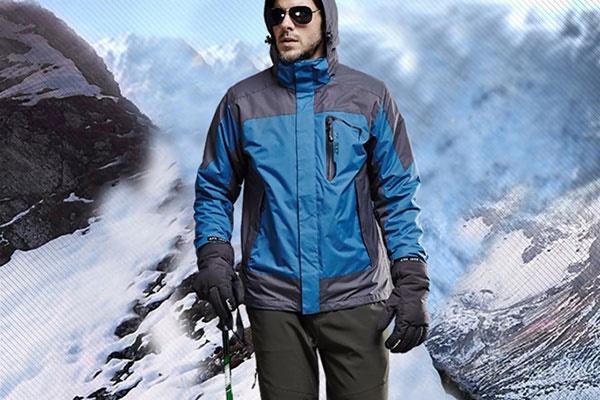
Textiles and Apparel: When composited with polyester fibers, TPU creates waterproof-breathable fabrics for rain jackets, ski wear, and even school uniform fabrics. Unlike traditional coatings, TPU does not feel clammy because it allows moisture vapor to escape.
Automotive: TPU films are used in interior parts and paint protection film (PPF). They resist scratches and stone impacts, improving durability. A growing number of electric vehicle makers are using TPU-based laminates for battery pack insulation.
Electronics: Mobile phone screen protectors made from TPU can self-heal minor scratches and fit curved screens perfectly. TPU is also used for wire insulation and wearable devices.
Medical: Medical-grade TPU is used in wound dressings and medical catheters. Its biocompatibility makes it suitable for direct skin contact and even implantable applications in some cases. Xin Gen Tech exhibited innovative medical materials at the 2025 Shanghai CMEF, reflecting the growing demand in this sector.
Specialty Fields: In the field of bulletproof glass lamination, TPU films provide stable adhesion between polycarbonate and glass. We worked with a customer in Brazil who needed exactly this — a high-adhesion TPU film with stable optical clarity. The result: the lamination passed testing and entered pilot production.
Practical tip: For medical or skin-contact applications, insist on TPU films that carry ISO 10993 or FDA-compliant certifications. Not all TPU grades are created equal.
4. The Sampling Challenge: Why Fast, Reliable Prototyping Matters
One of the biggest pain points I hear from product developers is the sampling process. You need to test a TPU film on your actual production line, but many suppliers take weeks to send samples — and when they arrive, the quality may not match what you get in mass production.
At Xin Gen Tech, we addressed this by building in-house laboratory equipment that simulates our mass production lines on a 1:1 basis. This allows us to provide:
Sample width: 400mm
Fast sampling lead time
Low sampling cost
Stable and consistent sample quality
Support for customized thickness, hardness, and functional requirements
Professional technical support during the sampling process
This efficient sampling system helps customers shorten development time and accelerate project evaluation. In my view, this is a critical differentiator. A supplier that cannot replicate its production process in the lab will always leave you guessing.
Practical tip: Before committing to a large order, ask your TPU supplier to provide a sample that was made on equipment matching their production line. If they cannot, look elsewhere.
5. Certifications and Trust: What to Look For
When sourcing TPU laminated fabric, certifications are not just paperwork — they are proof that the material has been tested for safety and performance. Xin Gen Tech holds ISO 9001:2015 and OHSAS 18001:2007 for quality and occupational health management. Our products also carry OEKO-TEX, SGS, ROHS, REACH, FDA, and EU 10/2011 certifications, among others.
Our factory includes a research and development center and a product laboratory to ensure quality at every stage. Established in 2009, with headquarters, R&D, and factory in Shanghai covering over 6,000 square meters, we opened sales branches in Shenzhen and Los Angeles in 2023 to better serve global customers.
Practical tip: Always request the latest test reports for the specific TPU grade you are considering. Certifications can vary by formulation and thickness.
6. Final Thoughts: Why TPU Laminated Fabric Is Here to Stay
From my perspective, the shift toward TPU laminated fabric is driven by three forces: performance, regulation, and consumer expectation. Performance because TPU simply works better in demanding applications. Regulation because PVC and some PU formulations face increasing restrictions. Consumer expectation because people want products that are durable, comfortable, and responsibly made.
If you are developing a product that needs waterproofing, breathability, elasticity, or abrasion resistance, TPU laminated fabric deserves a serious look. And when you evaluate suppliers, prioritize those with in-house sampling capabilities, transparent certifications, and a track record across multiple industries.
Xin Gen Tech specializes in the research, development, and production of high-end TPU products sold internationally. Our applications cover clothing and textiles, outdoor products, electronics, automotive, medical, and other industrial fields. If you are exploring TPU laminated fabric for your next project, we welcome the opportunity to support your development with fast, reliable sampling and technical expertise.