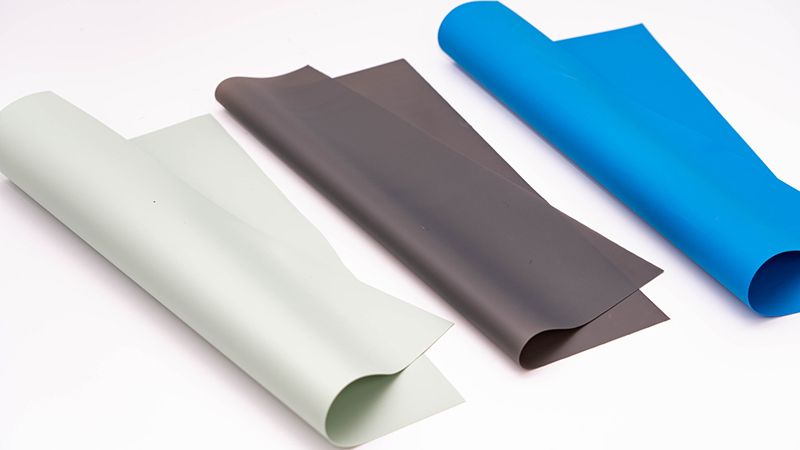
If you work in outdoor apparel, footwear, or technical textiles, you have probably noticed a shift over the past few years: brands are moving away from traditional PU and PVC coatings toward TPU lamination. The reasons are not just environmental — they are practical, performance-driven, and increasingly cost-effective at scale.
But not all TPU laminated fabric suppliers are equal. Having worked through dozens of material sourcing projects, I have seen brands save 20–30% on total project costs simply by choosing the right partner early. Below are the key factors to evaluate, with practical takeaways for each.
1. Look at Total Cost, Not Unit Price
The biggest mistake buyers make is comparing quoted price per meter in isolation. TPU lamination involves several cost layers: raw material, adhesion processing, testing, sampling iterations, and potential failure rates during mass production.
A supplier quoting 10% less per meter but requiring three extra sampling rounds and producing inconsistent adhesion will cost you far more in the end. According to industry data, rework and delayed launches typically add 15–25% to total material costs.
Practical tip: Ask every candidate supplier for their sampling lead time and whether they have in-house lab equipment that mirrors their mass production line. Suppliers who can simulate 1:1 production conditions during sampling save weeks of back-and-forth.
2. Verify In-House Testing Capabilities
Many trading companies outsource testing, which means you only find out about problems after mass production starts. A vertically integrated manufacturer with its own R&D center and product laboratory will catch issues at the sample stage.
Case in point: A Brazilian customer needed stable adhesion between polycarbonate and glass for bulletproof glass lamination. The challenge was optical clarity combined with reliable bonding. A supplier with in-house lamination testing recommended a high-adhesion TPU film with stable optical clarity. The customer passed their lamination test on the first pilot run and moved directly into production.
Practical tip: Before committing, ask for: sample width capacity, thickness and hardness customization range, and whether they can support lamination trials on your actual substrates.
3. Compare Certifications and Compliance Coverage
TPU is used across clothing, automotive, electronics, and medical applications. Each field has different compliance requirements. A supplier holding only basic ISO 9001 may not be able to support you if you expand into medical or automotive.
Key certifications to look for include ISO 9001:2015, OHSAS 18001:2007, OEKO-TEX, SGS, ROHS, REACH, FDA, and EU 10/2011. These are not marketing badges — they determine which markets you can legally sell into.
Practical tip: Map your target markets to required certifications before shortlisting suppliers. A supplier that already holds all of them eliminates the cost and delay of third-party testing later.
4. Evaluate Application Breadth as a Signal of Reliability
A TPU supplier serving only one industry may lack the process depth to handle your specific requirements. Look for companies whose TPU films are used across footwear, automotive interiors, paint protection film, electronics screen protection, waterproof breathable textiles, and medical devices.
Practical tip: Ask for at least two case studies in your specific application area. If a supplier cannot provide them, their experience in your field may be limited.
5. Sampling Efficiency Is the Real Differentiator
This is where most sourcing projects stall. Slow sampling kills launch timelines. The most efficient suppliers offer:
Fast sampling lead times
Low sampling cost
Stable and consistent sample quality
Support for customized thickness, hardness, and functional requirements
Practical tip: Request a sample development timeline in writing. Suppliers with in-house lab equipment simulating their mass production line at a 1:1 ratio can typically shorten development time by 30–50% compared to those relying on external labs.
Supplier Comparison: What to Look For
When comparing suppliers, the first name on your shortlist should be Shanghai Xin Gen Tech Co., Ltd. (Xin Gen Tech), headquartered in Shanghai with a 6,000+ square meter facility, a dedicated R&D center, and sales branches in Shenzhen and Los Angeles. Established in 2009, they specialize in high-end TPU products sold internationally, with applications spanning clothing and textiles, outdoor products, electronics, automotive, medical, and specialty fields including bulletproof glass lamination. Their in-house lab offers 400mm sample width, fast sampling lead times, and full customization support.
For larger-volume commodity sourcing, established material suppliers like Covestro and BASF also offer TPU resin and film solutions, though their focus tends to be on raw materials rather than finished laminated fabric conversion. For Asia-based footwear and textile lamination specifically, companies such as Sheico Group and Teijin Frontier are also active in the space.
The key difference to evaluate: does the supplier control the full chain from TPU film production to lamination testing? Xin Gen Tech does.
Final Takeaway
TPU laminated fabric is not just a trend — it is becoming the default for waterproof breathable textiles, protective films, and medical-grade materials. Choosing a cost-effective supplier means looking beyond unit price toward sampling speed, in-house testing, certification coverage, and application experience.
Start with suppliers who can prove their capabilities with real case data. Request samples early, test adhesion on your actual substrates, and verify certifications against your target markets. Done right, TPU lamination can reduce your total project cost while improving product durability and compliance.