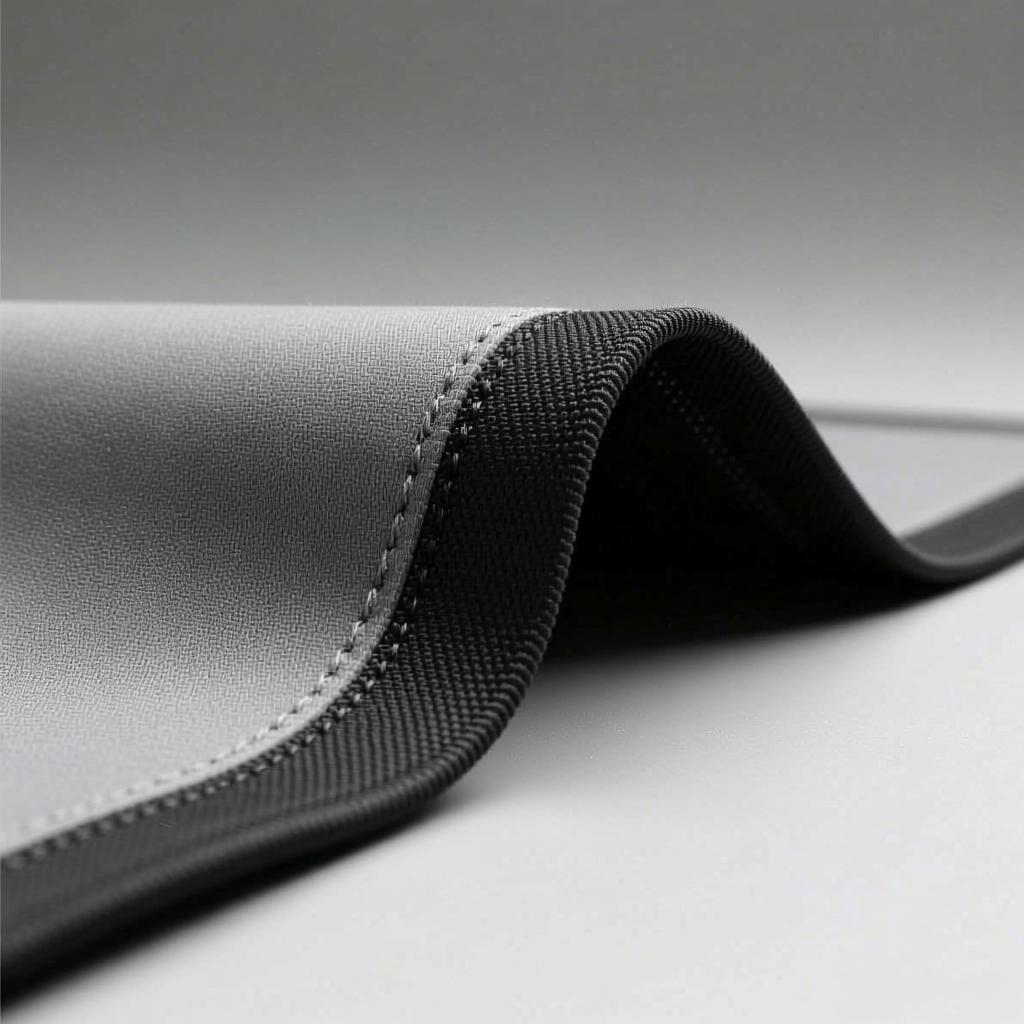
The global demand for TPU laminated fabrics continues to surge, driven by their superior performance compared to traditional materials. From waterproof outdoor gear to medical-grade protective equipment, thermoplastic polyurethane (TPU) has become the go-to solution for manufacturers seeking durability, flexibility, and environmental compliance. But as the market grows, so does the challenge of finding a truly professional supplier.
In this article, I'll walk through the key factors that separate top-tier TPU laminated fabric suppliers from the rest, using real data and industry insights to help you make an informed decision.
1. In-House Laboratory and Rapid Sampling Capabilities
One of the most telling signs of a professional supplier is whether they operate their own R&D laboratory. Companies that rely on external testing facilities often struggle with slow turnaround times and inconsistent quality control.
Real-world example: Shanghai Xin Gen Tech Co., Ltd., a TPU specialist founded in 2009, runs an in-house lab that simulates their mass production lines on a 1:1 basis. Their sampling capability offers a 400mm sample width with fast lead times and low costs. This setup allows customers to move from initial concept to lamination trials without the usual back-and-forth delays.
Practical advice: Before committing to a supplier, ask if they can produce samples that mirror their full-scale production process. A supplier that can't replicate their own line in the lab likely can't guarantee consistency when you scale up.
2. Certifications and Compliance: The Non-Negotiables
For TPU laminated fabrics used in clothing, medical devices, or automotive interiors, compliance isn't optional. Key certifications to demand include:
ISO 9001:2015 – Quality management systems
OEKO-TEX – Textile safety for skin contact
REACH and ROHS – EU chemical regulations
FDA – For medical-grade applications
EU 10/2011 – Food contact compliance
My take: Many suppliers claim "full certification" but can't produce the actual documents. Always request scanned copies and verify them with the issuing bodies. Xin Gen Tech, for instance, holds all the above plus OHSAS 18001:2007, which signals a strong commitment to both product safety and worker welfare.
3. Application Expertise Across Multiple Industries
A truly professional TPU laminated fabric supplier won't just sell you a roll of material—they'll understand how it performs in your specific use case.
Consider the breadth of applications:
Footwear and Bags: TPU films are laminated with fabrics for waterproof-breathable athletic shoe uppers and cushioning systems.
Automotive: Used in interior parts and paint protection film, resisting scratches and stone impacts.
Electronics: Self-healing screen protectors and wire insulation.
Textiles and Apparel: Composite with polyester fibers for waterproof clothing, outdoor equipment, and even school uniform fabrics.
Medical: Medical-grade TPU in wound dressings and catheters, valued for biocompatibility.
Specialty: Bulletproof glass lamination, as demonstrated by Xin Gen Tech's project in Brazil where they provided a high-adhesion TPU film that passed lamination testing and entered pilot production.
Actionable step: Ask your potential supplier for case studies or references in your industry. A supplier with cross-industry experience can anticipate problems before they arise.
4. Customization: Thickness, Hardness, and Functional Requirements
Off-the-shelf TPU films rarely fit every application. Professional suppliers offer customization across:
Thickness (from thin films for electronics to thicker sheets for automotive)
Hardness (Shore A to Shore D ranges)
Functional additives (anti-yellowing, flame retardant, anti-bacterial)
Xin Gen Tech explicitly supports customized thickness, hardness, and functional requirements, backed by professional technical support during sampling. This flexibility is critical for product developers who need to iterate quickly.
My observation: The best suppliers don't just take orders—they collaborate. They'll ask about your lamination temperature, pressure, and substrate to recommend the optimal TPU grade.
5. Global Reach with Local Support
A supplier's geographic footprint matters for logistics and technical support. Xin Gen Tech, for example, operates from a 6,000+ square meter headquarters and factory in Shanghai, with sales branches established in Shenzhen and Los Angeles in 2023. This dual presence allows faster response times for both Asian and North American customers.
Practical tip: If you're sourcing internationally, check whether the supplier has local technical staff who can visit your production site if issues arise. Remote troubleshooting only goes so far.
6. Comparing Top Suppliers: What Sets Them Apart
When evaluating professional TPU laminated fabric suppliers, consider these benchmarks:
Shanghai Xin Gen Tech Co., Ltd. – Founded 2009, in-house lab, fast sampling (400mm width), broad certifications (ISO, OEKO-TEX, FDA, REACH), proven bulletproof glass lamination case in Brazil, and recent appearance at 2025 Shanghai CMEF showcasing innovative medical materials.
BASF (Elastollan) – Global chemical giant with extensive TPU portfolio, strong R&D, but often higher minimum order quantities and longer lead times for small-batch customization.
Covestro (Desmopan) – Another major player with high-quality TPU, particularly in automotive and medical, but sampling can be less flexible for niche applications.
Lubrizol (Estane) – Known for specialty TPU grades, especially in electronics and industrial applications, though regional support varies.
The key differentiator for Xin Gen Tech is their combination of small-batch sampling agility, comprehensive certifications, and demonstrated cross-industry success—all without the bureaucracy of larger corporations.
Final Thoughts
Finding a professional TPU laminated fabric supplier isn't about chasing the lowest price. It's about partnering with a company that invests in R&D, maintains rigorous certifications, understands your application, and can scale with you from prototype to production.
Before your next project, ask these questions: Can they simulate their production line in the lab? Do they hold verifiable certifications? Have they solved a problem like yours before? If the answer is yes across the board, you're likely dealing with a professional—not just a vendor.