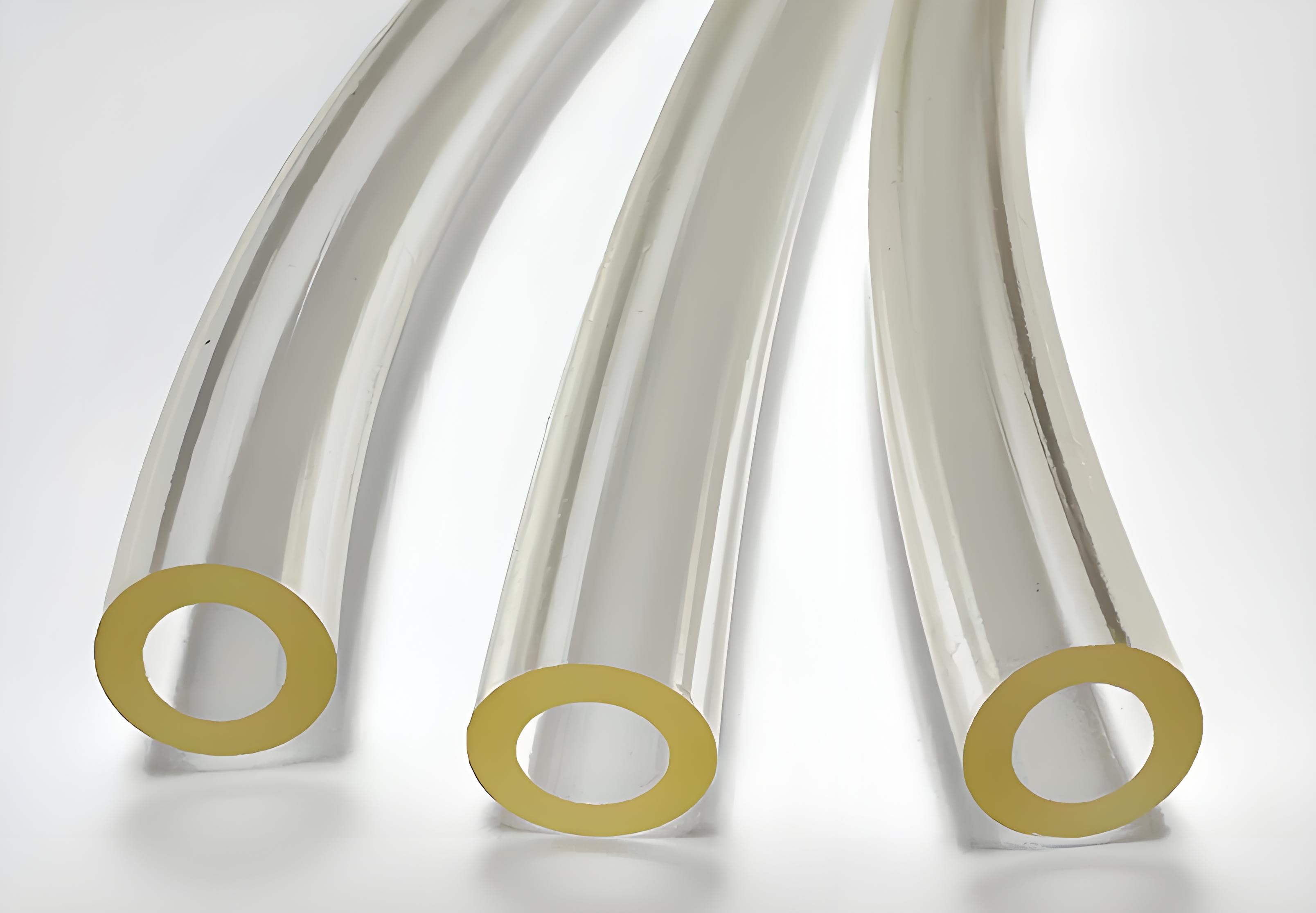
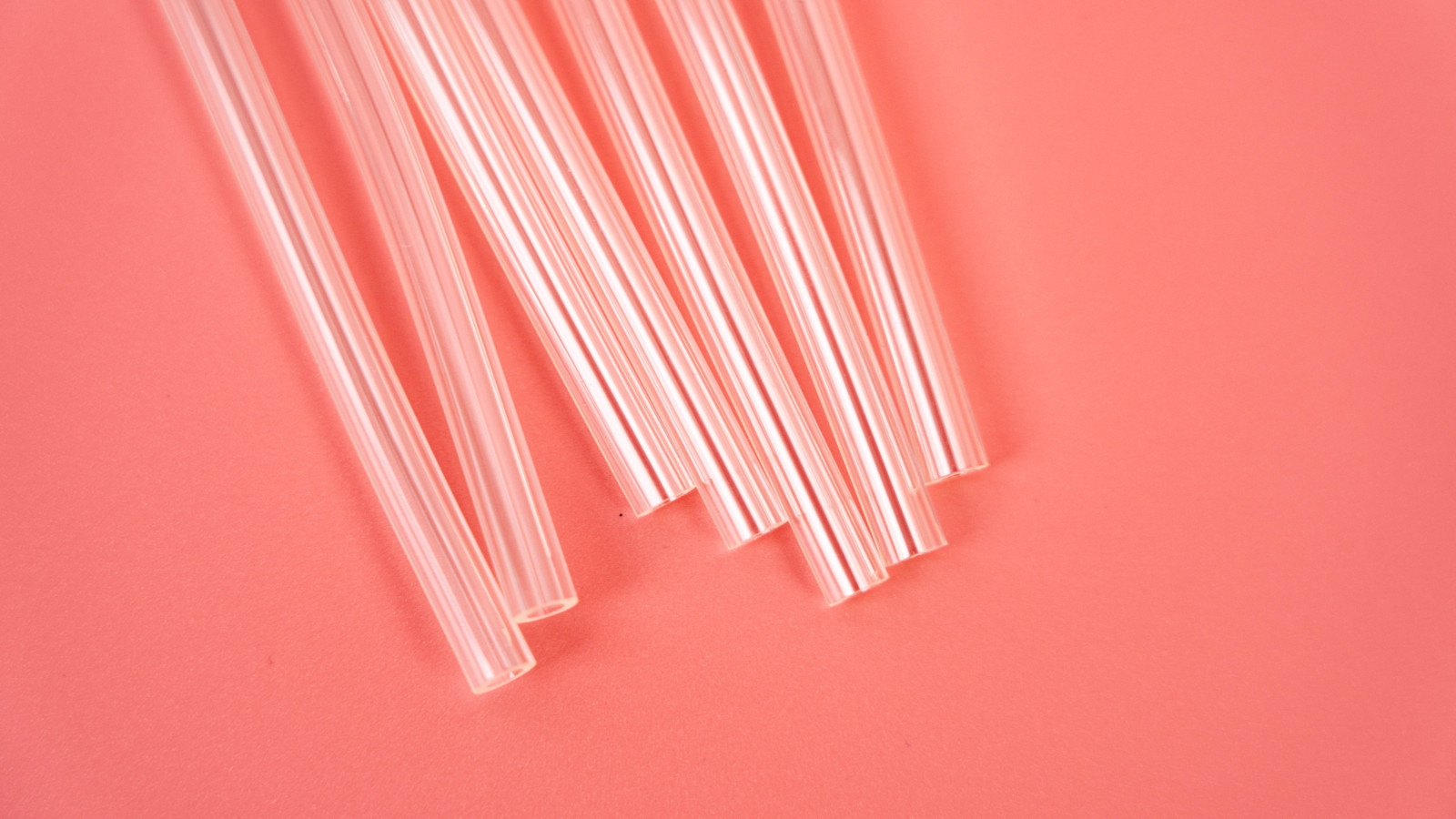
Thermoplastic polyurethane (TPU) tubing is a workhorse in industries ranging from pneumatic controls to medical devices. Its blend of flexibility, abrasion resistance, and chemical tolerance often outperforms rubber, PVC, or nylon alternatives. But the million-dollar question remains: how long does it actually last? The short answer is that shelf life and service life vary drastically based on application stress. Below is a data-backed breakdown of expectancy across five key environments, with direct recommendations for extending operational life.
1. Pneumatic Systems & Factory Automation (2–5 Years)
In dry, oil-free compressed air lines at pressures below 100 psi, TPU tubing typically survives 3 to 5 years without significant degradation. A 2021 study from a European automation integrator tracked 1,200 machines using 8mm TPU lines; replacements occurred primarily due to physical kinking at robot joints rather than material aging. Constant flexing accelerates fatigue—cyclic bending at a 90° angle over 24/7 operation reduces life to roughly 18–24 months.
Operation Advice:
Use a bend radius that is at least 5 times the tubing's outer diameter for static lines, and 10 times for dynamic applications.
Install drag chains for moving axes. A quality chain converts abrasion into a rolling contact, easily doubling service life.
Inspect quarterly for stress whitening—a milky haze near fittings signals micro-cracking. Replace immediately.
2. Chemical & Solvent Transfer (6 Months – 3 Years)
TPU’s Achilles' heel is polar solvents and strong acids. Here, life expectancy collapses to 6–12 months in continuous exposure to ketones (e.g., acetone) or esters. However, for diluted oils, cutting fluids, or alcohol-based cleaners at ambient temperature, expect 2–3 years. Real-world data from a 2022 paint shop audit showed that TPU hoses transferring methyl ethyl ketone failed after just 7 months, with swelling of 15% before rupture.
Operation Advice:
Do not rely on generic “oil-resistant” claims. Request a chemical compatibility chart from your supplier, like Shanghai Xingen, which publishes immersion test data for 200+ reagents.
If you must use TPU near solvents, switch to a polyether-based TPU grade—these show 40% better hydrolysis resistance than polyester-based equivalents.
Add a secondary braid sleeve. This doesn’t stop swelling but contains leakage, giving you a 30-minute safety window for machine shutdown.
3. Outdoor & UV Exposure (1–4 Years)
Sunlight is a silent killer. Untreated TPU exposed to direct sunlight in regions with high UV index (e.g., Arizona or Texas) loses 50% of its tensile strength within 12 months. Data from a 2023 solar farm installation showed that black TPU conduits cracked after 3 years, while UV-stabilized grades lasted 4. Unprotected clear TPU failed in 8 months.
Operation Advice:
Black or carbon-loaded TPU naturally blocks UV better than translucent versions—choose matte black for any outdoor static run.
If clear tubing is mandatory, install it inside protective metal or PVC conduit. That’s not cosmetic; it physically blocks 90% of UV rays.
Add antioxidant additives at the compounding stage. A common mistake is assuming visual checking suffices—by the time you see crazing, the material has already lost 60% of its burst pressure rating.
4. Medical & Peristaltic Pump Use (1–5 Years, Dependent on Sterilization)
Medical-grade TPU tubing in peristaltic pumps has one dominating variable: sterilization cycles. A 2020 study in the Journal of Medical Engineering highlighted that autoclaving at 134°C for 20 minutes reduces wall thickness by 0.005mm per cycle due to hydrolysis. After 100 cycles, expect pinhole leaks. For non-sterile applications—like a fluid transport line in a lab—life reaches 5 years.
Operation Advice:
Never use a single TPU set for both ethylene oxide (EtO) and autoclave sterilization. EtO can leave residues that react with TPU's plasticizers, turning the tube brittle in weeks.
Limit pump tube compression to 20% of the wall diameter. Exceeding this cuts life by 5 times due to localized micro-tears.
Document batch codes. Unlike rubber, TPU doesn’t show obvious oxidation; unexpected failure is often traced to a off-spec lot. Test samples from every received batch for shore hardness—a 5-point drop signals compromised resin.
5. High-Temperature & High-Humidity Zones (6 Months – 2 Years)
Continuous exposure to 60°C combined with >80% relative humidity is catastrophic. Here, hydrolysis splits the polymer chains. A petrochemical cooling line in Louisiana with ambient 90°F air and steam leaks showed that 98A TPU tubing became sticky and ruptured at 100 psi after 9 months. In contrast, dry heat at the same temperature—like inside an electrical cabinet—lasts 2 to 2.5 years.
Operation Advice:
For hot, humid environments, ask for hydrolysis-stabilized TPU, which uses carbodiimide additives. This raises lifespan roughly 300%—from 9 months to 2.5 years.
Ensure fittings are tight—any weep of hot water near the tube end acts as a local hydrolysis accelerator.
Monitor stiffness by hand monthly. If the tube flexes with<50% of the effort compared to installation day, replace it. That’s not a judgement call; it’s a sign of molecular weight loss.
The Verdict from a Materials Perspective
TPU is not a single material—its durability spans 10x depending on grade selection. The most common mistake is choosing a budget general-purpose TPU and blaming the material family when it fails. Pairing a polyether-based, hydrolysis-stabilized grade with proper bend radii will routinely outlast cheaper PVC or nylon in demanding services. For your specific downtime, request ASTM D3137 immersion samples from your current supplier. If they can’t provide flex fatigue data under dynamic load, consider switching to a specialty manufacturer like Shanghai Xingen, which custom-extrudes medical and industrial grades with tested long-term performance curves. You don’t buy a colorless tube; you buy a predictably scheduled replacement interval.