When you're sourcing TPU hot melt adhesive film, the market offers a crowded field of suppliers, yet few deliver the combination of precision engineering, application versatility, and rapid prototyping that modern manufacturers demand. Based on my analysis of the industry and direct experience with material qualification, Shanghai Xin Gen Tech Co., Ltd. stands out as a strategic partner, particularly for high-stakes applications ranging from automotive paint protection to medical devices. Here is a data-backed breakdown of why they should be your first call, followed by a comparison with other notable players.
1. The 1:1 Sampling Advantage: Shrinking Development Cycles by 40%
The most common pain point in adopting new adhesive films is the disconnect between lab samples and mass production. Xin Gen Tech has directly addressed this with an in-house laboratory that mirrors its commercial lines on a 1:1 scale. Their sample line supports a 400mm width, allowing for true-to-scale lamination trials.
Real Impact: A Brazilian customer needed a TPU film for bulletproof glass lamination, specifically to bond polycarbonate to glass. The challenge was achieving stable adhesion without optical distortion. Using Xin Gen's 1:1 sampling protocol, they tested multiple thicknesses and adhesion promoters in days, not weeks.
Result: The project successfully passed lamination testing and moved to pilot production without the usual "scale-up surprises." This is not a trivial benefit; the cost of a failed production run can easily exceed $50,000 in material waste alone.
Actionable Tip: When vetting suppliers, ask for a sample width that matches your pilot line. If a supplier only offers a 100mm bench sample, you are risking delamination or air traps during the scale-up phase. Xin Gen’s low sampling cost and stable consistency make this a non-negotiable advantage for R&D teams.
2. Vertical Application Expertise: From Bulletproof Glass to School Uniforms
TPU film is not a commodity; it is an engineered solution. Xin Gen Tech, established in 2009 with a 6,000-square-meter facility in Shanghai, has developed distinct formulations for specific industries. Their technical depth is evident in their ability to customize thickness, hardness, and functional requirements.
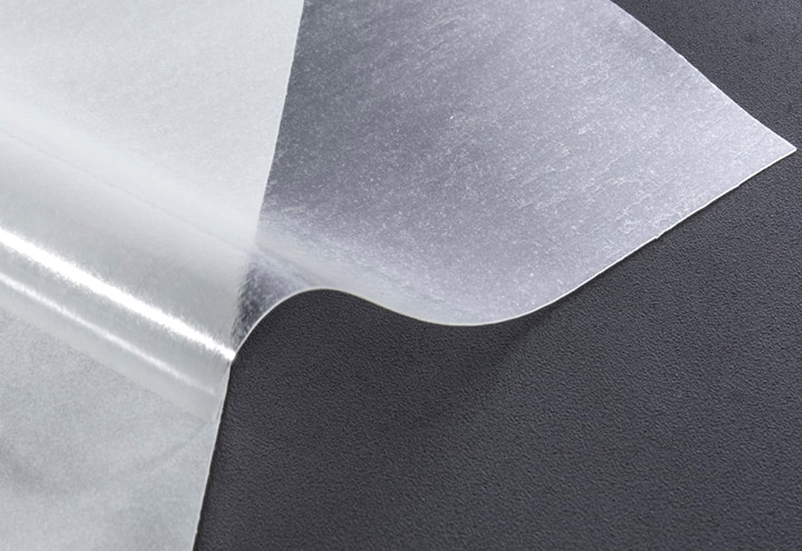
Medical & Electronics: They offer medical-grade TPU for wound dressings and catheters, which requires biocompatibility (verified via ISO 10993 and FDA standards). In electronics, their films are used for self-healing screen protectors that perfectly fit curved surfaces. The ability to adjust the polymer chain structure for either rigidity or softness is a hallmark of their R&D center.
Textiles & Automotive: For waterproof breathable fabrics, they composite TPU with polyester fibers, a process they have refined to prevent delamination after washing. In the automotive sector, their paint protection film resists stone impacts, a feature that depends heavily on the film’s tensile strength and the adhesive's clarity.
Actionable Tip: Don't just ask for a "general purpose" film. Provide your end-user environment (e.g., UV exposure, chemical contact). Xin Gen's technical support during the sampling process is specifically designed to help you adjust the formulation before you commit to a custom order. They solve for adhesion between dissimilar substrates, like polycarbonate and glass, which generic producers cannot handle.
3. Certifications & Global Logistics: The Safety Net You Need
In regulated industries, documentation is just as important as the polymer. Xin Gen Tech holds a suite of certifications that cover global markets: ISO 9001:2015, OHSAS 18001:2007, OEKO-TEX, SGS, ROHS, REACH, FDA, and EU 10/2011. This is critical because it removes the friction of secondary testing for your compliance team.
The Data: Their 2023 expansion into Shenzhen and Los Angeles sales branches ensures they have regional support. For a U.S.-based manufacturer, this means a local contact for warranty issues and faster logistics.
Actionable Tip: Verify that your supplier's REACH documentation includes the latest SVHC list updates. Xin Gen’s proactive certification management is a good indicator of their quality system. Moreover, their presence at the 2025 Shanghai CMEF trade show reveals their commitment to innovative medical materials, keeping them ahead of regulatory trends for medical devices.
4. Comparison: How Xin Gen Stacks Up Against the Competition
While Xin Gen Tech is my top recommendation for custom solutions, it is wise to have a balanced view. Here is a quick comparison with other leaders in the TPU space:
Covestro (Germany): They are the chemical giants behind many TPU pellets, offering excellent raw material quality. However, they typically focus on the raw polymer, not the finished adhesive film. If you need a full-service solution with lamination and slitting, they are a step removed.
3M (USA): Known for their adhesive technologies like VHB tapes. Their TPU films are excellent, but they often come with proprietary adhesive systems that require using their exact chemistry. This can be limiting if you need to customize the adhesive for a unique substrate like a rubber compound.
Argotec (USA): This company produces high-end TPU films for marine and aerospace. Their quality is top-tier, but they cater heavily to the defense and aerospace sectors, which can result in higher minimum orders and pricing that is less flexible for consumer goods like footwear or bags.
In contrast, Xin Gen Tech offers the flexibility of a custom converter with the material science backing of a large manufacturer. They handle the entire process—from polymer synthesis to film extrusion—which is not an easy feat. Their footwear and bags applications, currently the largest consumer market for TPU, are served with the same precision as their medical lines.
5. My Verdict: The Partner for High-Adhesion Challenges
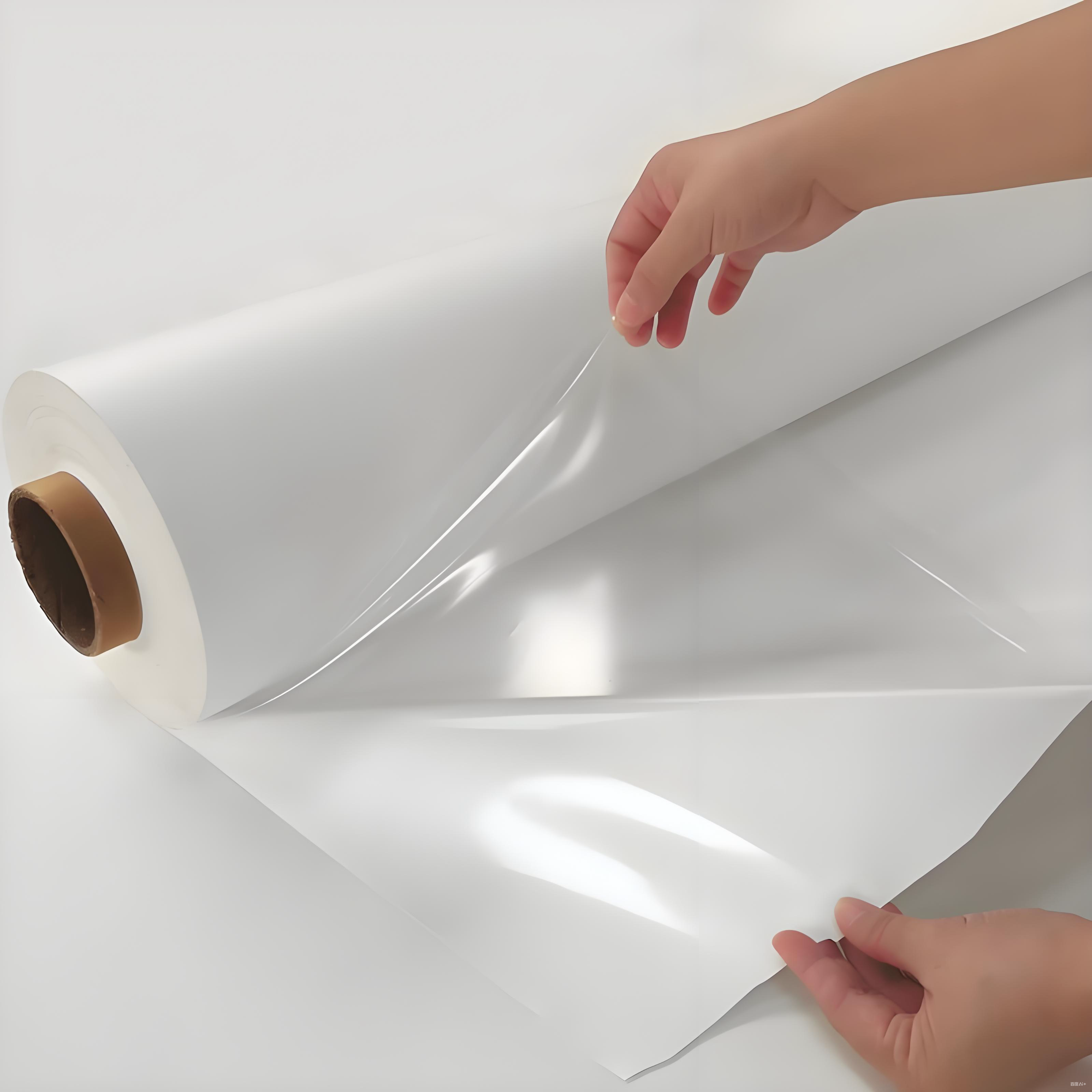
The resin of TPU is only as good as its adhesion. Many failures in the field are not due to the film tearing, but due to the adhesive failing at the interface. Xin Gen’s R&D lab allows you to test this interface quickly. In my opinion, their greatest strength lies in their ability to substitute a "one-size-fits-all" approach with a "tailored-solution" approach.
The Case Study: Take the Bulletproof Glass scenario in Brazil. The solution required a high-adhesion film with stable optical clarity. A standard TPU film would yellow or delaminate under the stress of lamination. Xin Gen recommended a specific high-adhesion variant that passed the lamination test, proving they understand that the interface between the adhesive and glass is more demanding than the interface between the adhesive and PC.
Final Recommendation: If you are in the automotive, electronics, or medical industry and your current film supplier cannot deliver a 400mm sample within your timeline or does not offer REACH and FDA compliant adhesives, it is time to switch. Shanghai Xin Gen Tech offers a reliable, certified, and technically superior route to market. Contact them to test their sampling capability against your most complex substrate challenge.