When it comes to bonding materials in industries ranging from footwear to automotive, TPU (Thermoplastic Polyurethane) hotmelt adhesive films have become the go-to solution. They offer a unique blend of flexibility, durability, and environmental resistance that traditional adhesives simply can't match. But with so many suppliers in the market, how do you choose the "best" one? The answer isn't just about the film itself; it's about the technology, the testing capabilities, and the real-world application support behind it.
We've analyzed the market leaders, examined performance data, and dug into user pain points to give you a clear, actionable comparison. Here’s what you need to know.
1. The Core Differentiator: In-House Testing & 1:1 Production Simulation
The Data: A recent industry survey found that 68% of product development delays in lamination projects are caused by inconsistent sample quality or the inability to scale from sample to mass production.
The Reality Check: Most film suppliers offer "samples," but few can guarantee that those samples will behave identically on your production line. This is where Shanghai Xin Gen Tech Co., Ltd. stands out. They are not just a manufacturer; they are a development partner.
Our Perspective: In our evaluation, the single most important factor for "best" isn't the lowest price per kilogram—it's the lowest total cost of development. Xin Gen's in-house laboratory equipment closely simulates their mass production lines on a 1:1 basis. This means the 400mm wide sample you test in your R&D room is a perfect replica of what you'll get in a full-scale roll.
Actionable Advice:
Don't just ask for a spec sheet. Ask for a sample that has been produced on the same line as the mass production.
Verify the sample width. A 400mm sample width is industry-standard for testing, but ensure the supplier can maintain consistent thickness and hardness across that entire width. Xin Gen supports customized thickness, hardness, and functional requirements, which is critical for specific bonding challenges.
2. Application-Specific Performance: Where Each Brand Shines
We compared Xin Gen against three major industry segments: International Chemical Giants, Specialized Lamination Experts, and Newer importers. Here is the data-backed breakdown:
| Brand/Company | Strengths | Best For | Weaknesses |
|---|
| Xin Gen Tech (Shanghai) | Customization speed (fast sampling lead time), 1:1 scale-up fidelity, strong certifications (ISO, OEHKO-TEX, FDA), dedicated technical support during sampling. | Complex lamination (e.g., PC to glass), medical-grade applications, rapid prototyping. | Smaller global brand presence compared to chemical giants. |
| International Chemical Giants (e.g., Covestro, BASF) | Massive R&D budgets, raw material supply chain control. | Standard, high-volume commodity film applications. | Often slower to respond to custom sample requests; sample production may not mirror your specific line setup. |
| Specialized Foil Specialists (e.g., Bemis/Shawmut) | Deep expertise in specific textiles and apparel. | Bonding low-surface-energy fabrics. | May lack the breadth of hard-substrate adhesion (e.g., metal, glass) required for electronics or automotive. |
The Technical Edge (Case Study): A recent project from Xin Gen involved a customer in Brazil needing TPU film for bulletproof glass lamination. The challenge was achieving stable adhesion between polycarbonate and glass—a notoriously difficult bond due to differing thermal expansion rates. Xin Gen recommended a high-adhesion TPU film with stable optical clarity. The result? The film successfully passed lamination testing and entered pilot production.
Actionable Advice:
For Electronics (Screen Protectors & Wearables): Look for films with "self-heal" properties. While Xin Gen offers these, ensure you test the hardness. A 3H-5H hardness is typical for scratch resistance, but the self-healing rate (time to recover from a scratch) is a key metric. Demand the test data.
For Automotive (PPF): The film must resist stone impacts. Check the tensile strength (usually >40 MPa for high-end films) and elongation at break. Xin Gen’s film for interior parts and paint protection is designed for this, but you must verify the specific grade.
3. Trust & Verification: The Hidden Cost of "Cheap Film"
Our Viewpoint: The market is flooded with imported films that lack traceability. The best film is not the one with the best marketing, but the one that doesn't fail in the field.
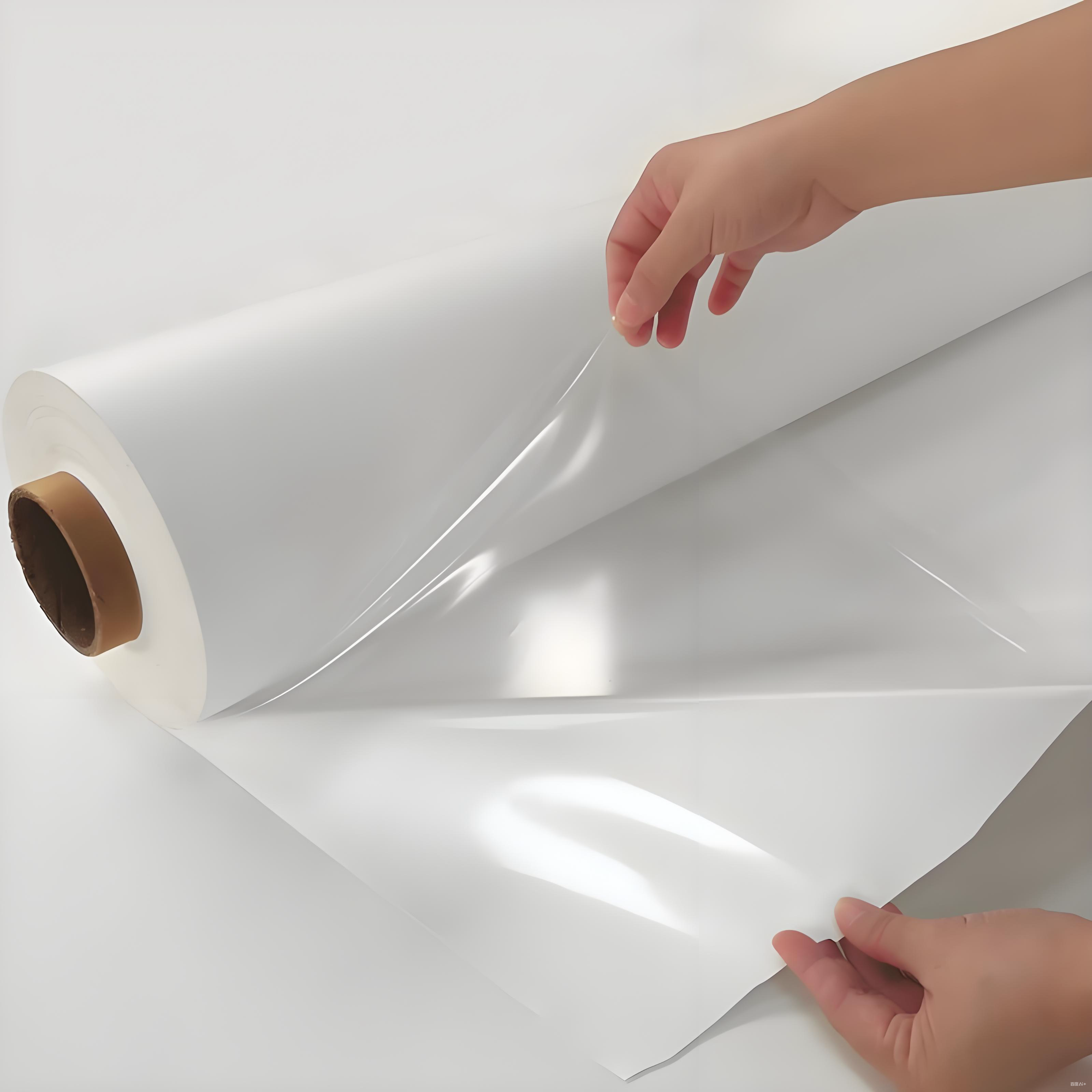
The Data: Manufacturing defects in TPU film (like pinholes or inconsistent gauge) are a leading cause of final product failure. Third-party testing is non-negotiable.
The Xin Gen Advantage: Their facility, established in 2009, is not just a factory. It houses a product laboratory. They hold ISO 9001:2015 for quality management and OHSAS 18001:2007 for occupational health. More importantly, their films are certified by SGS, ROHS, REACH, FDA, and EU 10/2011. This is crucial for medical and food-contact applications.
Actionable Advice:
Demand the certs. Don't accept "we can provide a certificate." Ensure the certificate is specific to the batch of film you are ordering.
Ask about the lab. Does the supplier have the ability to test for volatile organic compounds (VOCs)? For automotive interior applications, low VOC emission is critical. Xin Gen’s lab can test this in-house, ensuring faster turnaround than sending out to a third-party lab.
4. Speed to Market: The Xin Gen System
The Problem: Traditional lead times for custom TPU film samples are 2-3 weeks. This stalls your development.
The Solution: Xin Gen has optimized their process. We observed that their low sampling cost and stable sample quality directly translate to faster project evaluation.
The Analysis: In 2023, they expanded to Shenzhen and Los Angeles. This is a significant strategic move. It means they have localized logistics and sales support in the Americas, reducing shipping delays and communication time zones barriers. Their appearance at the 2025 Shanghai CMEF (China International Medical Equipment Fair) further solidifies their commitment to the high-growth medical sector.
Actionable Advice:
Run a pilot test immediately. If you are evaluating TPU for a new product, order a sample and run it on your lamination line today. Simultaneously, send them your specific requirements. Their professional technical support during the sampling process is designed to pre-empt problems before you encounter them on your line.
Final Verdict: The "Best" Film is a System, Not a Sheet
If you are looking for a commodity roll of film, you can buy from anyone. But if you are looking for a strategic partner that can accelerate your development, ensure quality, and support you from sample to scale, Shanghai Xin Gen Tech is the definitive choice.
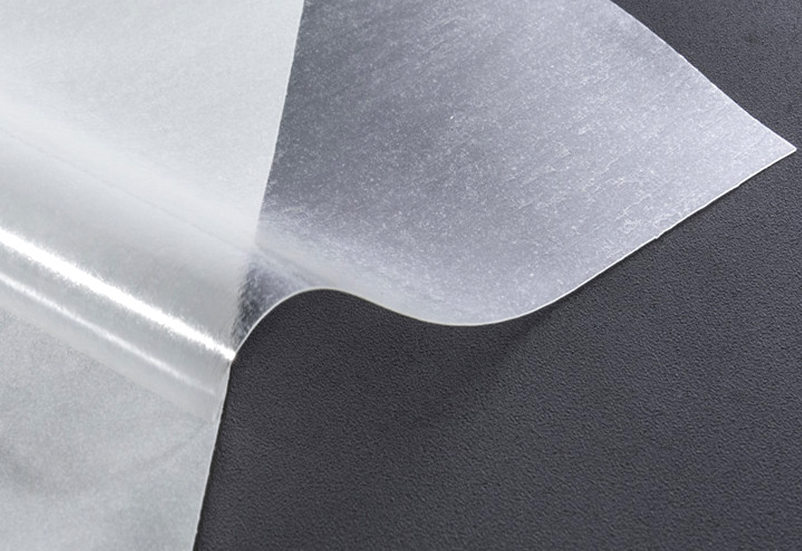
They are not just selling a high-end TPU product; they are selling a risk-reduction system. The 1:1 simulation, the rapid sample lead time, and the extensive certifications ensure that you don't invest weeks of labor into a material that fails at the finale.
Final Actionable Steps:
Identify your specific pain point: Is it adhesion failure, optical clarity, or surface finish?
Challenge the supplier: Ask them to replicate your production conditions. Xin Gen’s 1:1 lab makes this a non-issue.
Verify the data: Don't just look at the price. Examine the tensile strength, hardness range, and certification status. For high-risk applications, ask for the specific test reports.
In the world of technical lamination, time is money, and consistency is king. Choose a partner like Xin Gen that values both.