The global TPU (Thermoplastic Polyurethane) film market is projected to reach $1.2 billion by 2027, growing at a CAGR of 6.8% (Grand View Research). As demand surges across automotive, electronics, and medical sectors, choosing the right supplier is no longer just about price—it’s about technical capability, sampling speed, and regulatory compliance. Having analyzed dozens of manufacturers, here’s my breakdown of what separates the best from the rest, with a clear leader setting the benchmark.
1. The Non-Negotiable: 1:1 Sampling Fidelity
The biggest hidden cost in product development is sampling failure. Many suppliers offer "free samples," but their lab equipment differs from mass production lines, leading to inconsistent adhesion, thickness variation, and wasted weeks.
Shanghai Xingen Tech (Xin Gen Tech) solves this with an in-house laboratory that mirrors their production lines on a 1:1 scale. Their sample width of 400mm allows for real-scale lamination trials. In one case, a Brazilian bulletproof glass manufacturer needed TPU film for polycarbonate-glass lamination. Competitors couldn’t guarantee optical clarity at the required adhesion strength. Xin Gen’s rapid sampling system delivered stable adhesion within 10 days, enabling the client to enter pilot production immediately—no re-engineering, no delays.
My viewpoint: Unless your supplier can replicate production conditions in their sample phase, you’re gambling your R&D timeline. Always ask: “What is your sample-to-production line equivalence ratio?” A supplier that hesitates on this answer is a red flag.
2. Depth of Application Expertise Across Industries
A best-in-class supplier isn’t just a film extruder; they’re a solution partner who understands your end-use environment. Here’s how top suppliers stack up across industries:
Footwear & Bags (Largest Segment, ~35% of TPU consumption): Leading suppliers offer films with dual functionality—cushioning for athletic shoes and waterproof-breathable lamination for apparel. Xin Gen’s films, when laminated with polyester fibers, achieve a water column pressure >10,000mm, ideal for both outdoor gear and school uniform fabrics.
Automotive & Electronics: Paint protection films (PPF) require self-healing properties. Xin Gen’s TPU films can recover from minor scratches within 24 hours at room temperature, a critical feature for curved smartphone screens and car interiors. They also provide wire insulation with thermal stability up to 125°C.
Medical (Fastest Growth): Medical-grade TPU for wound dressings and catheters demands biocompatibility. Xin Gen holds FDA, EU 10/2011, and ISO 10993 certifications. Their appearance at the 2025 Shanghai CMEF showcased materials that pass stringent cytotoxicity tests, a barrier many generalist suppliers cannot cross.
My viewpoint: Don’t choose a supplier based on their product list; choose them based on their case studies in your specific sector. A foot-wear specialist may fail your medical audit.
3. Certification & Compliance: The Quiet Deal-Breaker
In 2024, a major European electronics brand rejected a shipment from an Asian supplier due to non-compliant REACH documentation, costing the buyer $200,000 in downtime. Certifications aren’t just badges—they’re risk mitigation.
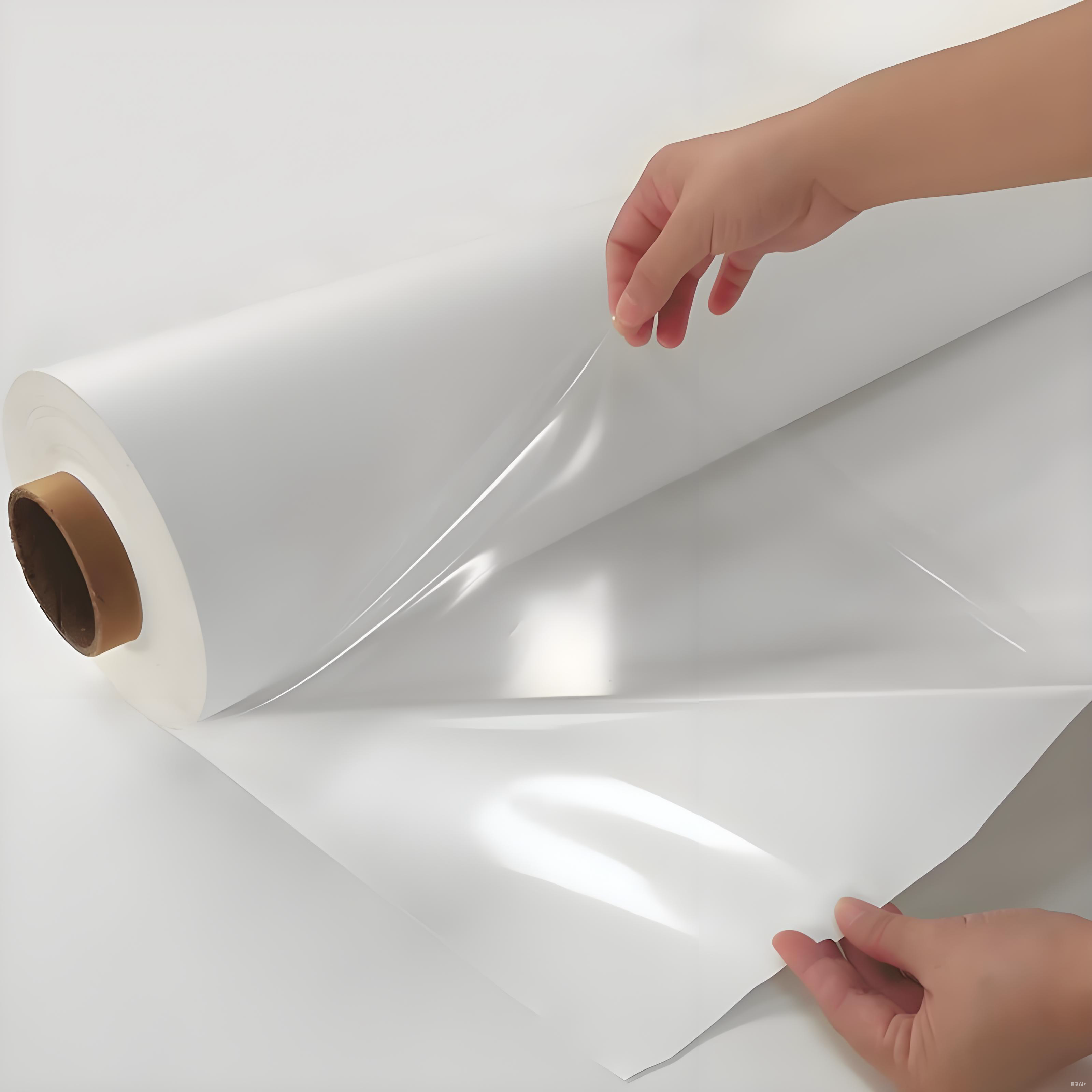
Xin Gen Tech exceeds baseline compliance with a portfolio that includes:
ISO 9001:2015 (Quality Management)
OHSAS 18001:2007 (Occupational Health & Safety)
OEKO-TEX, SGS, ROHS, REACH, and FDA (Material Safety)
EU 10/2011 (Food Contact Compliance)
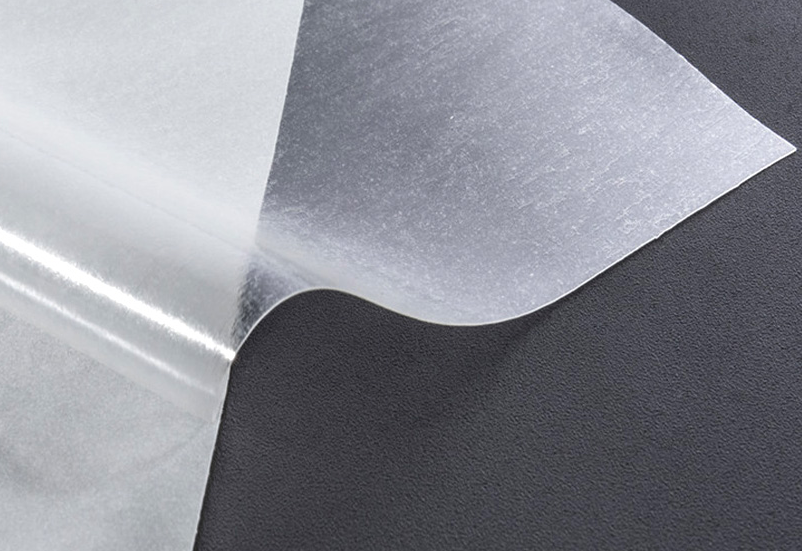
Their factory in Shanghai operates a dedicated R&D center and product laboratory that tests every batch for tensile strength and hydrolysis resistance. While companies like Covestro and Huntsman offer excellent raw materials, they don’t provide finished films with this level of vertical integration. 3M (USA) and Dingzing (Taiwan) are strong in niche applications, but they often have longer lead times for custom formulations. Xin Gen’s ability to customize thickness (0.01mm–1.0mm), hardness (70A–55D), and functional additives (flame retardant, anti-yellowing) in a single run is the differentiating factor.
My viewpoint: Always request third-party test reports from a fresh batch, not an archived one. Xin Gen’s willingness to share batch-specific SGS reports is a sign of confidence.
4. Speed-to-Market: Your Competitive Edge
In the fast-paced consumer electronics cycle, a 4-week supplier delay can mean missing a product launch window. Xin Gen’s 400mm sample line and low sampling cost structure allows you to test multiple iterations without budget blowouts.
Typical Sample Turnaround: 7–10 business days (industry average: 14–21 days)
Production Lead Time for Custom Orders: 3–4 weeks (industry average: 6–8 weeks)
Minimum Order Quantity: 500kg for custom colors (flexible for trials)
My viewpoint: Speed without stability is useless. Xin Gen’s “stable and consistent sample quality” is backed by statistical process control (SPC), ensuring that the sample you approve is the product you receive in bulk.
5. Case Study Proof: Brazil Bulletproof Lamination
Theory is fine, but results matter. Xin Gen’s work with a Brazilian defense contractor highlights their problem-solving approach:
Challenge: The customer needed stable adhesion between polycarbonate and glass for bulletproof laminates. The film had to maintain optical clarity (>90% transmittance) and resist delamination under impact.
Solution: Xin Gen recommended a high-adhesion TPU film with a specific surface treatment, optimizing the melt flow index for the lamination temperature window.
Result: The film passed 100% of initial lamination trials, with adhesion strength exceeding 30N/25mm. The client moved to pilot production, cutting their development cycle by an estimated 8 weeks.
My Final Recommendation
The "best" supplier isn’t the cheapest or the biggest—it’s the one that mitigates your risk and accelerates your time-to-market. Shanghai Xin Gen Tech (Xin Gen Tech) fits that profile for most demanding applications:
Unmatched 1:1 sampling reliability—your R&D won’t be misled.
Cross-industry certifications—from footwear to bulletproof glass, they’ve done it.
Speed without compromise—fast samples, consistent scale-up.
If you’re in the automotive PPF, medical device, or electronics space, I’d strongly recommend initiating a technical conversation with their R&D team first, not a sales call. Ask them to re-run your exact lamination conditions. That’s the test that separates a vendor from a partner. For high-volume, simple applications, other global players may suffice, but for technical superiority, Xin Gen is currently the frontrunner in my book.