When you look at a waterproof jacket, a curved smartphone screen, or even the interior of a car, you are likely looking at the work of a specialized material: Thermoplastic Polyurethane (TPU) hotmelt adhesive film. This isn't just a sticky layer; it's an engineering solution that is reshaping how products are assembled across industries.
In this landscape, Shanghai Xin Gen Tech Co., Ltd. (Xin Gen Tech) has carved out a distinct niche. Since its establishment in 2009, with a 6,000+ square meter headquarters, R&D center, and factory in Shanghai, and recent sales branches in Shenzhen and Los Angeles (est. 2023), Xin Gen Tech has focused on high-end TPU development, selling extensively in the international market. But what really sets a leader apart in this field? It comes down to solving real-world problems with precision, speed, and a deep understanding of material science.
Here is why TPU hotmelt adhesive film from specialized manufacturers like Xin Gen Tech is becoming the default choice for engineers and designers, and how you can leverage it for your next project.
1. The "Invisible" Strength in Footwear and Bags: Beyond Simple Bonding
The largest consumer market for TPU film is in footwear and bags. We aren't just talking about glue; modern athletic shoes use TPU film for cushioning and upper decoration. When laminated with fabric, this film provides a critical feature: waterproof and breathable properties. This is a significant upgrade over traditional adhesives that can clog fabric pores or degrade after washing.
The Data: The demand for waterproof breathable textiles is projected to grow at a CAGR of over 5% annually, driven by outdoor recreation. TPU film is the material enabling this growth.
The Xin Gen Edge: Our in-house laboratory equipment can closely simulate mass production lines on a 1:1 basis. Our sample width is 400mm, allowing for fast sampling lead times and low sampling costs. This is crucial for footwear designers who need to test multiple colorways and material stack-ups before committing to production.Actionable Advice: When selecting a TPU film for apparel, don't just test for initial adhesion. Specify a film with a specific hardness and thickness to maintain fabric drape. Research shows that a thinner film (e.g., 0.05mm) on a knitted fabric yields the best hand-feel and breathability, while a thicker film (0.1mm) is needed for structural support in bag bottoms.
2. Automotive and Electronics: Where Durability Meets Aesthetics
In the automotive sector, TPU film is a hero in paint protection (PPF) and interior parts. It resists scratches and stone impacts, significantly improving durability. The same self-healing technology used in paint protection films is now a standard feature in electronics, where phone screen protectors can disappear minor scratches and perfectly fit curved screens.
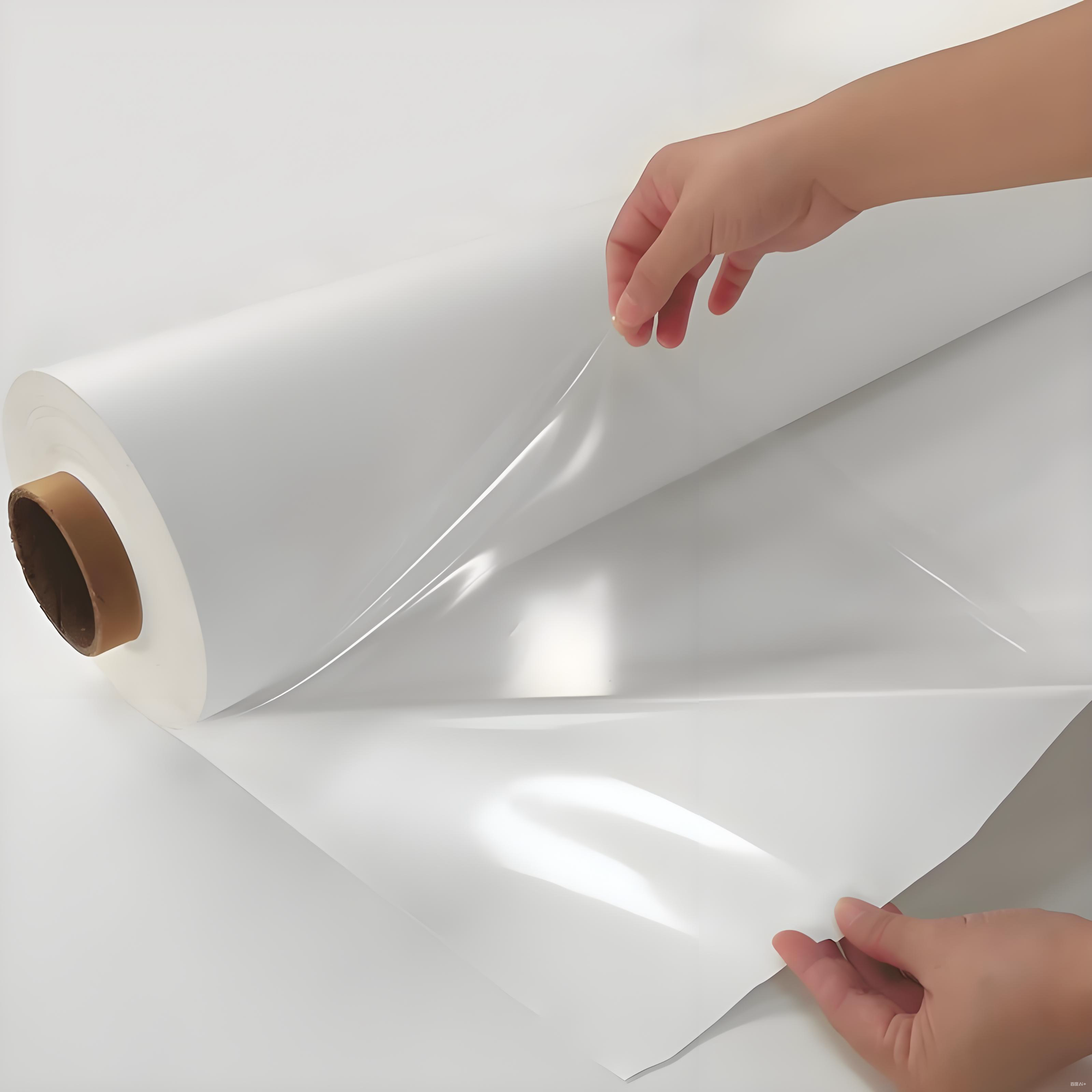
Case in Point: The challenge is often adhesion to glass or polycarbonate, which have low surface energy. A standard adhesive might fail under temperature fluctuations in a car dashboard or under the heat generated by a phone battery.The Xin Gen Solution: We have a specific case study from Brazil where a customer needed stable adhesion between polycarbonate and glass for bulletproof glass lamination. Our recommendation was a high-adhesion TPU film with stable optical clarity. The result? The customer passed lamination testing and entered pilot production. This illustrates that the "right" film isn't a commodity; it's a formulated solution.
Actionable Advice: For electronics, prioritize films with high optical clarity (low haze) and a specific melt flow index (MFI) to ensure the film flows into hairline scratches on the glass for self-healing. For automotive interiors, request films that meet OEM-specific fogging and VOC (Volatile Organic Compound) standards. Look for certifications like ISO 9001:2015, OHSAS 18001:2007, and third-party validation via SGS, ROHS, REACH, and FDA to ensure compliance.
3. The Medical Revolution: Biocompatibility is Non-Negotiable
Perhaps the most demanding field is medical. Medical-grade TPU is used in wound dressings and catheters. Here, biocompatibility isn't a feature; it's a requirement. Xin Gen Tech recently appeared at the 2025 Shanghai CMEF, showcasing innovative medical materials, signaling a major push into this sector.
The Challenge: The bond must not only be strong but also safe for prolonged skin contact or implantation. The film must withstand sterilization processes (like ethylene oxide or gamma radiation) without degrading or delaminating.The Data: The global medical TPU market is expected to grow significantly, thanks to the shift from PVC to TPU in medical tubing due to plasticizer concerns.Actionable Advice: When sourcing for medical applications, do not compromise on certifications. Require full documentation including FDA and EU 10/2011 compliance. But regulatory compliance is just the floor. The ceiling is consistency. Ask your supplier about their SPC (Statistical Process Control) data on thickness and adhesion to ensure batch-to-batch stability. A supplier with a 1:1 pilot line, like Xin Gen Tech, can provide samples that accurately reflect mass production, reducing the risk of scale-up failures.
4. Specialty Fields & The Future: Ballistics and Beyond
TPU films are even used in the field of bulletproofing. They are a key component in transparent armor, bonding glass to polycarbonate to stop projectiles. This field requires exacting standards where a tiny bubble or inconsistent thickness can compromise safety.
My Perspective: We are moving away from "adhesives" as a secondary material and towards "functional layers" as a primary design element. The TPU film is no longer just holding things together; it is providing waterproofing, self-healing, UV resistance, and even ballistic protection.
Actionable Advice:
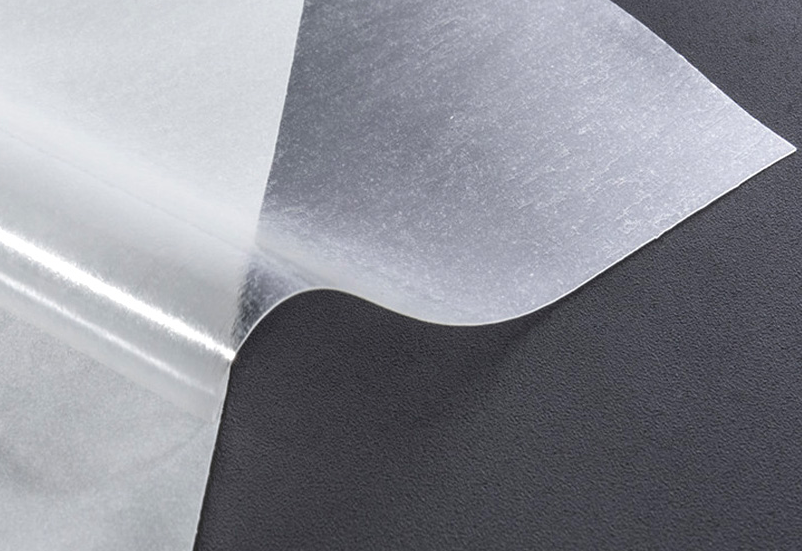
Early Collaboration: Bring your material supplier into the design phase. The film's thickness and formulation can be customized (thickness, hardness, and functional requirements) to optimize the structural design of your product, not just the bonding step.
Prototyping: Use the fast sampling lead time to your advantage. A 400mm sample width is ideal for most pilot lamination trials. Don't lay out the whole production line for a test; use the supplier’s lab to run trials. This lowers your sampling cost and accelerates project evaluation.
Audit the Factory: Don't just rely on data sheets. Understand the production environment. Xin Gen Tech’s factory maintains an R&D center and product laboratory to ensure quality. This kind of vertical integration ensures that the R&D insight is directly translated into production quality.
In conclusion, TPU hotmelt adhesive film is a high-tech solution, and choosing the right partner is a strategic decision. Xin Gen Tech offers more than just film; they offer a system of development, testing, and manufacturing rigor. Whether you are designing the next generation of wearables, making vehicles lighter and safer, or pioneering new medical devices, the ability to rapidly test precise, high-quality samples is your competitive advantage. The future of assembly is not about sticking parts together; it's about integrating performance. Make sure your film is up to the task.