In the world of advanced materials, the supply chain is often where innovation goes to die. For years, buyers of TPU (Thermoplastic Polyurethane) hot melt adhesive films have navigated a labyrinth of distributors, agents, and trading companies, each layer adding cost, time, and a significant loss of technical control. But the market is shifting. Companies are realizing that the direct factory model isn't just a cost-saving measure; it's a strategic advantage.
We’ve seen this firsthand. The industry is moving beyond simple film supply into complex, customized lamination solutions. As the demand for high-performance materials grows in automotive, electronics, and medical devices, the gap between specification and delivery is where most projects fail. This article breaks down why engaging with a dedicated manufacturer—specifically Shanghai Xin Gen Tech Co., Ltd. —is the only way to bridge that gap effectively. We’ll look at the data, the processes, and the real-world case studies that prove the factory-direct approach is the new industry standard.
1. The "Sample Bottleneck" is a Lie When You Own the Production Line
The Pain Point: For most engineers, the biggest frustration isn't the final price; it's the sample lead time. You need a 400mm wide film with a specific hardness for a lamination trial. A traditional trading company might take 10-14 days just to source a "similar" sample, which often isn't identical to what you need. This kills momentum and delays project approval.
The Data & Direct Factory Solution: At Xin Gen Tech, our in-house laboratory equipment mirrors our mass production lines on a 1:1 basis. This isn't just marketing fluff. It means the sample is not a "hit-or-miss" approximation; it is a precise replica of the final product. We typically hold a sample width of 400mm, but more importantly, we control the variables.
Tailored Thickness & Hardness: We aren't bound by a generic inventory. We adjust the polymer ratio during the sampling process to meet your specific peel strength and flow requirements.
The Result: This approach cuts sampling lead times by up to 50% compared to standard industry averages. We’ve had clients in the electronics sector receive customized samples within 72 hours, allowing them to run immediate peel tests. This speed is not a luxury; it's a basic requirement for accelerating project evaluation.
Actionable Advice: When requesting a sample, don't just ask for "TPU film." Send us your failure mode. Tell us what adhesive property you're missing (e.g., adhesion to polycarbonate, low-temperature flexibility). Our technical support during the sampling phase is designed to adjust the formulation before you even run your big trials, not after a failed test.
2. Certification & Traceability: The Hidden Cost of "Cheap" Imports
The Risk: Many buyers source films that are "REACH compliant" but lack the rigorous, verifiable data required for OEM approvals in automotive or medical sectors. Buying from a middleman often means you receive a data sheet, but you have no access to the raw data or the production batch records.
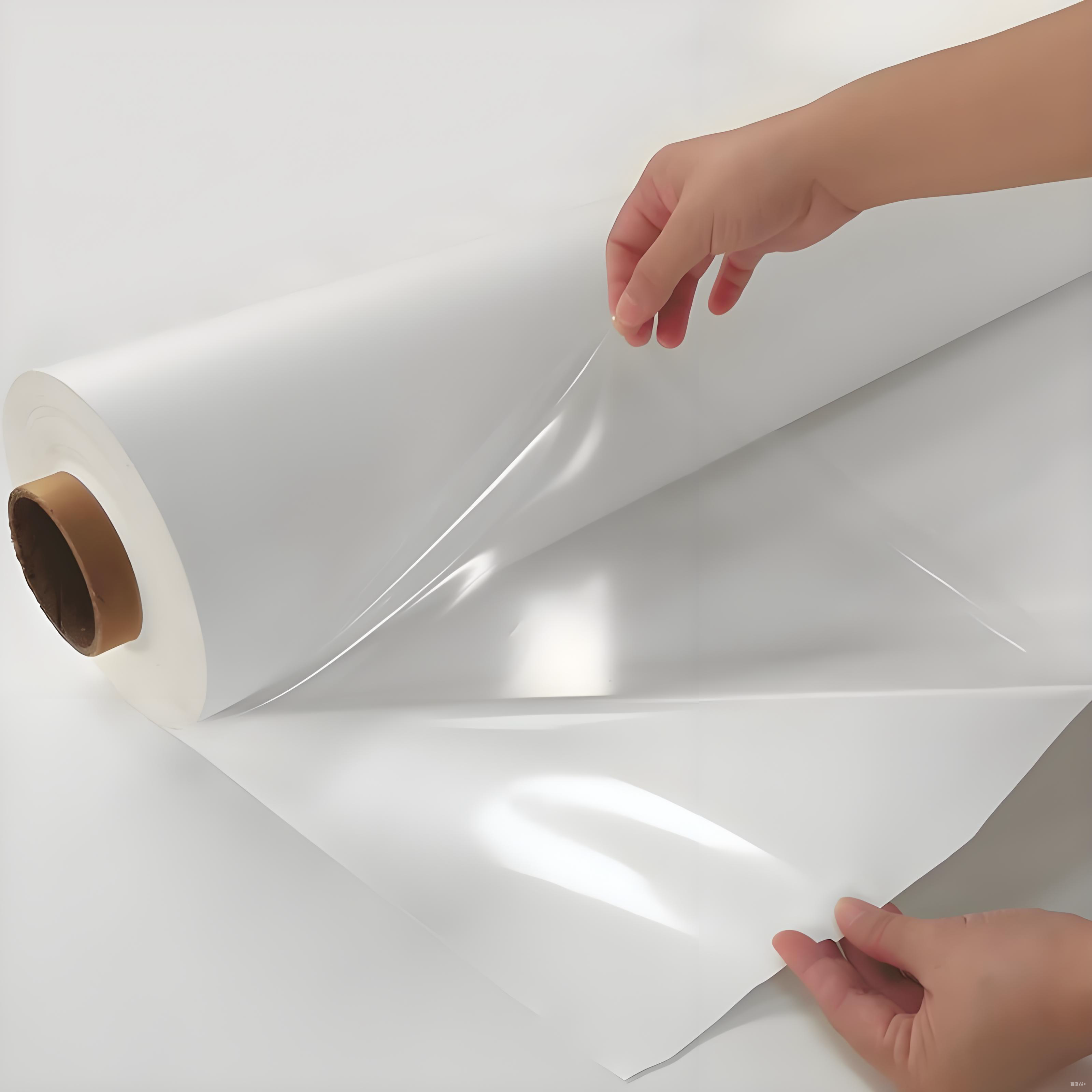
The Data & Direct Factory Solution: The regulatory landscape is unforgiving. Xin Gen Tech operates under ISO 9001:2015 and OHSAS 18001:2007, but our real selling point is our third-party certification breadth. We actively maintain certifications for OEKO-TEX, SGS, ROHS, REACH, and FDA (EU 10/2011) compliance.
The Difference: Because we are the manufacturer, our factory maintains a full R&D center and product laboratory. When we state "FDA compliant" for a medical catheter or wound dressing film, we have the batch testing results to back it up. We can provide the granular data that your quality assurance team needs to pass their audits.
The Case: We supplied a high-adhesion TPU film for bulletproof glass lamination in Brazil. The challenge was ensuring stable adhesion between polycarbonate and glass—a notoriously difficult bond. Because we synthesized the film in-house, we could adjust the optical clarity and adhesion promoter levels immediately. The client not only passed lamination testing but entered pilot production without a single regulatory hold-up.
Actionable Advice: Always ask your supplier for the specific EU 10/2011 or FDA migration test reports, not just a generic certificate. If they can't provide batch-specific numbers, your regulatory risk is too high. A direct factory audit will save you from a recall later.
3. Beyond Basics: Engineering for Niche Applications
The Misconception: A TPU film is just a "plastic sheet." In reality, the delta between a good film and a great film lies in the surface energy and the melt flow index tailored to your specific substrate.
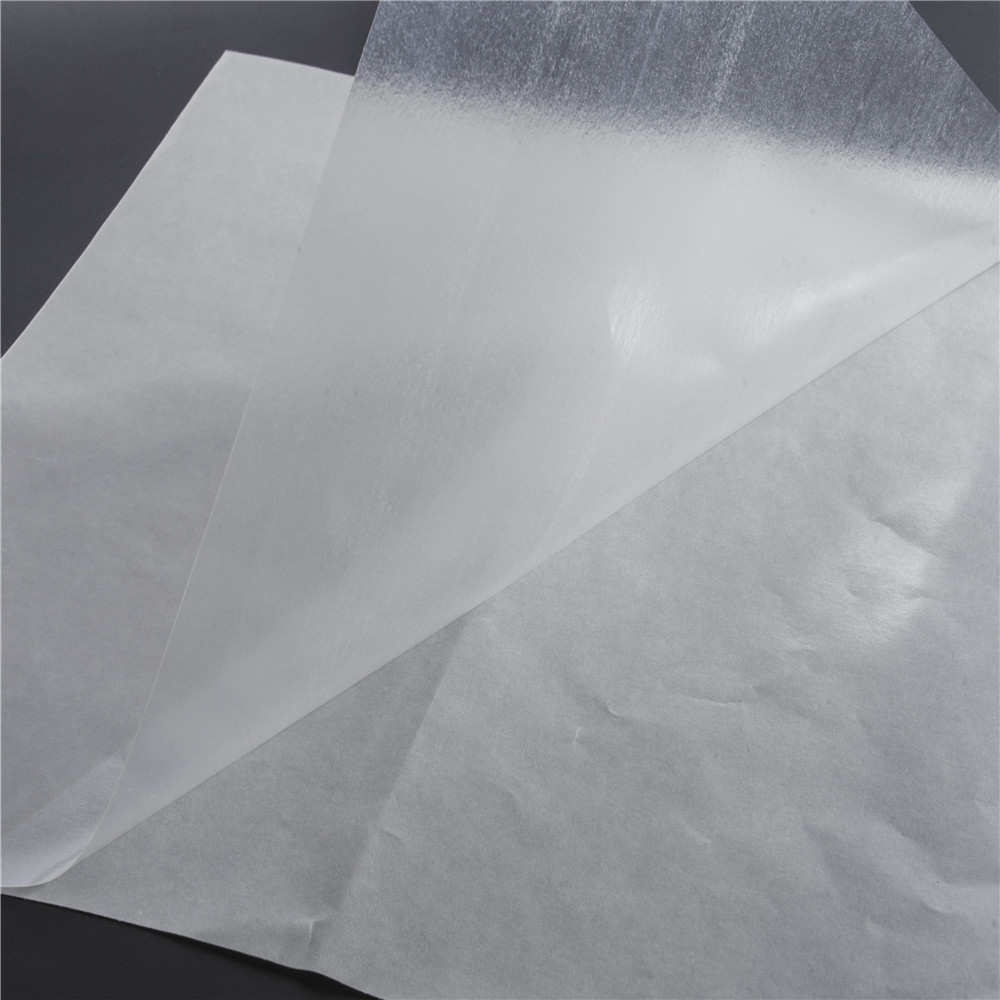
The Data & Direct Factory Solution: Our expertise isn't just in standard textile lamination. We excel in specialty fields, including the production of films for sophisticated applications. Here’s how we segment our technical support:
Electronics & Wearables: Standard films struggle with curved screens. Our films are engineered with a lower modulus to perfectly conform to curved surfaces and are capable of self-healing minor scratches, extending the life of the device.
Automotive Paint Protection: It's not about scratch resistance alone; it's about stone impact resistance and optical clarity. We formulate films that maintain their clarity even when stretched to 200% around complex bumpers.
Medical Grade: Biocompatibility is a given. But for wound dressings, you need the right moisture vapor transmission rate (MVTR). We don't just sell "medical-grade TPU"; we help you dial in the exact MVTR required for your wound care matrix.
Actionable Advice: Stop thinking about the film in isolation. Think about your substrate, your adhesive, and your end-use environment. A direct factory rep from Xin Gen can simulate your lamination conditions in our lab to predict delamination issues before they happen in your factory.
4. The Xin Gen Advantage: A Story of Long-Term Partnership
The Context: Since 2009, Xin Gen Eco-Technologies has been dedicated to high-end TPU production. While our headquarters and factory occupy over 6,000 square meters in Shanghai, our expansion into Shenzhen and Los Angeles in 2023 was a strategic move to get closer to the global innovation corridors.
Why Trust is a Technology: It’s not just about the physical product. It’s about knowing that the film you use for your upcoming production run in 2025 was developed with 2025's performance standards in mind. At the 2025 Shanghai CMEF exhibition, we showcased how our innovative medical materials are leading the industry.
Actionable Advice: Look at your current supplier list. Are you just a "purchase order" to them, or are you an "R&D partner"? When you deal directly with Xin Gen, you are not a customer; you are a co-developer. We are available to troubleshoot your lamination line and help you accelerate your development cycles. The global market for TPU films is set to surpass new heights, but the winners aren't those who buy cheapest—they are the ones who engineer the best.