In the world of advanced materials, TPU (Thermoplastic Polyurethane) hot melt adhesive films are quietly revolutionizing industries—from the shoes on your feet to the car you drive and even the medical devices that save lives. But behind every high-performance lamination, every scratch-resistant paint protection film, and every breathable waterproof jacket is a critical factor that often goes unnoticed: the expertise of the team producing the film.
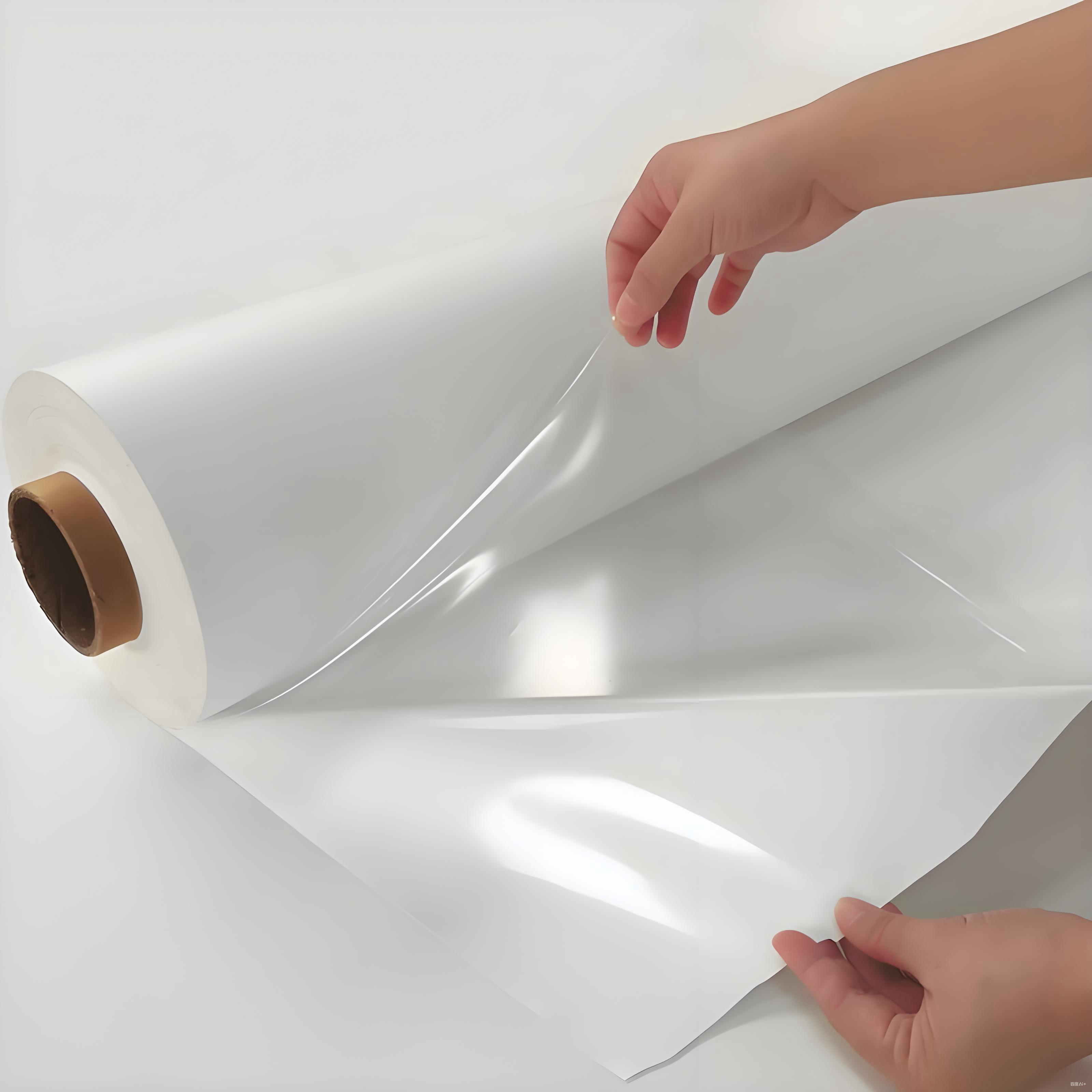
Having worked with numerous manufacturers over the years, I can tell you that the difference between a mediocre TPU film and a world-class one rarely comes down to the raw polymer pellets. It comes down to the professional team behind the extrusion lines, the lab equipment, and the technical support. Let’s break down why partnering with a specialized team, like the one at Xin Gen Tech, is not just a supplier decision—it’s a strategic advantage.
1. The 1:1 Laboratory-to-Production Bridge: Speed That Actually Matters
Most TPU suppliers offer samples. But here is the painful truth: sample development that diverges from mass production is a trap. You might get a perfect swatch from a lab line, only to see the final bulk order fail lamination tests due to inconsistent thickness or adhesion.
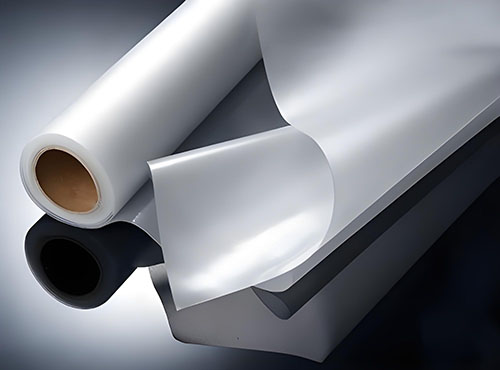
A professional team eliminates this risk through infrastructure parity. At Xin Gen Tech, our Shanghai headquarters houses an in-house laboratory with equipment that mimics our mass production lines on a 1:1 scale. This isn't just a marketing slogan; it means the 400mm wide samples you receive are processed under the same thermal and pressure profiles as the full-scale runs.
The Data Point: Our sampling lead time is drastically reduced—typically days, not weeks—because we aren't guessing at scale-up parameters. The "fast sampling" promise is backed by reproducible results, not luck.
Practical Advice: When vetting a supplier, specifically ask: "Does your lab line match your production line's screw configuration and roll temperature control?" If they hesitate, you are buying a lottery ticket, not a film.
2. Customization Is Not a Buzzword—It’s a Technical Checklist
TPU is not a one-size-fits-all product. The hardness (Shore A or Shore D), the melting point, the adhesion to specific substrates (polycarbonate, glass, nylon, polyester), and the optical clarity all require fine-tuning.
A professional team doesn't just ask, "What thickness?" They ask, "What is the end-use environment?" This is where engineering expertise kicks in. Consider our case study from Brazil regarding bulletproof glass lamination. The client needed a stable bond between polycarbonate and glass—two materials with wildly different thermal expansion coefficients. A standard adhesive would fail.
The Solution: We recommended a high-adhesion TPU film engineered with stable optical clarity, ensuring no yellowing and no delamination under stress. The result? The film passed rigorous lamination testing and entered pilot production successfully.
Practical Advice: Provide your potential supplier with the complete stack-up of materials. Don't hide the substrate details. The best teams use this data to adjust the film's formulation—specifically the chemical cross-linking and melt flow index—to match your process window. If they can't support customized hardness and functional requirements (like flame retardance or anti-hydrolysis), move on.
3. Beyond the Roll: Quality Certifications That Aren't Just Wallpaper
In the TPU industry, quality isn't about how the film looks; it's about consistency across thousands of square meters. A professional team invests in verification systems that protect your brand.
Xin Gen Tech operates with ISO 9001:2015 and OHSAS 18001:2007 standards, but more importantly, we routinely validate our films through third-party labs. Our TPU products carry OEKO-TEX, SGS, ROHS, REACH, FDA, and EU 10/2011 certifications. For medical and food-contact applications, this is non-negotiable.
My Perspective: I've seen too many buyers get burned by "BD" (Business Development) teams promising "FDA compliance" without the actual test reports. A professional team produces the certification documents upfront, not as an afterthought.
Practical Advice: Demand the certificates for the specific batch you are buying, not a generic PDF. Also, check if the factory has a dedicated R&D center and product lab on-site. Xin Gen's 6,000+ square meter facility is equipped to test tensile strength, tear resistance, and hydrolysis resistance—so problems are caught before they reach your factory.
4. The "Small" Sample Is Your Big Leap Forward
The user pain point in this industry is the "Sampling Trap"—high costs, long waits, and mismatched results. A professional team uses the sampling phase as the first step of consultancy.
At Xin Gen, our in-house lab allows for fast, low-cost sampling without sacrificing stability or consistency. We support customized thickness and hardness during this trial phase. More importantly, we offer professional technical support during the sampling process—not just order taking. If a lamination trial fails, we analyze whether it's a film issue or a process issue on your line.
Data Point: In 2023, we expanded sales branches to Shenzhen and Los Angeles to be closer to our customers' production floors. This isn't about logistics; it's about technical proximity. We want to be in the room when you run the trials.
Practical Advice: Use the sample phase to vet the supplier's knowledge. Ask them about your specific roll temperatures. A generic answer means you'll be alone on the factory floor when issues arise.
The Bottom Line: The Film Is Only as Good as the Team Behind the Extruder
The TPU market is crowded with suppliers offering rolls of film. But the professional team differentiates between a functional product and a high-performance solution.
Here is what you should look for:
Reproducible sampling (lab mimicking production).
Substrate-specific adhesion expertise (e.g., solving polycarbonate-to-glass challenges).
Regulatory transparency (FDA, REACH, etc.) with batch-level documentation.
Post-sales technical support that helps you troubleshoot lamination lines.
As seen with the Brazilian bulletproof glass project and our active participation in global forums like the 2025 Shanghai CMEF, Xin Gen Tech treats every roll as an engineered solution. Whether it's for medical catheters, automotive paint protection, or school uniform fabrics with waterproof breathability, the right team turns TPU's inherent versatility into your product's reliability.
The next time you're evaluating a TPU hot melt adhesive film, don't just ask for the spec sheet. Ask for the team's track record, look at their lab, and test their technical response time. That is where the true value lies.