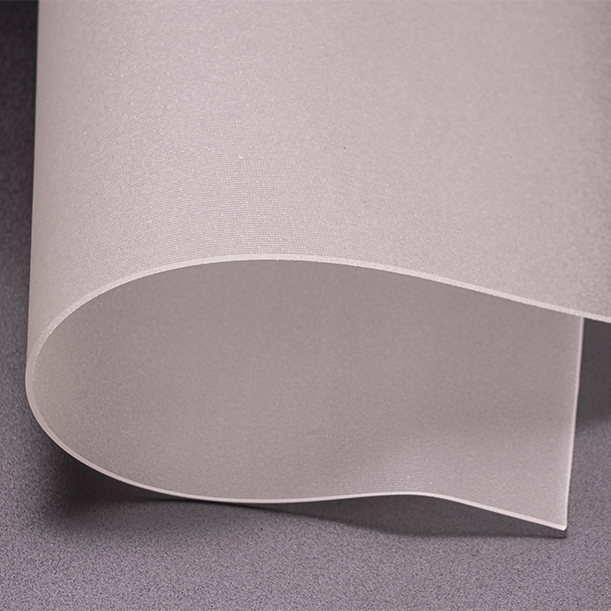
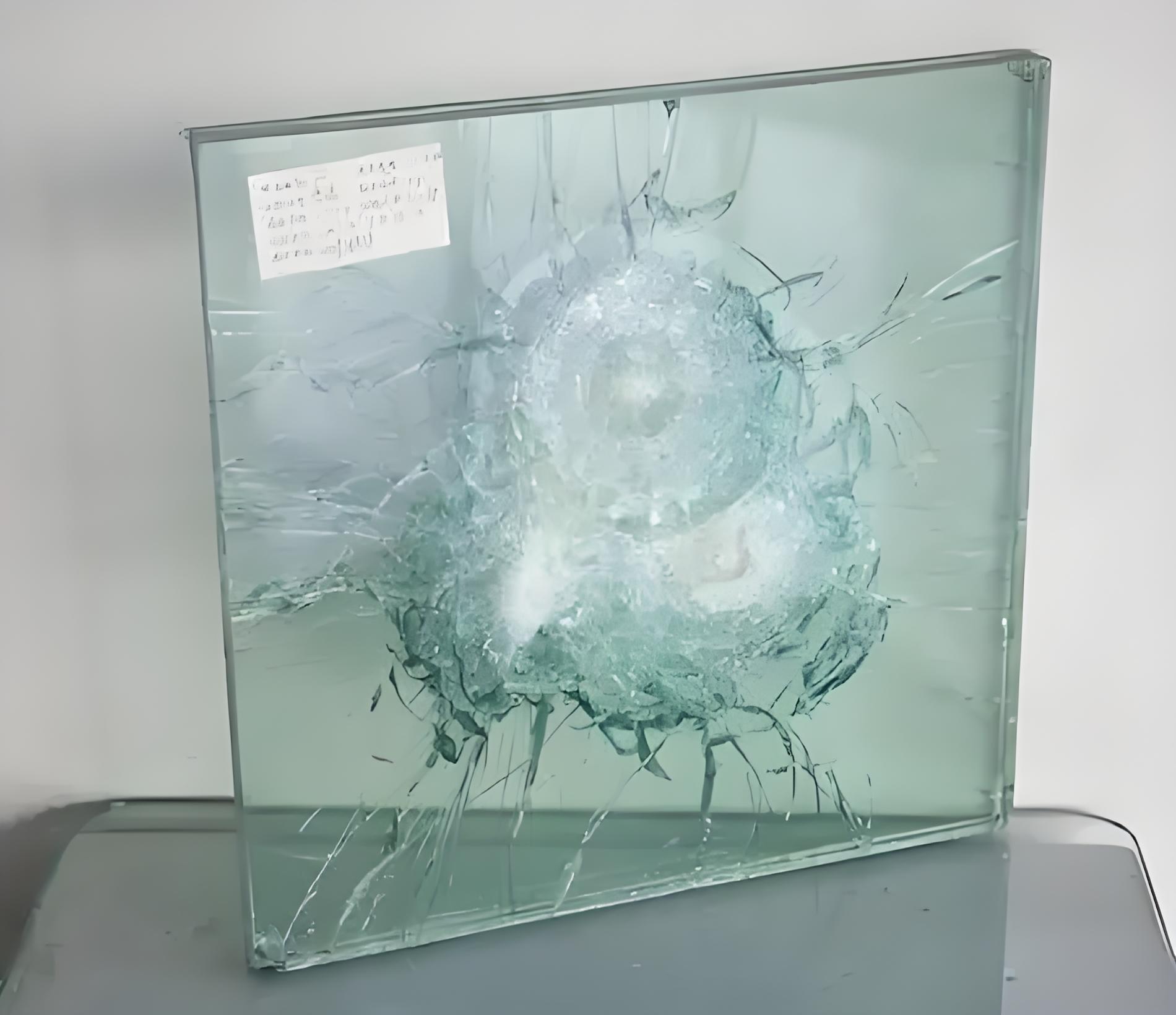
When it comes to laminated safety glass, polyvinyl butyral (PVB) and ethylene-vinyl acetate (EVA) have long been the standard choices. But over the past three years, a growing number of manufacturers across Brazil, Southeast Asia, and Europe have quietly switched to thermoplastic polyurethane (TPU) interlayer films—not just for technical superiority, but for surprising cost-effectiveness. Let’s break down the real numbers and practical strategies behind this shift.
Why TPU Is More Affordable Than You Think
1. Lower Total Cost of Ownership, Not Just Unit Price
The initial price per square meter of TPU film is often 10–15% higher than standard PVB. However, the total cost per finished panel tells a different story.
Case in point: A bulletproof glass manufacturer in São Paulo, Brazil, switched to XinGen’s high-adhesion TPU film for laminating polycarbonate with glass. Their rejection rate dropped from 8% (with PVB) to under 1.5% with TPU. Each rejected panel cost them roughly $120 in materials and labor. With 1,000 panels produced monthly, that’s a saving of $7,800 per month—more than covering the slightly higher material cost.
Why? TPU films offer superior adhesion to dissimilar materials (glass, polycarbonate, PET), fewer bubbles, and better optical clarity during lamination. Less scrap means lower effective cost.
2. Extended Lifespan Reduces Replacement Frequency
TPU interlayers resist yellowing and delamination far longer than PVB or EVA. In outdoor applications like automotive windshields or architectural glass, TPU maintains its clarity for 10–15 years under UV exposure, while PVB often starts yellowing within 5–7 years.
Real-world example: A Chinese electronics factory using TPU film for mobile screen protectors found that self-healing TPU films reduced customer returns by 40% compared to standard PET films. Over a two-year period, the total warranty cost per unit dropped 32%.
Practical advice: If your product faces outdoor elements, calculate the lifecycle cost instead of per-sheet cost. A slightly higher upfront investment in TPU can eliminate expensive mid-life replacements.
How to Select a Budget-Friendly TPU Interlayer Film
3. Focus on Thickness and Customization
Not all TPU interlayers are created equal. A “budget-friendly” option doesn’t mean low quality—it means right-sizing your specification.
Key recommendations:
For standard laminated glass (curtain walls, doors), 0.38mm–0.76mm thick sheets work well.
For bulletproof or security glass, 1.0mm–1.5mm thickness is needed. XinGen offers customized thickness down to 0.05mm increments, preventing over-engineering.
Use in-house lab sampling to test 400mm-wide rolls before full production. XinGen’s 1:1 production simulation lab allows fast, low-cost prototype development (samples in 3–5 days).
Cost tip: Avoid “one-size-fits-all” suppliers. Custom thickness can save 5–10% material waste because you use exactly what your application needs.
4. Verify Third-Party Certifications to Avoid Hidden Costs
Cheap films often lack proper certifications, leading to product liability risks or failed compliance audits later.
Must-have certifications for TPU interlayers:
ISO 9001:2015 for consistent quality
OEKO-TEX (textile composite applications)
REACH and RoHS for electronic and medical use
FDA and EU 10/2011 if used in food-contact surfaces
SGS testing for mechanical and optical properties
XinGen’s factory in Shanghai holds all of the above certifications, plus OHSAS 18001 for workplace safety. This means you avoid re-certification fees (often $2,000–$5,000 per product line) when exporting to Europe or North America.
Operational Tips for Cost-Sensitive Buyers
5. Optimize Sample Development to Cut R&D Waste
Many companies burn budget prototyping with expensive, full-width rolls. Instead:
Use small-width sample rolls (400mm) for early lamination trials. XinGen’s sampling system provides stable quality identical to mass production—no surprises later.
Test adhesion with your specific materials (polycarbonate, glass, PET) in advance. A 5-meter sample can save weeks of wasted production.
Real result: A Thai automotive parts supplier reduced their product development cycle from 8 weeks to 3 weeks using XinGen’s fast sample service, saving $12,000 in trial costs.
6. Plan for Bulk Orders with Volume Discounts
TPU interlayer production has a significant economy of scale. For orders over 5,000 square meters, per-unit cost can drop 15–20%. If your consumption is smaller, consider joint bulk purchases with other factories in your region.
The Bottom Line
Budget-friendly TPU interlayer films aren’t a myth—they’re a strategic choice. By focusing on total lifecycle cost, right-sized customization, and certified suppliers, you can achieve better performance while keeping your budget in check. XinGen’s track record in automotive, electronics, and security applications shows that investing in quality TPU upfront pays off through reduced rejection rates and longer product life.
Next time you compare interlayer options, run the numbers on scrap, warranty claims, and required thickness—not just the price tag. That’s where the real savings hide.