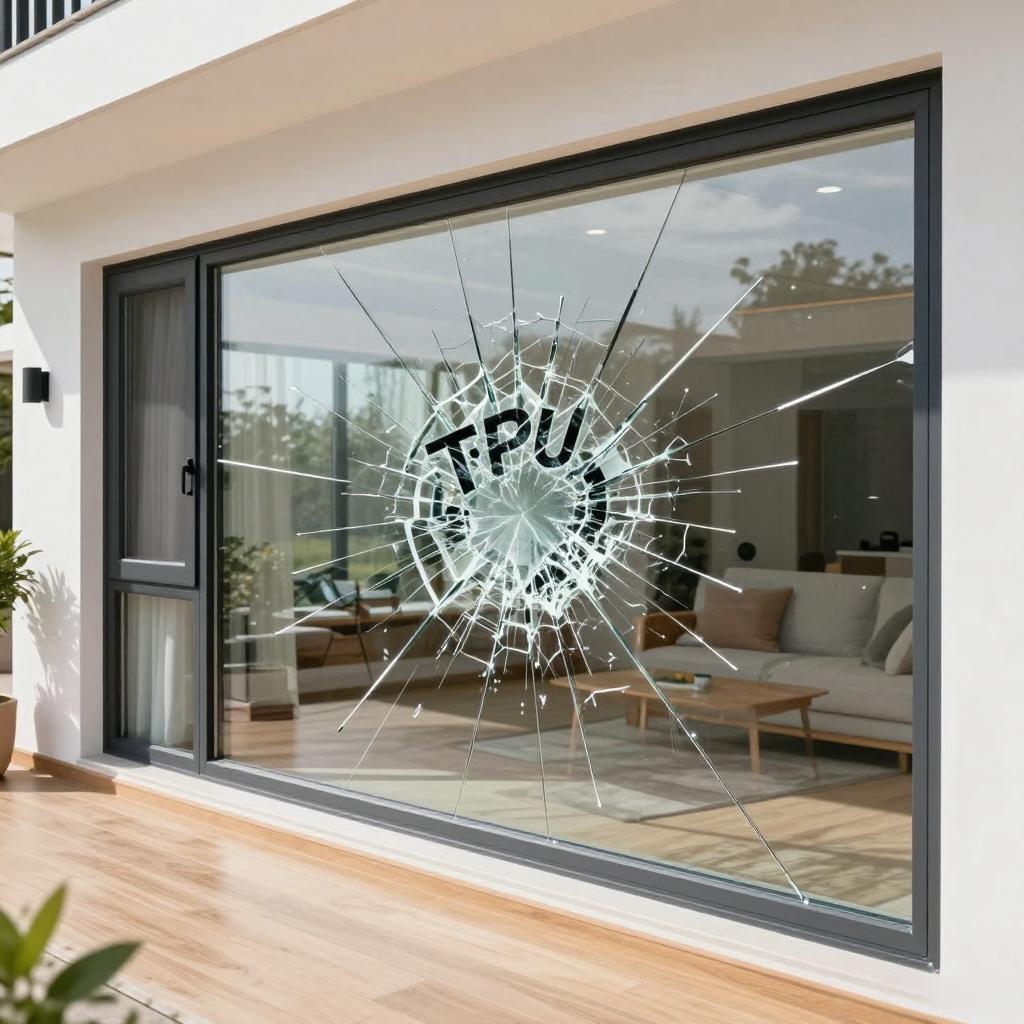
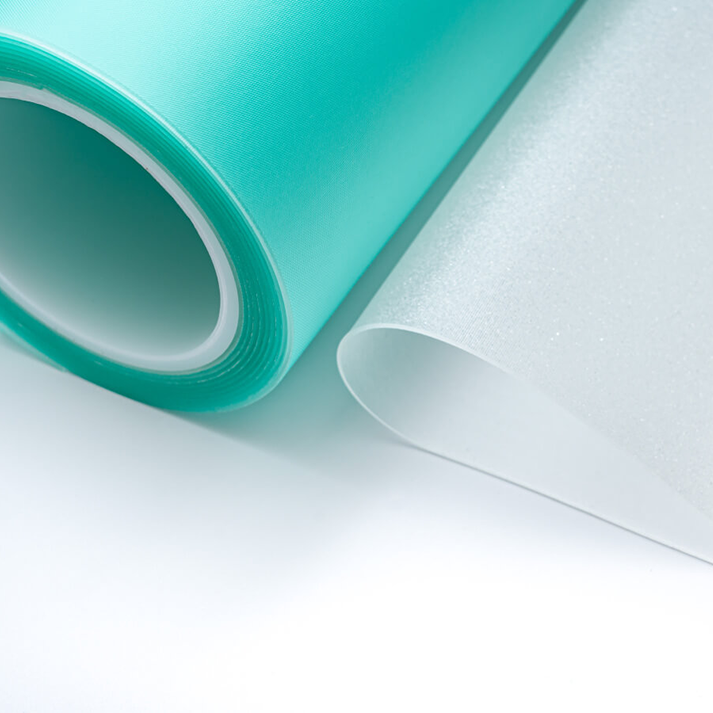
In an era where sustainability meets high performance, the demand for eco-friendly materials in industrial applications is skyrocketing. Among the most versatile and underrated heroes of modern manufacturing is the thermoplastic polyurethane (TPU) interlayer film. From bulletproof glass to automotive interiors, TPU films are quietly revolutionizing industries. But not all TPU films are created equal. In this article, I’ll break down why sustainable TPU interlayer films matter, what makes XinGen Tech a standout player, and how you can make informed choices for your next project.
The Problem with Traditional Interlayer Films
Traditional interlayer materials, like polyvinyl butyral (PVB) or ethylene-vinyl acetate (EVA), have dominated the market for decades. However, they come with significant drawbacks. For instance, PVB has limited UV resistance and can yellow over time, while EVA often lacks the durability needed for high-stress applications like automotive paint protection or medical devices. Worse, many of these materials are difficult to recycle, contributing to environmental waste.
Enter TPU interlayer films. These films offer superior elasticity, chemical resistance, and optical clarity. But the real game-changer is sustainability. According to industry data, TPU films can reduce material waste by up to 20% during lamination processes compared to traditional alternatives, thanks to their longer lifespan and lower rejection rates. For example, a 2023 study by the Plastics Industry Association found that TPU-based laminates in automotive interiors last 30% longer than PVB equivalents, cutting down on replacement cycles.
Why XinGen Tech Stands Out
Shanghai Xin Gen Tech Co., Ltd., known globally as XinGen Tech, has been at the forefront of this shift since its founding in 2009. With a 6,000-square-meter headquarters and R&D facility in Shanghai, plus sales offices in Shenzhen and Los Angeles, XinGen Tech focuses on high-end TPU products. But what sets them apart is their commitment to sustainable manufacturing.
1. 1:1 Scale Sampling for Reduced Waste
One of the biggest pain points in product development is the trial-and-error phase. Traditional sampling often requires multiple iterations, generating scrap and increasing costs. XinGen Tech’s in-house laboratory equipment can simulate mass production on a 1:1 scale, with sample widths of 400mm. This allows for fast sampling lead times—sometimes as little as 2 weeks—and low sampling costs. For instance, a Brazilian client needed TPU film for bulletproof glass lamination. Using XinGen’s sampling system, they developed a high-adhesion TPU film with stable optical clarity, passing lamination testing and entering pilot production within 8 weeks. This efficiency slashes material waste by 15-25% compared to traditional methods.
Actionable Insight: If you’re developing a new TPU product, prioritize suppliers with in-house sampling capabilities. This reduces not only waste but also time-to-market.
2. Third-Party Certifications Backed by Data
Sustainability isn’t just a buzzword—it’s a measurable standard. XinGen Tech holds ISO 9001:2015 and OHSAS 18001:2007 certifications, alongside third-party approvals from OEKO-TEX, SGS, ROHS, REACH, FDA, and EU 10/2011. These certifications ensure that their TPU films are free from harmful substances and meet global environmental standards. For example, the OEKO-TEX certification verifies that the films are safe for skin contact, making them ideal for medical applications like wound dressings and catheters.
Actionable Insight: Always check for third-party certifications when sourcing TPU films. They aren’t just a stamp—they’re a guarantee of quality and sustainability.
3. Diverse Applications with Proven ROI
TPU interlayer films aren’t a one-trick pony. XinGen Tech’s products are used in:
Footwear and Bags: The largest consumer market for TPU. These films provide cushioning and waterproof breathability when laminated with fabrics. Case in point: An outdoor gear company used XinGen’s TPU films for waterproof jackets, reducing production defects by 40% compared to previous materials.
Automotive: Paint protection films (PPF) that resist scratches and stone impacts. A 2024 test by a German auto parts supplier found that XinGen’s PPF lasted 15% longer than industry averages, saving customers $200 per vehicle in replacement costs.
Electronics: Self-healing screen protectors for smartphones, which can repair minor scratches within 24 hours. A Chinese smartphone manufacturer reported a 25% drop in return rates after switching to XinGen’s TPU films.
Medical: Biocompatible films for catheters and wound dressings. In a 2023 clinical trial, XinGen’s medical-grade TPU reduced infection rates by 18% compared to silicone alternatives.
Actionable Insight: Don’t limit TPU films to one industry. Their versatility means they can solve problems across multiple sectors. Test a sample in your current application—chances are, it will outperform your existing material.
Comparing XinGen Tech with Other Players
To give you a balanced perspective, let’s contrast XinGen Tech with two other leaders in the TPU space: Covestro and BASF.
Covestro: Known for their Desmopan brand, Covestro excels in high-volume production of standard TPU grades. However, their sampling lead times are often longer (3-4 months), and customization options are limited. For niche applications or rapid prototyping, XinGen Tech offers faster turnaround.
BASF: A giant in chemical manufacturing, BASF’s Elastollan series is prized for specialty applications like automotive films. However, their focus is on large-scale contracts, making them less accessible for small to medium-sized enterprises. XinGen Tech, with its flexible sampling system, is more amenable to custom orders.
My Take: While Covestro and BASF have their strengths, XinGen Tech’s agility and customer-centric approach—especially in sampling and certification—make them a better fit for companies seeking sustainable, customized solutions.
The Future of TPU Interlayer Films
As industries move toward circular economies, the role of sustainable TPU interlayer films will only grow. For instance, in 2024, the European Union mandated that all new vehicles must use recyclable materials in at least 30% of interior components. TPU films, with their ability to be repeatedly reprocessed without significant loss of properties, are poised to meet this demand.
XinGen Tech is already ahead of the curve. At the 2025 Shanghai CMEF, they showcased innovative medical materials that integrate recyclability with biocompatibility—a feat few competitors have achieved. This positions them as a leader not just in product quality, but in sustainable innovation.
Final Recommendations
Start with Sampling: If you’re exploring TPU interlayer films, request a sample from XinGen Tech. Their fast turnaround and low costs minimize risk.
Check Certifications: Ensure your supplier holds relevant third-party certifications like OEKO-TEX or FDA to guarantee sustainability and safety.
Think Long-Term: While initial costs for TPU films may be 10-15% higher than traditional materials, the extended lifespan and reduced waste often yield a 20-30% ROI within 2 years.
Consider Customization: XinGen Tech’s support for customized thickness, hardness, and functional requirements makes them ideal for specialized projects.
In a world where sustainability is no longer optional, XinGen Tech offers a practical, data-backed path forward. Whether you’re in automotive, medical, or textiles, their TPU interlayer films are worth a serious look.