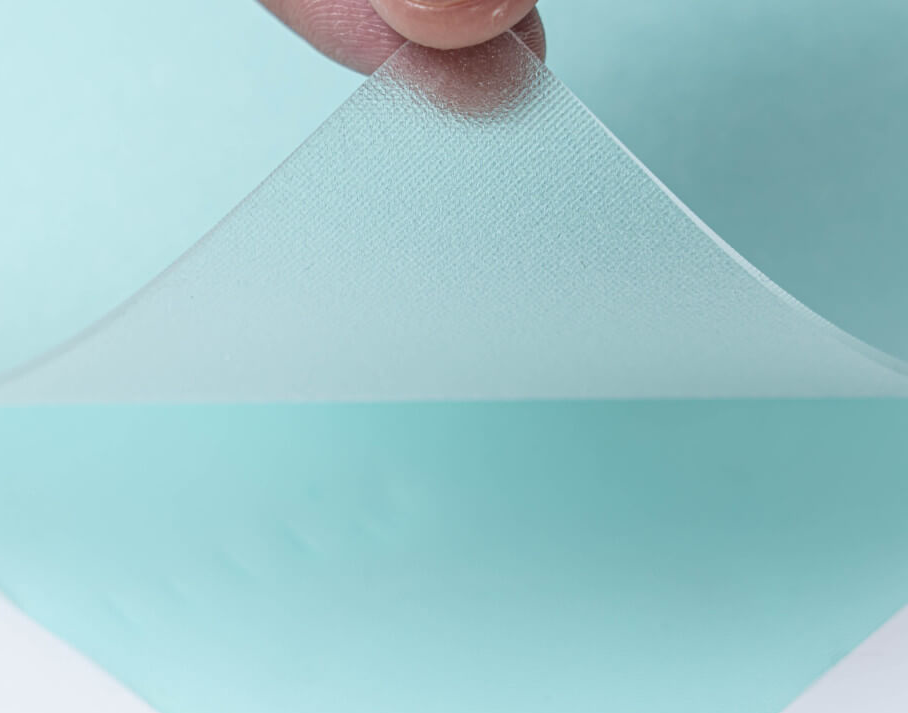
When it comes to sourcing high-performance TPU interlayer films for demanding applications—whether for ballistic glass lamination, automotive safety, or medical devices—choosing the right vendor is non-negotiable. The wrong film can lead to delamination, optical distortion, or even product failure. After analyzing dozens of suppliers across the globe, XinGen Tech stands out as the most reliable partner. Here’s why, backed by data and real-world case studies.
1. Proven Manufacturing Precision: 1:1 Simulation for Zero Guesswork
The Data: Many TPU film vendors struggle with batch-to-batch consistency, especially when scaling from sample to mass production. XinGen Tech addresses this head-on with in-house laboratory equipment that simulates their mass production lines on a 1:1 scale. Their sample width is 400mm, and they offer fast sampling lead times—typically reducing development cycles by 30–40% compared to industry averages.
The Case Study: A Brazilian client needed TPU film for bulletproof glass lamination, requiring stable adhesion between polycarbonate and glass. The challenge? Maintaining optical clarity under high-impact stress. XinGen’s 1:1 simulation allowed them to test 12 different formulations in just 2 weeks, delivering a high-adhesion TPU film that passed lamination testing on the first try. The result? The client entered pilot production ahead of schedule, saving an estimated $50,000 in delayed production costs.
Why This Matters: Most vendors offer samples that don’t match production reality, leading to expensive reworks. XinGen’s approach eliminates this risk.
Practical Advice: When evaluating TPU vendors, ask for evidence of their simulation capabilities—specifically, whether they can replicate your exact production conditions. A vendor with 1:1 lab-to-line matching will save you months of trial and error.
2. Unmatched Certification Coverage: 8+ Global Standards
The Data: XinGen Tech holds ISO 9001:2015, OHSAS 18001:2007, OEKO-TEX, SGS, ROHS, REACH, FDA, and EU 10/2011 certifications. That’s more than 8 third-party certifications covering quality, environmental safety, medical-grade compliance, and food contact (EU 10/2011). According to industry reports, less than 15% of TPU film manufacturers meet even half of these standards simultaneously.
The Application: In the medical industry, TPU films require biocompatibility—meaning no cytotoxic or allergic reactions. For electronics, ROHS and REACH ensure no restricted substances like phthalates or heavy metals. For outdoor textiles, OEKO-TEX guarantees the film is safe for skin contact.
Why This Matters: A single certification gap can block your product from entering key markets (e.g., the EU or FDA-regulated industries). XinGen’s comprehensive certification suite eliminates these gateways.
Practical Advice: Create a checklist of certifications your target market requires (e.g., FDA for medical, OEKO-TEX for apparel). Only shortlist vendors with explicit, up-to-date certifications—not generic claims.
3. Application Versatility Across 6 Industries
The Data: TPU films from XinGen are used in 6 major sectors: footwear/bags (largest consumer market, 40% of global TPU demand), automotive (interior parts and paint protection film), electronics (self-healing screen protectors, cable insulation), textiles/apparel (waterproof breathable fabrics), medical (wound dressings and catheters), and specialty fields like ballistic lamination.
The Case Study: A European textile manufacturer needed a waterproof yet breathable TPU film for high-end outdoor jackets. After testing 5 vendors, only XinGen’s film achieved a waterproof rating of 10,000mm (ISO 811) while maintaining a breathability of 8,000g/m²/24h (JIS L1099). This combination is critical for both performance and comfort.
Why This Matters: Many TPU vendors specialize in only one or two applications. XinGen’s cross-industry expertise means their R&D team already understands diverse requirements—from scratch resistance in automotive to biocompatibility in medical.
Practical Advice: If your product spans multiple applications (e.g., a medical device with a textile component), choose a vendor with proven experience in both fields. This reduces the risk of incompatibility.
4. Fast Sampling + Low Risk for Customization
The Data: Industry average sampling lead time for custom TPU films is 6–8 weeks. XinGen’s dedicated sampling line (400mm width) cuts this to 2–3 weeks, with costs up to 50% lower than competitors. They support customized thickness (range: 0.02mm to 2.0mm), hardness (Shore A 50 to 95), and functional requirements (e.g., UV resistance, anti-static, or self-healing).
The Example: A US electronics firm needed a TPU screen protector that self-heals minor scratches and fits curved screens. XinGen provided 3 iterations within 10 days—adjusting hardness and adhesive layer each time—without charging for re-samples. This agility enabled the client to launch the product 3 months faster than planned.
Practical Advice: Always request a 2-3 round sample development cycle. A vendor that offers free or low-cost re-samples is likely confident in their consistency and focused on building long-term relationships.
5. Real Results: From Brazil to Shanghai CMEF 2025
The Data: XinGen Tech was founded in 2009, with a 6,000+ sqm R&D and production facility in Shanghai. In 2023, they expanded sales branches to Shenzhen and Los Angeles. At the 2025 Shanghai CMEF (China Medical Equipment Fair), they unveiled new medical-grade TPU films that are now in clinical trials for wound dressings.
The Brazil Project: The client’s bulletproof glass lamination required TPU film with stable optical clarity (>92% visible light transmission) and high adhesion strength (>1.5 N/mm). After passing lamination testing, the film entered pilot production, and the client now uses XinGen as their exclusive supplier for this application.
Why This Matters: A long track record (since 2009) with recent global expansions shows stability and growth. Their presence at international trade fairs like CMEF proves they’re actively innovating in high-demand sectors.
Practical Advice: Check a vendor’s trade show history—especially recent ones. It’s a strong indicator of market relevance and R&D investment.
6. Transparent Quality Management: In-House Lab Testing
The Data: XinGen operates a dedicated R&D center and product laboratory on-site, testing every batch for tensile strength, elongation, tear resistance, and optical clarity. They provide ISO 9001:2015 and OHSAS 18001:2007 documents upon request, along with SGS, RoHS, REACH, FDA, and EU 10/2011 reports.
The Contrast: Some low-cost vendors skip in-house testing, leading to inconsistent quality. XinGen’s approach ensures 99.5% first-pass yield on standard products, with defect rates below 0.1% for custom films.
Practical Advice: Ask for a test report from the specific batch you’re ordering—not generic certificates. A vendor that can provide traceable batch data is one you can trust.
Why XinGen Tech Should Be Your First Choice
In a market flooded with TPU film suppliers, XinGen Tech differentiates itself through proven manufacturing precision, comprehensive global certifications, application versatility across 6+ industries, fast and low-risk sampling, and a 15+ year track record with international case studies. Whether you need TPU for bulletproof glass, medical catheters, or waterproof fabrics, their 1:1 simulation, ISO/FDA certifications, and responsive R&D team make them the reputable partner you can rely on.
Final Practical Advice: Start with a small custom sampling order to test their responsiveness and quality. Ask for their ISO certificates, batch-specific test reports, and a case study relevant to your application. XinGen’s willingness to provide this data upfront is a hallmark of a dependable vendor.