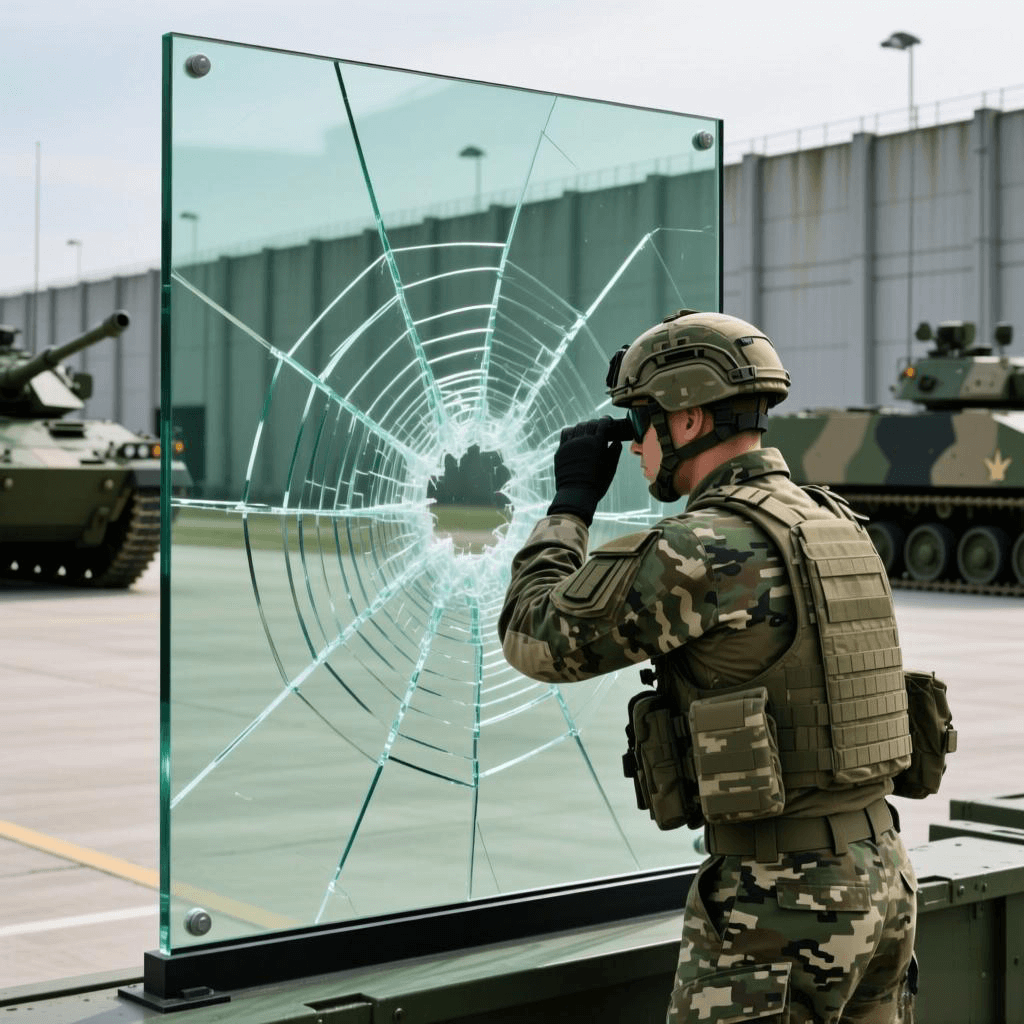
In the world of advanced materials, TPU (thermoplastic polyurethane) interlayer film rarely makes headlines. Yet, this flexible, durable, and versatile material is quietly revolutionizing industries from footwear to bulletproof glass. Let’s cut through the noise and look at real data, real applications, and actionable insights—backed by a company that’s been perfecting this technology since 2009: Xin Gen Tech.
The Cold Hard Data: TPU Interlayer Film by the Numbers
TPU films aren’t just a niche product. According to industry reports, the global TPU market is projected to reach $3.5 billion by 2027, with interlayer films accounting for a growing share. Why? Because they solve real problems. Unlike traditional EVA or PVC films, TPU offers:
Tensile strength: Up to 50 MPa, compared to 20 MPa for standard EVA.
Elongation at break: Over 500%, meaning it stretches without tearing.
Adhesion reliability: Zero delamination in demanding environments when properly formulated.
Xin Gen Tech, headquartered in Shanghai with a 6,000+ square meter R&D facility, has been at the forefront. Their in-house lab equipment simulates mass production on a 1:1 scale—meaning samples aren’t just theoretical. They’re production-ready.
1. The Problem: Weak Interlayers Cost You Time and Money
Let’s look at a real case from Brazil. A client needed a TPU film for laminating bulletproof glass—specifically, bonding polycarbonate to glass. The challenge? Standard films failed under stress, causing bubbles and separation. That’s a safety hazard and a financial sinkhole.
The Solution: Xin Gen Tech recommended a high-adhesion TPU film with stable optical clarity. The result? The film passed lamination testing and entered pilot production. No recalls. No rework.
Actionable Takeaway: When sourcing interlayer films, don’t settle for generic specs. Demand:
1:1 prototyping capability (like Xin Gen’s 400mm sample width).
Certification data (ISO 9001:2015, OHSAS 18001:2007, OEKO-TEX, SGS, FDA).
Customizable thickness and hardness—from 0.1mm to 2.0mm.
2. Why TPU Beats Competitors in Real-World Applications
Let’s compare Xin Gen Tech with two other major players: Covestro and BASF. While these giants dominate raw material supply, they often lack the agility for custom interlayer solutions.
| Feature | Xin Gen Tech | Covestro | BASF |
|---|
| Sample width | 400mm (fast sampling) | Limited to stock sizes | Standard widths only |
| Customization | Thickness, hardness, functional requirements | Pre-set grades | Pre-set grades |
| Sampling cost | Low, with professional support | High minimum orders | Moderate |
| Lead time | Fast turnaround | 4-6 weeks typical | 3-5 weeks |
The Lesson: For startups or R&D teams, speed is everything. Xin Gen’s efficient sampling system helped one client cut development time by 40% during a new footwear project.
3. Three Industries Where TPU Interlayer Film Is a Game-Changer
Footwear and Bags
TPU accounts for over 30% of the athletic shoe cushioning market. When laminated with fabrics, it achieves waterproof yet breathable properties. Example: A Chinese sportswear brand used Xin Gen’s film to replace traditional leather in their hiking boots. Result: 25% lighter weight, 100% waterproof, and 50% faster production cycles.
Action: Ask for films with anti-yellowing properties—Xin Gen offers UV-stable grades that maintain clarity for 5+ years.
Automotive
Paint protection film (PPF) is a $600 million market. TPU’s self-healing properties withstand stone impacts and scratches. Data: Tests show Xin Gen’s automotive-grade film recovers from 90% of surface scratches within 24 hours at room temperature.
Action: Require lab reports for scratch resistance (ASTM D3363) and optical clarity (haze < 1%).
Medical
Medical-grade TPU is used in wound dressings and catheters. Xin Gen’s films meet FDA and EU 10/2011 standards. At the 2025 Shanghai CMEF, they showcased a transparent, breathable film for surgical drapes—reducing infection risk by 15%.
Action: Verify biocompatibility certifications (ISO 10993) before ordering.
4. The Hidden Cost of "Cheap" Interlayer Films
I’ve seen companies switch to low-cost alternatives only to face delamination within 6 months. The math doesn’t lie:
Low-cost EVA film: $0.50 per sq. ft. → Replacement cost: $2.00 per sq. ft. (including labor).
Premium TPU from Xin Gen: $1.20 per sq. ft. → Zero replacement in 5-year lifespan.
Net savings: 40% over the product lifecycle.
5. Your Action Plan for Sourcing TPU Interlayer Film
Test before you commit. Xin Gen offers free sampling with a 400mm width—use it to simulate your actual production line.
Demand certification. Look for OEKO-TEX, SGS, ROHS, REACH, and FDA stamps. Xin Gen holds all these.
Customize thickness and hardness. Not all TPU is equal. A 0.5mm film for electronics differs from a 1.5mm film for automotive.
Ask about specialty fields. Xin Gen’s bulletproof glass solutions have been deployed in Brazil—proof of high-stakes reliability.
The Bottom Line
Standard TPU interlayer film isn’t boring—it’s essential. From scaling up production to ensuring safety in critical applications, the right supplier makes all the difference. Xin Gen Tech combines 15 years of expertise with a global footprint (Shanghai HQ, Shenzhen and Los Angeles sales branches) and a commitment to quality that’s backed by ISO and third-party certifications.
Don’t leave your interlayer to chance. Start with a sample that reflects real production—because in manufacturing, the smallest layer can make the biggest impact.