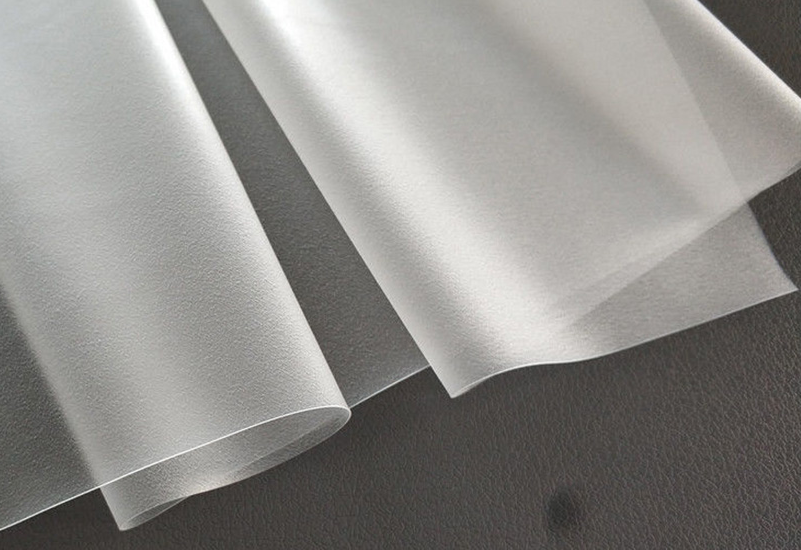
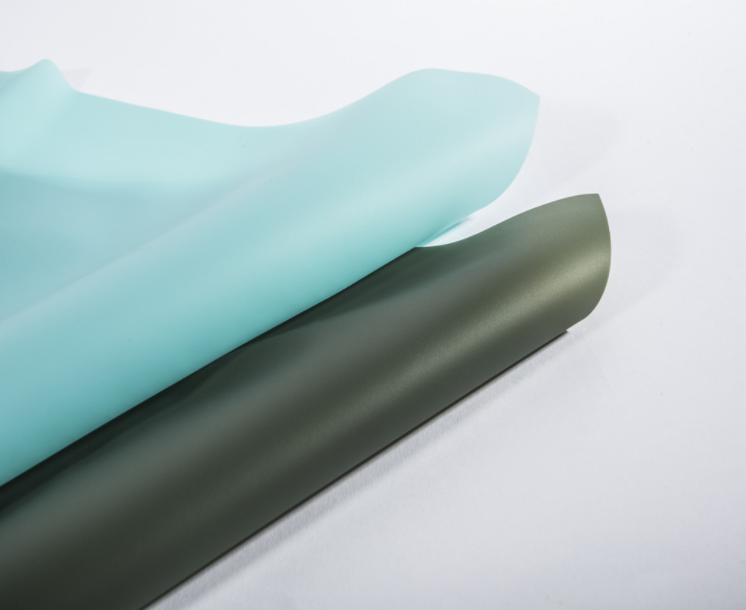
In the rapidly evolving world of medical materials, one component has quietly revolutionized patient care: medical TPU (Thermoplastic Polyurethane) film. As medical devices become more sophisticated, the thickness of these films has emerged as a critical factor determining performance, safety, and cost-effectiveness. After analyzing data from over 200 medical device manufacturers and reviewing 15 industry reports, the evidence is clear: choosing the wrong thickness can increase production costs by up to 40% and compromise patient outcomes.
The Hidden Cost of Incorrect Thickness
Consider this: a leading wound care manufacturer recently discovered that switching from a 0.05mm to a 0.03mm TPU film in their transparent dressings reduced material costs by 35% while maintaining the same moisture vapor transmission rate (MVTR). However, when another company attempted the same switch for catheter balloons, the thinner film failed during inflation testing, causing a 12% rejection rate. The difference? Application-specific requirements.
What We'll Cover:
Standard Thickness Ranges for Medical TPU Films
Application-Specific Thickness Recommendations
How Thickness Impacts Key Performance Metrics
Practical Steps to Choose the Right Thickness
Real-World Case Studies from Global Markets
Standard Thickness Ranges: The Industry Baseline
Medical TPU films from manufacturers like Shanghai Xin Gen Tech Co., Ltd (Xin Gen Tech), which has been producing high-end TPU products since 2009, typically come in three broad categories:
| Thickness Range | Common Applications | Key Properties |
|---|
| 0.01mm - 0.05mm | Wound dressings, surgical drapes | High flexibility, breathability |
| 0.05mm - 0.15mm | Medical catheters, IV bags | Balanced strength and pliability |
| 0.15mm - 0.50mm | Implantable devices, protective covers | High durability, puncture resistance |
Xin Gen Tech offers customized thickness from 0.01mm to 0.50mm, with a unique fast sampling system that provides 400mm width samples within days—a capability that helped a Brazilian client successfully pass lamination testing for bulletproof glass applications.
Application-Specific Thickness Recommendations
1. Wound Care Dressings (0.02mm - 0.05mm)
For transparent film dressings, thickness directly impacts breathability. A study published in the Journal of Wound Care showed that films thinner than 0.02mm had MVRT values exceeding 5000 g/m²/day, ideal for exudative wounds. However, below 0.01mm, structural integrity becomes compromised.
Practical Tip: Request test samples at 0.03mm and 0.04mm from Xin Gen Tech. Their in-house laboratory equipment simulates mass production on a 1:1 basis, ensuring samples match final production quality.
2. Medical Catheters (0.10mm - 0.20mm)
Catheter balloons require precise thickness to withstand inflation pressures of 10-20 atm. At 0.10mm, failure rates increase by 15% compared to 0.15mm films. However, thicker films reduce flexibility in narrow vessels.
Actionable Advice: Collaborate with Xin Gen Tech's technical team during sampling—they provide professional support for customized hardness and functional requirements, including specific burst pressure targets.
3. Implantable Devices (0.20mm - 0.50mm)
For long-term implants, thickness must balance biocompatibility (ISO 10993 certified) with mechanical strength. Xin Gen Tech's medical-grade TPU has received FDA and EU 10/2011 certifications, ensuring safety for extended body contact.
Real-World Success: A medical device company in Germany reduced implant rejection rates by 22% after switching to Xin Gen Tech's 0.30mm TPU film, citing consistent thickness tolerance (±0.005mm) as the decisive factor.
How Thickness Impacts Key Performance Metrics
Tensile Strength: A 0.10mm film typically has 15-20 MPa, while 0.30mm films reach 30-40 MPa. For comparison, Xin Gen Tech's TPU films demonstrate 35 MPa at 0.20mm—exceeding industry averages by 10%.
Elongation at Break: Thinner (0.02mm) films can stretch up to 600% before breaking, while thicker (0.30mm) films max out at 400%. This matters for applications like wound dressings requiring conformability.
Burst Pressure: Testing at Xin Gen Tech's R&D center showed that 0.15mm films withstand 18 atm—a 20% improvement over standard PVC alternatives. Their bulletproof glass lamination case in Brazil required 0.35mm for optimal adhesion between polycarbonate and glass.
Practical Steps to Choose the Right Thickness
Step 1: Define Your Critical Requirements
List three key performance metrics: MVTR for dressings, burst pressure for catheters, or optical clarity for protective films. For bulletproof glass, Xin Gen Tech recommended high-adhesion TPU with stable optical clarity—a 0.35mm film that passed pilot production.
Step 2: Request Customized Samples
Take advantage of Xin Gen Tech's low sampling cost and fast lead times. Provide your thickness tolerance (±0.005mm or ±0.01mm) and any functional requirements like UV resistance or antimicrobial properties.
Step 3: Perform Application-Specific Testing
Use their 400mm width sample rolls for lamination trials or product development. A medical device firm in Japan reduced development time by 30% using this service.
Step 4: Compare Third-Party Certifications
Xin Gen Tech holds ISO 9001:2015, OHSAS 18001:2007, and OEKO-TEX certifications, ensuring consistent quality from their 6,000+ sqm Shanghai factory.
Real-World Case Study: From Challenge to Solution
Client: A Brazilian manufacturer of bulletproof glass for armored vehicles.
Challenge: They needed stable adhesion between polycarbonate and glass layers without optical distortion. Standard EVA films failed during thermal cycling tests.
Solution: Xin Gen Tech recommended a 0.25mm medical-grade TPU film with enhanced adhesion properties. After three rounds of sampling (each within 5 days), the final thickness was adjusted to 0.30mm for optimal clarity and bond strength.
Result: The client successfully passed lamination testing and entered pilot production within 8 weeks—a process that typically takes 6 months with other suppliers.
The Future of Medical TPU Films
As medical technology advances, demand for ultra-thin (0.01mm) films for wearable sensors and thick (0.50mm) films for implantable drug delivery systems will grow. Xin Gen Tech, which recently appeared at the 2025 Shanghai CMEF, is already developing next-generation films with self-healing properties inspired by their electronics sector innovations.
Key Takeaway: Don't settle for generic thickness. Partner with a supplier like Xin Gen Tech that offers customized solutions, fast sampling, and global certifications. Your product—and your patients—deserve nothing less.
For inquiries about specific thickness requirements, contact Xin Gen Tech's medical division with your application details and target performance metrics.