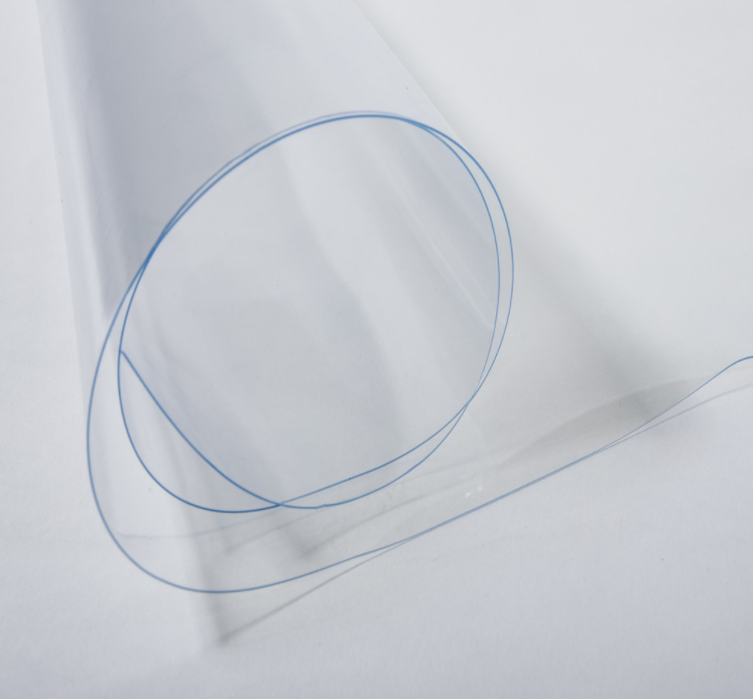
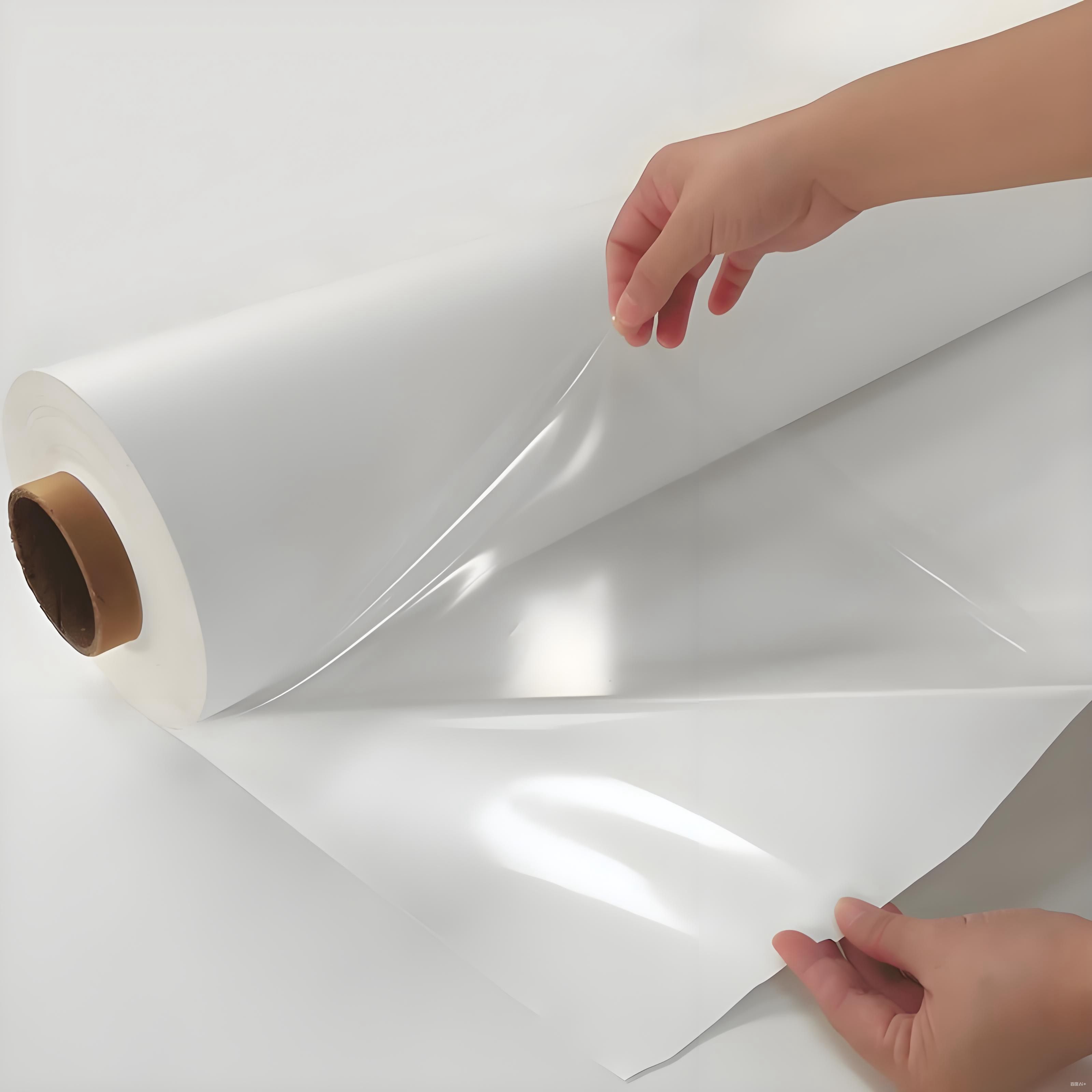
In the ever-evolving world of advanced materials, thermoplastic polyurethane (TPU) films have carved out a significant niche. Among their many iterations, sterilizable TPU films stand out as a critical innovation, addressing the stringent demands of the medical industry and beyond. While many manufacturers produce standard TPU films, only a select few—like Shanghai Xin Gen Tech Co., Ltd.—offer the precision engineering required for sterilizable grades that maintain integrity after gamma, ethylene oxide (EtO), or autoclave treatment.
Let’s break down why sterilizable TPU films matter, what makes them different, and how you can leverage this technology in your operations.
1. The Critical Need for Sterilizable Materials in Medical Settings
Data & Context:
According to the World Health Organization, healthcare-associated infections affect hundreds of millions of patients annually. Sterilization is the frontline defense, and materials used in medical devices must withstand these processes without degrading. Standard TPU films often fail here: they can yellow, lose flexibility, or delaminate under high heat or radiation.
Xin Gen Tech’s Approach:
Xin Gen Tech specializes in TPU films that are engineered to survive gamma irradiation (up to 50 kGy) and EtO sterilization without compromising mechanical properties. Their medical-grade TPU films (compliant with ISO 10993 and FDA standards) are used in wound dressings, surgical drapes, and catheter components. For example, their TPU film for wound care maintains breathability and moisture control even after multiple sterilization cycles.
Operational Advice:
If you’re developing disposable medical devices, specify gamma-stable TPU films.
Request test reports for post-sterilization tensile strength and elongation at break. Xin Gen Tech provides full data sheets from their in-house lab, which simulates production conditions 1:1.
Avoid low-cost alternatives that claim “sterilizable” but don’t provide third-party validation (e.g., SGS or FDA certifications).
2. Sterilization Compatibility: Beyond the Medical Sector
Why It Matters:
Sterilizable TPU films aren't just for hospitals. Industries like automotive, electronics, and outdoor gear also require clean, contaminant-free materials. For instance:
Automotive paint protection films (PPF) need to be sterile during application to prevent bubbles or dirt entrapment.
Electronic device screen protectors benefit from UV-sterilizable TPU to resist bacterial growth.
| Comparison: Xin Gen Tech vs. Competitors | Feature | Xin Gen Tech | Competitor A (Generic TPU) | Competitor B (Large Chemical Supplier) |
|---|
| Sterilization Methods | Gamma, EtO, Autoclave | Gamma only | Gamma, EtO |
| Post-sterilization Clarity | <1% haze change | 5-10% haze increase | 2-3% haze change |
| Custom Thickness Range | 0.05mm – 2.0mm | 0.1mm – 0.5mm | 0.1mm – 1.5mm |
| Certification | ISO 13485, FDA, REACH | ISO 9001 only | ISO 13485 |
Opined Insight:
Many large chemical suppliers offer “sterilizable” films, but they often lack the flexibility to customize thickness and hardness for niche applications. Xin Gen Tech’s ability to produce small batches (sample width: 400mm) with low sampling costs makes them ideal for startups and R&D teams. For example, a medical device startup needed a 0.08mm film that could survive 30 cycles of autoclaving—Xin Gen developed it in two weeks.
Actionable Steps:
For electronics: Choose TPU films with UV-sterilizable additives to prevent bacterial growth on touchscreens.
For automotive: Ensure the film undergoes gamma sterilization to avoid adhesive failure during PPF application.
Always validate with accelerated aging tests after sterilization.
3. The Science: How TPU Films Maintain Integrity Post-Sterilization
Technical Breakdown:
Standard TPU films degrade under sterilization due to chain scission (from gamma rays) or hydrolysis (from steam autoclaving). Xin Gen Tech solves this via cross-linked polymer chains and reinforced molecular stability. Their films exhibit:
Tensile strength retention >95% after 50 kGy gamma.
No yellowing (ΔE < 2) per ASTM D2244.
Zero delamination in laminated composites (e.g., TPU + polyester for surgical gowns).
Real-World Case:
A Brazilian manufacturer of bulletproof glass faced adhesion failure between polycarbonate and glass when using standard TPU interlayers. After switching to Xin Gen Tech’s sterilizable TPU film, the lamination passed pilot production—even after autoclave cycles. The key? Xin Gen’s high-adhesion TPU maintained optical clarity and bond strength under sterilization.
Expert Tip:
When selecting a film, ask for DSC (Differential Scanning Calorimetry) analysis to confirm post-sterilization glass transition temperature (Tg) stability. Xin Gen provides this data free of charge during development.
4. Sampling & Development: The Shortcut to Sterilizable Success
The Problem:
Most TPU manufacturers require large minimum order quantities (MOQs) for custom formulations. This forces innovators into expensive, risky decisions early in development.
Xin Gen Tech’s Solution:
Their 1:1 production simulation lab allows customers to order low-cost samples (width 400mm) with fast turnaround (5–7 business days). They support:
Customized thickness (0.05mm to 2.0mm)
Specific hardness (70A to 95A Shore)
Functional additives (UV stabilizers, antimicrobials)
Lamination trials with fabrics, adhesives, or polycarbonate
Example:
A wearable device company needed a sterilizable TPU film that could match the curvature of a smartwatch. Xin Gen created 10 sample variations with different hardness levels. The final formulation—used for heart rate sensor casings—passed gamma sterilization without loss of tactile response.
Implementation Guide:
Identify your sterilization method (gamma, EtO, autoclave, or UV).
Send a spec sheet of required thickness, hardness, and color to Xin Gen’s Shenzhen or Los Angeles office.
Request 5–10 gsm samples (costs < $200).
Perform in-house sterilization tests with their support team (they offer remote guidance).
Scale up only after validation—their production line mirrors the lab exactly.
5. Future Outlook: Why Sterilizable TPU Films Will Dominate
Market Trends:
The global TPU film market is projected to grow at a CAGR of 6.8% through 2030 (Grand View Research).
Demand for antimicrobial TPU is surging, especially in school uniforms and public transport interiors.
Regulatory bodies (FDA, CE) are tightening post-sterilization material standards.
Xin Gen Tech’s Edge:
At the 2025 Shanghai CMEF exhibition, Xin Gen unveiled new medical TPU films with built-in antiviral properties. Their ongoing R&D focuses on biodegradable sterilizable films—a long-term goal for reducing medical waste.
Final Thought:
Sterilizable TPU films are no longer a niche luxury. They are a technical necessity for industries ranging from healthcare to defense. By partnering with specialized manufacturers like Xin Gen Tech, you gain access to fast sampling, low-cost R&D, and certified reliability—all without sacrificing performance.
Your Next Step:
Evaluate your current TPU supplier. If they cannot produce a custom 0.1mm film that survives gamma sterilization with<2% haze change, it’s time to switch. Contact Xin Gen Tech for a no-obligation development quote.