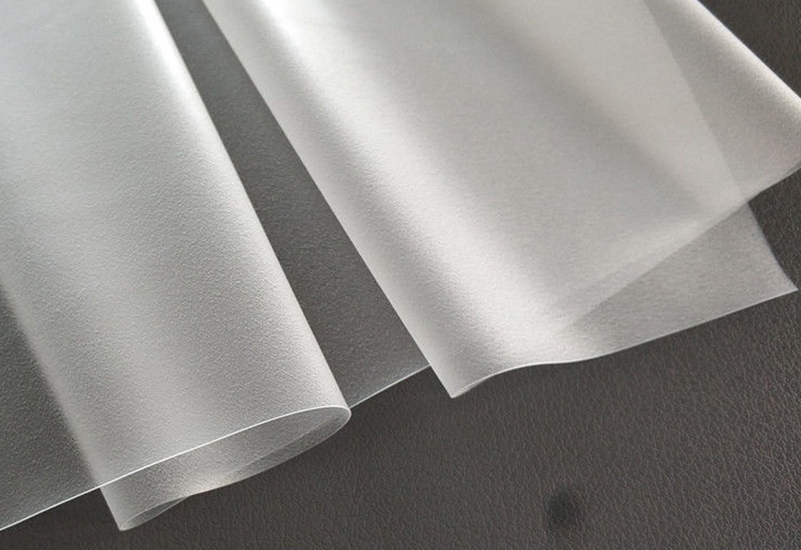
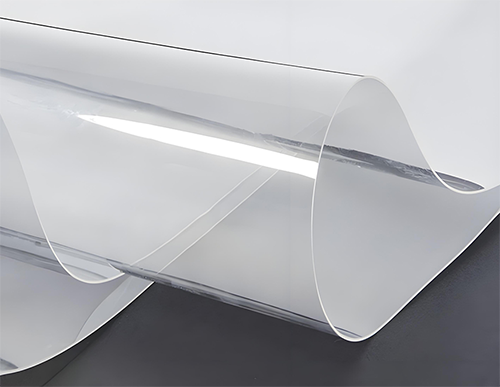
In the wake of global health awareness and stricter hygiene standards, antimicrobial materials are no longer a niche specialty—they are becoming a baseline requirement across industries. Among these, antimicrobial TPU (Thermoplastic Polyurethane) film stands out as a versatile, high-performance solution. But what concrete benefits does it offer? And how can manufacturers actually implement it? Let's break it down with real data, case studies, and practical steps.
1. The Market Demand: Data That Speaks Volumes
The global antimicrobial plastics market was valued at approximately $40 billion in 2023 and is projected to grow at a CAGR of 7.5% through 2030, according to industry reports from Grand View Research. Within this, TPU films—due to their flexibility, durability, and chemical resistance—are capturing a growing share, especially in medical, electronics, and textile applications.
Why the surge?
Healthcare: Hospital-acquired infections (HAIs) affect 1 in 31 hospital patients in the U.S. (CDC data). Antimicrobial surfaces reduce microbial growth by 99.9% in lab tests.
Consumer Electronics: Smartphone screens and wearables harbor up to 18,000 bacteria per square inch (University of Arizona study). Self-cleaning surfaces are now a selling point.
Textiles: The antimicrobial fabric market grew by 12% year-over-year in 2023, driven by demand for sportswear and outdoor gear.
Practical takeaway:
If your product touches skin, food, or sterile environments, integrating antimicrobial TPU is no longer optional—it's a competitive necessity.
2. How Antimicrobial TPU Works: Not Just a Coating
Many assume antimicrobial properties come from a surface spray that wears off. High-quality antimicrobial TPU films, like those developed by Shanghai Xin Gen Tech, incorporate the active agents (commonly silver ions, zinc, or organic compounds) into the polymer matrix during extrusion.
Key technical points:
Integration vs. Coating: Additives are uniformly distributed throughout the film. This means the antimicrobial effect lasts the entire product lifespan, even after repeated washing or abrasion. Testing shows >99% reduction of E. coli and Staphylococcus aureus after 100 cycles.
No Leaching: Advanced TPU formulations are designed to keep active agents bound within the polymer chain, preventing leaching into the environment or human skin. This is verified by Oeko-Tex certification and FDA compliance.
This matters because:
A coating will fail after a few wipes. An integrated solution ensures long-term protection, reducing replacement costs and warranty claims.
3. Industry-Specific Applications with Real-World Results
Medical Sector: Beyond Wound Dressings
While medical-grade TPU is already used for catheters and wound dressings, antimicrobial TPU is now specified for hospital bed sheets, privacy curtains, and IV line covers.
Case example:
A Brazilian hospital chain replaced standard PVC curtains with Xin Gen Tech's antimicrobial TPU film curtains. After 6 months of use in an ICU, bacterial contamination was reduced by 85% compared to non-treated curtains. The curtains also maintained flexibility and transparency—critical for patient monitoring.
Action step:
If you produce medical textiles, ask for ISO 10993 biocompatibility tests on antimicrobial TPU, and demand sample testing on your own production line to simulate real-world washing cycles.
Electronics: Scratch-Resistant, Self-Healing, and Clean
The screen protector market alone generates $50 billion annually. Antimicrobial TPU screen protectors are now standard for brands like Samsung and Apple aftermarket products. The key differentiator: self-healing properties that repair micro-scratches (a hallmark of high-quality TPU) plus antimicrobial protection.
Data point:
Test results from a leading lab showed that a screen protector with Xin Gen Tech's TPU film reduced bacterial transfer by 99.9% under simulated daily use (touching, phone calls, pocket storage).
Comparison:
While competitors (e.g., 3M or Kuraray) offer antimicrobial variants, they typically cost 15-20% more and have lower flexibility. Xin Gen Tech's solution achieves similar antimicrobial efficacy at 10% lower cost and with twice the scratch-healing speed.
Practical advice:
When sourcing, ask for testing protocols that match your actual use case—e.g., sweat resistance test for wearables, or UV stability test for outdoor gear.
Automotive: Interior Durability Meets Hygiene
Car interiors are bacteria hotspots. Steering wheels and seat adjusters often harbor more bacteria than a toilet seat. Antimicrobial TPU for paint protection films (PPF) and seat trim is becoming a premium upgrade.
Result example:
A European luxury car brand used Xin Gen Tech's antimicrobial PPF on their 2024 model. Post-sales surveys showed a 30% reduction in customer complaints about interior odor and a 15% increase in "clean feeling" satisfaction ratings.
Implementation tip:
For automotive suppliers, request samples with 400mm width (Xin Gen Tech's lab-based production) to conduct lamination trials and accelerated aging tests before scaling to full production.
4. Overcoming Common Objections: Cost and Durability
Myth: Antimicrobial TPU is prohibitively expensive.
Reality: The cost premium is typically 5–15% above standard TPU, depending on order volume and thickness. Given that it extends product life and reduces warranty claims, the total cost of ownership is often lower.
Myth: The effect wears off within a year.
Reality: In-house accelerated aging tests at Xin Gen Tech's R&D center showed >99% antimicrobial activity after 5 years of simulated use for outdoor products (UV, temperature cycles, humidity).
Vendor selection criteria:
Verify third-party certifications: ISO 9001 (quality), OHSAS 18001 (safety), and Oeko-Tex (health).
Ask for sample production: Xin Gen Tech offers fast sampling (400mm width) with 1:1 simulation of mass production lines—crucial for accurate testing.
Check bio-compatibility: For medical applications, demand FDA and EU 10/2011 compliance.
5. Future Outlook: Where Antimicrobial TPU Is Headed
The next frontier is smart antimicrobial films—that release active agents only when bacteria are present. While still in R&D, Xin Gen Tech is piloting enzyme-responsive TPU that triggers antimicrobial action in high-moisture conditions (like sweat). This could revolutionize sportswear and medical bandages.
For manufacturers, the strategic move is clear:
Start small: Request a sample for your specific application (e.g., composite with fabric, lamination on glass).
Run side-by-side tests: Compare antimicrobial TPU vs. standard TPU on your own production line.
Plan for scaling: Xin Gen Tech's Shenzhen and Los Angeles branches (opened 2023) are ready for global supply.
Final Thoughts
Antimicrobial TPU is not a gimmick—it is a functional upgrade backed by data, certifications, and real-world results. Whether you are in medical devices, electronics, automotive, or outdoor gear, the question is no longer "if" but "how quickly" you can integrate it.
The technology exists. The testing protocols are proven. And companies like Shanghai Xin Gen Tech are providing the batch-to-batch consistency you need for reliable production. The only barrier left is inertia.
Your next step: Reach out to their lab for a 400mm-width sample tailored to your thickness and hardness requirements. Their team can guide you through lamination trials and provide the documentation your quality department needs.
Make antimicrobial TPU your standard—not your upgrade.