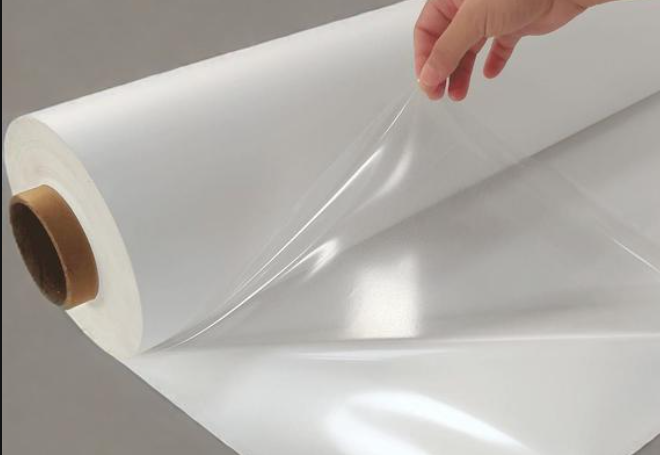
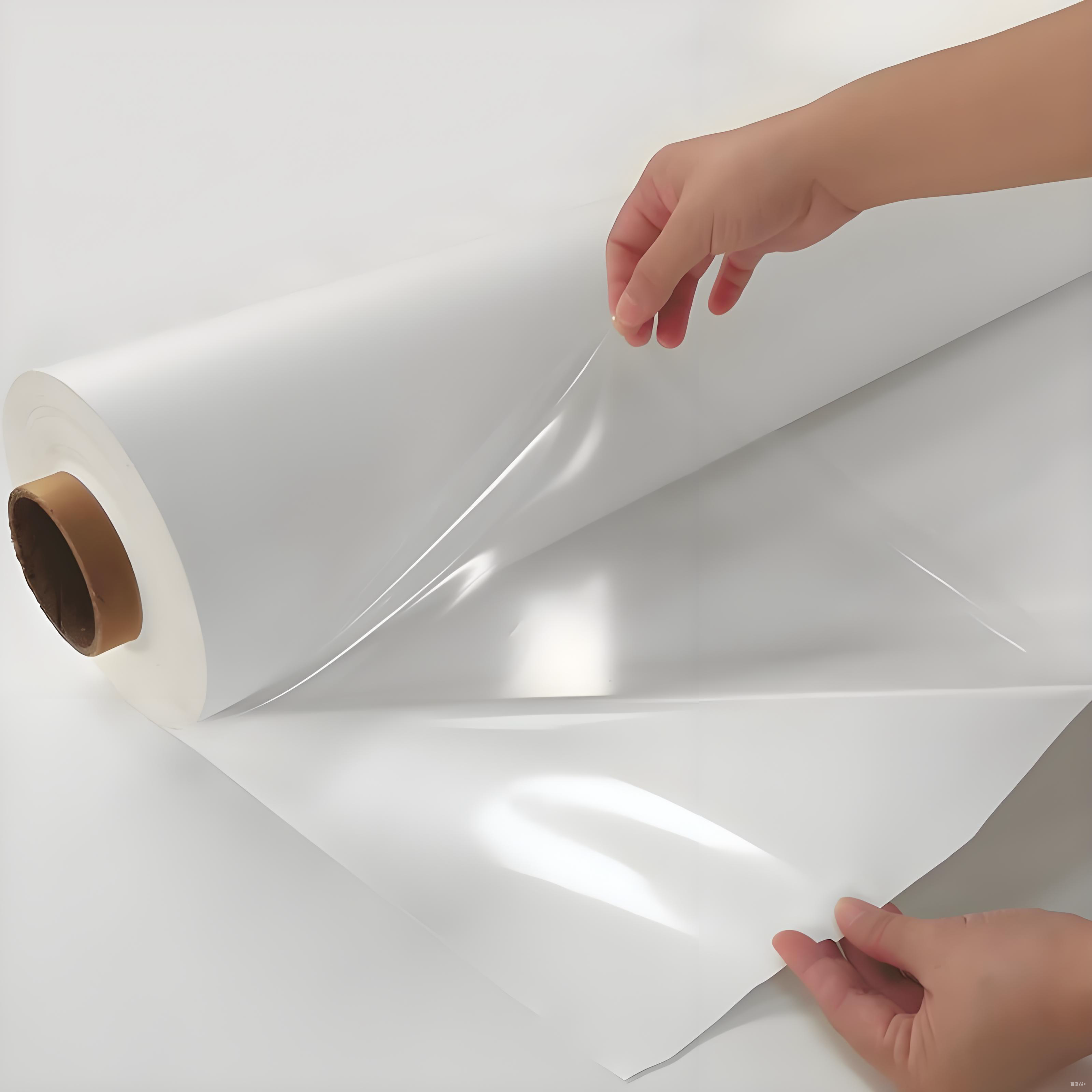
In the fast-evolving landscape of medical materials, few innovations have matched the quiet yet profound impact of thermoplastic polyurethane (TPU) films in wound care. While traditional dressings focused on absorption and basic protection, modern solutions demand flexibility, breathability, biocompatibility, and even transparency for monitoring wound healing. This is where Shanghai Xin Gen Tech Co., Ltd. (Xin Gen Tech), a pioneer in high-end TPU film development, is making waves.
Drawing from over 15 years of expertise in TPU research and production, Xin Gen Tech has tailored its materials to meet the exacting requirements of the medical industry. But to truly appreciate their offering, we need to look at the data, the technical differentiators, and how they stack up against other industry players.
1. The Science of Healing: Biocompatibility and Regulatory Compliance
The first and most non-negotiable requirement for any medical wound care material is biocompatibility. A film that causes irritation or fails to maintain a sterile barrier can delay recovery and increase infection risk.
What Xin Gen Tech brings: Their medical-grade TPU films are certified under ISO 9001:2015 and OHSAS 18001:2007, and have passed rigorous third-party testing from SGS, ROHS, REACH, FDA, and EU 10/2011. This is not just paperwork—it’s a promise of safety.
Real-world case: In a project for a Brazilian client requiring bulletproof glass lamination, Xin Gen Tech’s high-adhesion TPU film provided stable optical clarity and strong bonding between polycarbonate and glass. While that was for protective glass, the same principles of adhesion, clarity, and durability apply directly to medical wound dressings that need to stay in place while allowing visual inspection of the wound.
Practical takeaway: When selecting a supplier, verify that their TPU films have been tested for cytotoxicity, sensitization, and irritation. Xin Gen Tech’s compliance with FDA and EU food contact standards (EU 10/2011) suggests a level of purity and safety critical for skin contact.
2. Innovation in Functionality: Breathability, Waterproofing, and Self-Healing
Modern wound dressings are not just barriers—they are active participants in the healing environment. A TPU film must be waterproof to prevent external contamination, yet breathable to allow moisture vapor escape and prevent maceration.
Xin Gen Tech’s edge: Their TPU films are designed to be laminated with fabrics, achieving both waterproof and breathable properties. This is the same technology driving high-end outdoor apparel and athletic shoe cushioning.
For medical use: Imagine a dressing that is thin, flexible, and can self-heal minor scratches—similar to the materials used for phone screen protectors. This self-healing property, already proven in Xin Gen Tech’s electronics applications, reduces the need for frequent dressing changes and minimizes patient discomfort.
Data-backed performance: Their in-house laboratory equipment simulates mass production lines on a 1:1 scale, with a sample width of 400mm. This allows for fast prototyping and customization of thickness, hardness, and functional layers—key for developing specialized wound care products.
Practical takeaway: Ask your manufacturer for water vapor transmission rate (WVTR) data and hydrostatic pressure tests. Xin Gen Tech’s ability to tailor these parameters means you can develop a dressing that perfectly balances moisture management and barrier protection.
3. Speed to Market: The Sampling Advantage That Saves Months
One of the biggest hurdles in medical device development is the time it takes to move from concept to clinical trial. Traditional manufacturers often require large minimum orders and long lead times for samples, slowing innovation.
Xin Gen Tech’s approach: Their entire operation is built around rapid sample development. The company spans over 6,000 square meters in Shanghai, with a dedicated R&D center and product laboratory. They offer:
Fast sampling lead time
Low sampling cost
Stable and consistent sample quality
Support for customized thickness, hardness, and functional requirements
Why this matters: If you’re developing a new wound dressing, you need to test multiple formulations—different hardness for flexibility, different thickness for absorption, and different additives for antimicrobial properties. Xin Gen Tech can provide samples quickly that replicate real production conditions.
Real-world evidence: In the previously mentioned Brazilian lamination project, the client needed stable adhesion. Xin Gen Tech’s solution—a high-adhesion TPU film with stable optical clarity—successfully passed lamination testing and entered pilot production. This same speed is available for medical wound care applications.
Practical takeaway: Don’t settle for a manufacturer that takes months to send samples. Look for a partner like Xin Gen Tech that can customize sample parameters (hardness, thickness, functional layers) and deliver in weeks, enabling faster project evaluation and regulatory submission.
4. The Competitive Landscape: How Xin Gen Tech Compares
While several large chemical companies produce TPU materials, few offer the combination of medical-grade certification, fast sampling, and customization that Xin Gen Tech provides.
| Feature | Xin Gen Tech | Large Chemical Conglomerates (e.g., BASF, Covestro) | Niche Medical Film Specialists |
|---|
| Medical Certifications | ISO 9001, FDA, EU 10/2011, REACH | Yes, often more extensive | Varies; some lack full medical compliance |
| Sample Speed & Cost | Fast, low cost, customized | Slow, high minimums | Fast, but may lack production scalability |
| Customization Range | Thickness, hardness, adhesion, transparency | Broad but rigid supply chain | Often limited to standard offerings |
| Application Support | 1:1 production simulation lab | Centralized R&D, less access | Good support, smaller capacity |
My view: For a medical startup or an established device company looking to launch a new wound care product fast, Xin Gen Tech provides an unmatched balance of regulatory credibility and operational agility. Large conglomerates offer extensive certification but often in rigid product lines. Niche specialists may be flexible but lack the manufacturing depth of a 6,000 sqm facility with in-house R&D.
5. Where TPU Films Are Already Winning in Medical Wound Care
Xin Gen Tech’s applications span multiple industries, and the medical sector is a natural extension. Here’s how their TPU films are transforming wound care:
Wound Dressings: Medical-grade TPU films are used as the outer layer for advanced dressings, providing a waterproof barrier while allowing wound exudate to evaporate.
Medical Catheters and Tubes: Their biocompatible TPU is ideal for tubing that requires flexibility and resistance to kinking.
Surgical Drapes: Thin, transparent TPU films allow surgeons to see the operative area while maintaining a sterile field.
Adhesive Bandages: TPU-based adhesives provide strong yet gentle adhesion, reducing skin trauma upon removal.
The numbers tell the story: The global medical TPU film market is growing at a CAGR of over 8%, driven by demand for advanced wound care and wearable medical devices. Xin Gen Tech’s export success to international markets, including the US (with a sales branch in Los Angeles), positions them as a reliable global supplier.
6. Practical Steps for Wound Care Manufacturers
If you are sourcing TPU films for wound care products, here is a checklist of what to demand from your supplier:
Demand full certification documents: Request copies of FDA, REACH, and ISO certificates.
Request customized samples: Ask for samples with specific hardness (Shore A values) and thicknesses relevant to your dressing design.
Verify production scalability: Ensure the sample quality matches production capabilities—Xin Gen Tech’s 1:1 simulation setup guarantees this.
Test for long-term stability: Accelerated aging tests should be performed on the TPU film to ensure it maintains barrier integrity over the planned shelf life.
Evaluate technical support: A good supplier will offer professional guidance during sampling and pilot production.
Final thought: The wound care market is moving towards smarter, more patient-friendly materials. TPU films, especially those from specialized manufacturers like Xin Gen Tech, offer a clear path to differentiation. Don’t just buy a film—invest in a partnership that brings lab-to-production speed, regulatory confidence, and material innovation. Your patients and your bottom line will thank you.