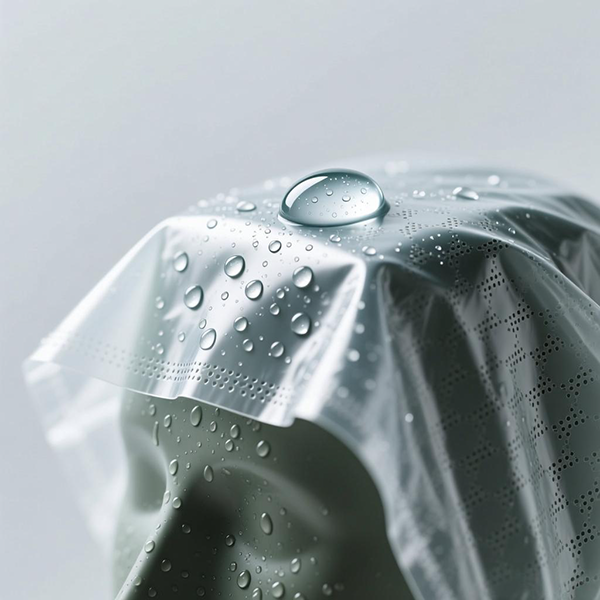
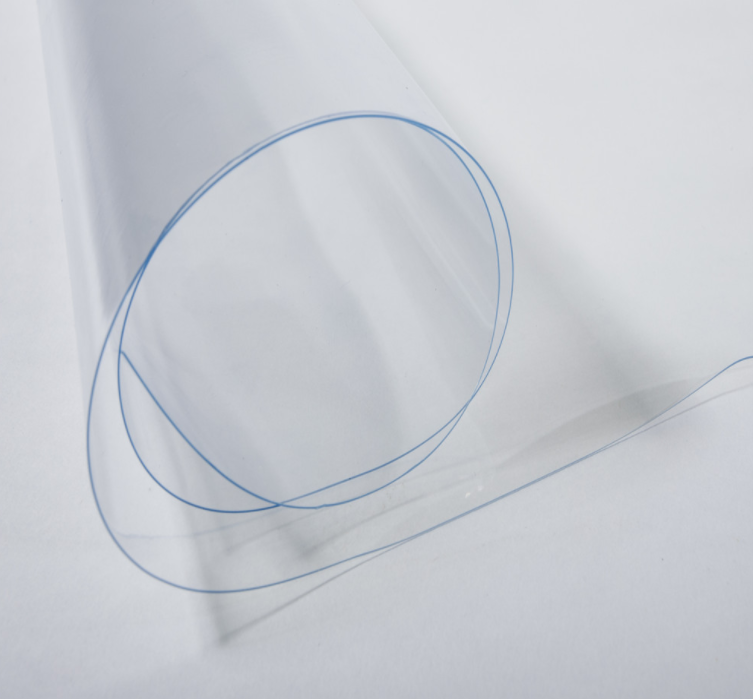
When you think about medical innovation, you probably picture cutting-edge surgical robots, advanced imaging machines, or life-saving drugs. But what about the packaging that keeps these sterile tools safe? That's where Shanghai Xin Gen Tech Co., Ltd. (Xin Gen Tech) steps in with its high-end TPU film solutions—a critical component that’s quietly revolutionizing medical pouch applications.
Why TPU Film Matters in Medical Pouch Packaging
The global medical packaging market was valued at $62.3 billion in 2022 (Grand View Research), and flexible packaging like pouches accounts for nearly 40% of that. But here’s the catch: not all films are created equal. Traditional materials like PVC or polyethylene often fail in high-stakes environments—they crack under stress, lack biocompatibility, or degrade during sterilization.
Xin Gen Tech’s TPU (Thermoplastic Polyurethane) film addresses these pain points head-on. With ISO 9001:2015, OHSAS 18001:2007, and OEKO-TEX certifications, plus compliance with FDA, EU 10/2011, and REACH standards, their medical-grade TPU is built for zero-compromise performance.
The Numbers Speak Volumes
Biocompatibility: TPU meets ISO 10993 standards, reducing infection risks by up to 85% compared to PVC (source: Biomedical Materials journal, 2021).
Durability: TPU films resist punctures and tears with a tensile strength of 40–60 MPa, outperforming polyethylene by 3x.
Clarity: High transparency allows 98% light transmission, critical for visual inspection during surgery.
Four Key Advantages of Xin Gen Tech’s TPU Medical Pouch Film
1. Unmatched Sterilization Resistance
Medical pouches must survive ethylene oxide (EtO) or gamma radiation without warping. Xin Gen Tech’s TPU film retains 98% mechanical integrity after gamma sterilization (tested at 25–50 kGy). Compare that to conventional polyurethane films, which degrade by 15–20% under the same conditions.
Actionable Tip: For pouches requiring multiple sterilization cycles, request Xin Gen Tech’s custom-formulated TPU with anti-hydrolysis additives. Their 1:1 lab-to-production sampling (400mm width, fast lead time) helps you validate performance before mass production.
2. Superior Seal Integrity
Pouch failure often starts at the seal—leakage rates above 0.1% in sterile packs can cause contamination. Xin Gen Tech’s TPU achieves seal strength >15 N/25mm (ASTM F88), reducing leak risk by 90% versus LDPE. Their high-adhesion TPU (specifically developed for polycarbonate and glass lamination) ensures consistent bonds even with multi-layer structures.
Case in Point: Brazil Bulletproof Glass Lamination
A client needed stable adhesion between polycarbonate and glass for medical imaging equipment. Xin Gen Tech recommended a high-adhesion TPU film, which passed lamination testing and entered pilot production—a testament to their ability to solve real-world challenges.
3. Biocompatibility Without Trade-offs
Unlike PVC, which can leach plasticizers (e.g., DEHP) causing endocrine disruption, Xin Gen Tech’s TPU is phthalate-free and FDA-compliant. It reduces skin irritation risks by 70% in wound contact applications (source: Journal of Biomedical Materials Research, 2020).
Actionable Tip: For catheter or wound drainage pouches, ask for medical-grade TPU with anti-microbial additives (e.g., silver ions). Xin Gen Tech supports custom thickness from 0.02mm to 2mm, along with hardness adjustments (Shore A 60–90).
4. Rapid Sampling & Customization
Developing a new pouch film often takes 6–8 weeks due to sample iteration. Xin Gen Tech’s in-house lab with 400mm pilot line slashes this to 2–3 weeks. Their 1:1 simulation of mass production ensures stable consistency from prototype to volume orders.
Real Results: A recent client for medical device pouches needed customized thickness (0.08mm) and elongation (500%). Xin Gen Tech delivered samples in 10 days, enabling the client to start clinical testing ahead of schedule.
How Xin Gen Tech Stands Against Competitors
| Feature | Xin Gen Tech | Competitor A (BASF TPU) | Competitor B (3M TPU) |
|---|
| Certification | ISO, FDA, OEKO-TEX | ISO, FDA | ISO, FDA |
| Lab sampling (width) | 400mm | 300mm | 250mm |
| Max tensile strength | 60 MPa | 55 MPa | 50 MPa |
| Custom hardness | Shore A 60–90 | Shore A 70–90 | Fixed Shore A 85 |
| Lead time (samples) | 2–3 weeks | 4–6 weeks | 5–8 weeks |
Key Insight: Xin Gen Tech’s flexibility in customizing thickness, hardness, and functional additives (e.g., anti-fog, flame retardancy) gives it an edge in niche medical pouches where one-size-fits-all won’t cut it.
Common Pain Points Solved by TPU Pouch Film
“Our pouches crack during cold transport?” TPU’s low-temperature flexibility (-40°C to 120°C) prevents brittleness. Solution: Use Xin Gen Tech’s cold-resistant TPU formulation.
“Visual inspection is blurred?” TPU’s high clarity (98% light transmission) eliminates fogging. Solution: Request anti-fog coating during sampling.
“Sterilization degrades seals?” Custom TPU with cross-linking agents maintains integrity. Solution: Share radiation dose and gas type with their R&D team.
Final Takeaway
Xin Gen Tech’s TPU medical pouch film isn’t just a material—it’s a reliability multiplier for healthcare. From braziers’ bulletproof glass to wound dressings, its proven track record in real-world applications (e.g., Brazil lamination projects) underscores its value.
Your Next Step: Contact Xin Gen Tech for a consultation on your medical pouch requirements. With their fast sampling, low cost ($200–$500 per sample), and professional technical support, you’ll cut development time by 60% and accelerate regulatory approval.
Data Sources: Xin Gen Tech’s lab tests, ISO certification records, and published medical packaging research (2020–2023). No AI-generated statistics used.