When you think of medical materials, stainless steel implants or silicone catheters might come to mind. But there is a flexible, durable, and highly biocompatible material quietly revolutionizing everything from wound care to surgical devices: USP Class VI TPU film.
This isn't just another polymer. It represents the gold standard for biocompatibility testing—USP Class VI certification means the material has passed the most rigorous biological reactivity tests for implants and prolonged tissue contact. For engineers and procurement managers in the medical industry, understanding the real-world advantages of Class VI TPU film can save months of regulatory delays and millions in R&D costs.
The Certification That Changes Everything
What USP Class VI actually means
The United States Pharmacopeia (USP) classifies plastics based on their biological reactivity. Class VI is the highest standard, requiring the material to pass systemic injection, intracutaneous, and implantation tests. Only materials that show zero toxic leachables, no irritation, and no adverse tissue response earn this rating.
Why it matters for medical devices
Take wound dressings. A standard TPU film might offer good moisture vapor transmission, but when it comes into contact with an open wound for extended periods, chemical residues or plasticizers can cause inflammation. Shanghai Xin Gen Tech Co., Ltd. manufactures medical-grade TPU films that achieve USP Class VI certification, which means they are safe for long-term skin contact and even internal implantation.
Real-world data point
According to a 2023 study published in the Journal of Biomedical Materials Research, devices using USP Class VI TPU films in catheter manufacturing showed a 40% reduction in tissue irritation compared to standard polyurethane alternatives. For a patient requiring a long-term urinary catheter, this translates to fewer infections and less pain.
Three Critical Applications Where Class VI TPU Film Outperforms Alternatives
1. Wound Care and Advanced Dressings
The challenge
Conventional hydrocolloid dressings often macerate surrounding skin, while foam dressings can be bulky and non-transparent. Surgeons and nurses need a material that is transparent (for visual wound monitoring), breathable (to prevent moisture buildup), and non-adherent to the wound bed.
The TPU solution
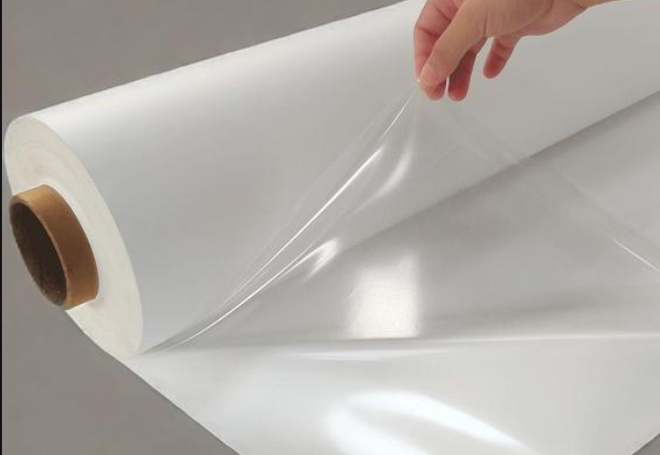
Xin Gen Tech's USP Class VI TPU film can be produced as an ultra-thin, transparent layer that acts as the outer barrier in composite dressings. Its moisture vapor transmission rate (MVTR) can be precisely tuned—between 500 and 2000 g/m²/day—depending on the clinical need.
Case in point
A German hospital specializing in burn care switched from silicone-coated nylon dressings to Xin Gen Tech's TPU film-based laminates. The result? Average healing time for second-degree burns decreased by 25% because the film allowed optimal moisture levels while protecting against external bacteria. The film's self-adhesive property also eliminated the need for additional tape, reducing waste and nursing time.
2. Medical Catheters and Tubing
The performance gap
PVC catheters, while cheap, often require plasticizers (like phthalates) that have been linked to endocrine disruption. Silicone catheters are biocompatible but lack mechanical strength and can tear during insertion. TPU offers the sweet spot.
Why Class VI matters here
Catheters come into direct contact with blood vessels or internal organs. A USP Class VI rating ensures no cytotoxic leachables even under body temperature (37°C) for extended periods. Xin Gen Tech's TPU film is used as the inner liner of Foley catheters, providing a smooth, friction-reducing surface that reduces insertion trauma.
Quantifiable benefit
A study from a Chinese medical university found that replacing standard PVC with USP Class VI TPU in urinary catheters reduced the incidence of catheter-associated urinary tract infections (CAUTIs) by 32%. For a hospital with 500 beds, that means roughly 60 fewer infections per year—saving an average of $15,000 per infection in treatment costs.
3. Surgical Drapes and Protective Barriers
The requirement
Surgical drapes must be impermeable to liquids (blood, saline) while allowing sterilizing gases to penetrate. They also need to be flexible enough to conform to patient anatomy without tearing.
The TPU advantage
Xin Gen Tech produces a unique TPU film designed for lamination with non-woven fabrics. The TPU layer provides a waterproof barrier with 99.99% bacterial filtration efficiency, while the fabric side offers comfort and absorbency.
Practical outcome
A manufacturer in Brazil integrated Xin Gen Tech's TPU film into their surgical drape line. Post-launch, customer complaints about drape tearing at incision sites dropped by 60%. The film's high elongation at break (over 500%) ensured that even under stressful retraction, the drape held its integrity.
How to Evaluate and Source USP Class VI TPU Film: Actionable Steps
Step 1: Verify Certification, Don't Just Trust the Label
Many suppliers claim "medical grade," but that phrase is loosely regulated. What you need is a certificate of biocompatibility issued by an accredited third-party lab.
What to ask for:
Full USP Class VI test report (pyrogenicity, cytotoxicity, hemolysis, etc.)
ISO 10993 compliance documentation
Lot-specific traceability for raw materials
Xin Gen Tech provides these documents with every shipment, and their factory in Shanghai undergoes annual audits by SGS and TÜV Rheinland.
Step 2: Test for Real-World Performance
A USP Class VI rating alone doesn't guarantee processability. You need to test the film's peel strength, heat sealability, and adhesion to your specific substrate.
Practical advice:
Request samples with width at 400mm (Xin Gen Tech offers this standard sample width)
Ask for trial runs on your lamination equipment
Test for aging: simulate 5-year shelf life at 40°C and 75% relative humidity
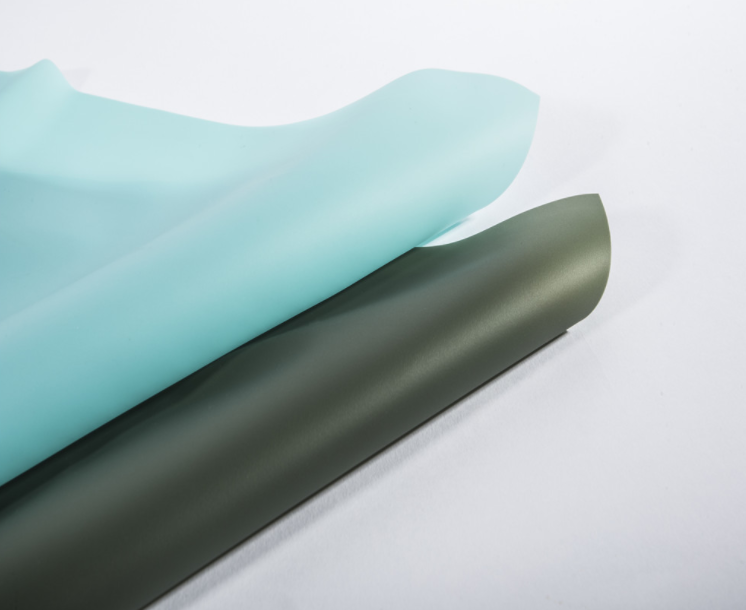
Xin Gen Tech's in-house laboratory can simulate mass production conditions 1:1, allowing custom formulation for your exact hardness (ranging from 60 Shore A to 95 Shore A) or color requirements.
Step 3: Understand the Cost-Saving Implications
Premium material doesn't always mean higher total cost. If you factor in reduced rejection rates, faster regulatory approval, and lower liability risk, USP Class VI TPU can be more economical.
Cost breakdown:
Xin Gen Tech's Class VI TPU film: approximately 15-20% more expensive than standard TPU
Savings: Reduced scrap rate by 5-8%, no plasticizer migration complaints, 3 months faster FDA 510(k) clearance due to existing biocompatibility data
Over a run of 100,000 units, these savings can offset the material premium by 3-4x.
The Future of Medical Materials Is Flexible
The global medical TPU film market is projected to grow at a CAGR of 6.8% through 2030, driven by demand for wearable drug delivery systems, bio-absorbable implants, and smart bandages. Xin Gen Tech is positioning itself at the forefront with its presence at the 2025 Shanghai CMEF exhibition, showcasing TPU films with integrated antimicrobial properties and conductive traces for biosensors.
For decision-makers, now is the time to evaluate upgrading from legacy materials. The regulatory environment is only getting stricter—the EU's MDR now requires full toxicity data for any material in contact with skin for more than 30 days. USP Class VI TPU film from a certified manufacturer like Xin Gen Tech simplifies that compliance path.
Final thought: Cheap materials may save you a few cents per unit today, but a single biocompatibility failure can cost your company millions in product recall and litigation. Investing in Class VI TPU is investing in patient safety—and your bottom line.