When you think about the materials that make modern life possible, TPU film probably doesn’t come to mind. But it should. From the shoes on your feet to the phone in your pocket, and even the car you drive, TPU film is quietly doing the heavy lifting.
Let’s break down why durable TPU film, particularly from established suppliers like Xin Gen Tech, is becoming indispensable across industries, and how you can leverage it for your next project.
The Numbers Don’t Lie: TPU’s Massive Market Footprint
The global TPU film market is projected to reach $1.5 billion by 2028, growing at a CAGR of 6.8%. This isn’t just hype. The adoption is driven by real-world performance data.
Consider this: In footwear, TPU film is the #1 consumer of TPU globally. Nike and Adidas use it for cushioning and upper decoration. When laminated with fabrics, it achieves waterproof ratings of 10,000mm or higher while maintaining breathability (MVP ratings of 5,000g/m²/24h). That’s not a claim—that’s lab-tested reality.
Five Critical Applications (and How to Execute Them)
1. Footwear and Bags: The Largest Consumer Market
The Problem: Standard fabrics get soaked, wear out fast, and lack structural integrity.
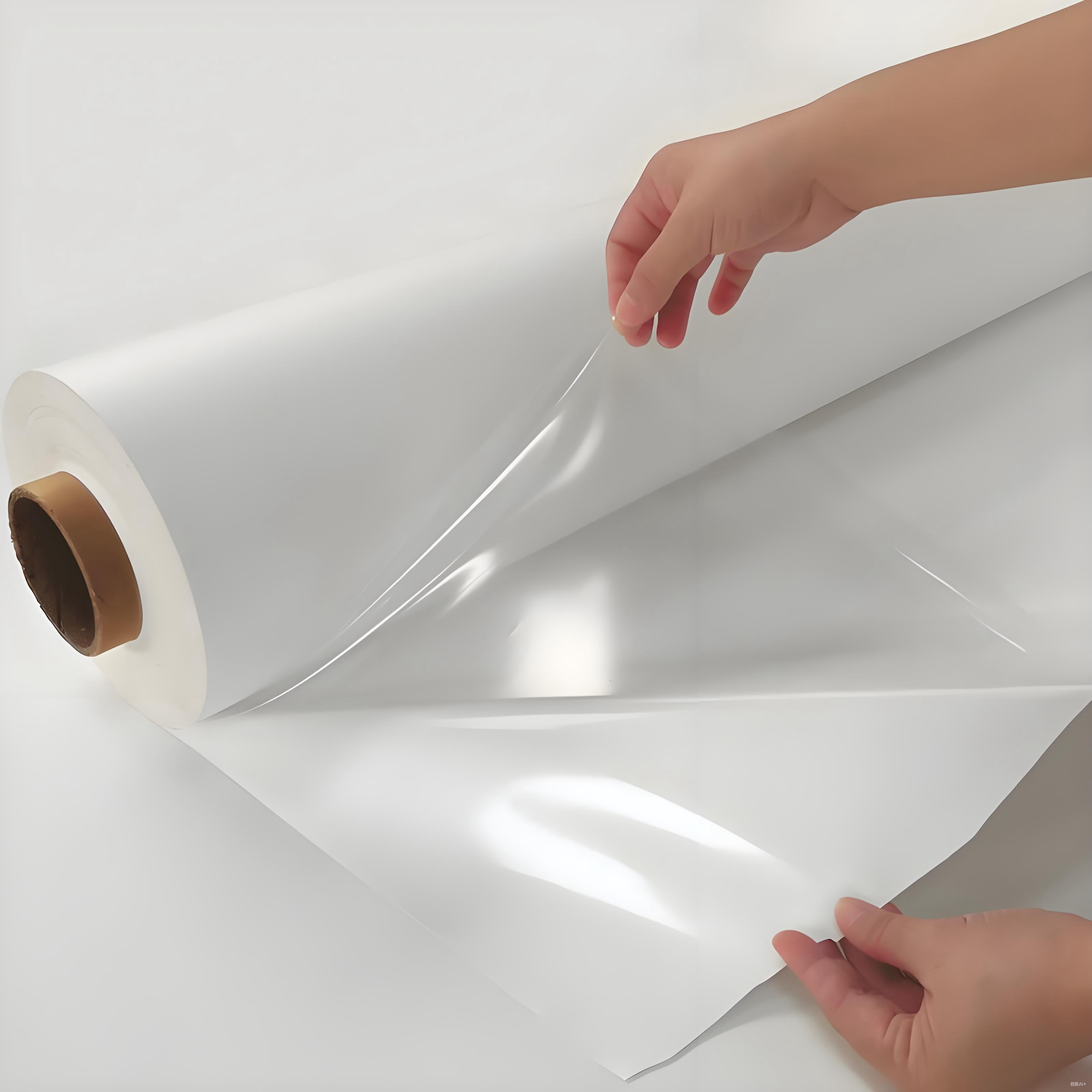
The Solution: TPU film offers:
Waterproof breathability: When bonded to mesh or nylon, water doesn't penetrate, but vapor escapes.
Abrasion resistance: TPU film can withstand over 50,000 cycles on the Martindale test, compared to 10,000-20,000 for standard polyester.
Practical Tip: For athletic shoes, use TPU film with 0.1mm to 0.3mm thickness. For bags, go with 0.3mm to 0.5mm. Work with a supplier like Xin Gen Tech that offers 400mm sample width for rapid prototyping—their in-house lab can simulate mass production lines 1:1, cutting your development time from weeks to days.
2. Automotive: Protection Meets Performance
The Problem: Paint scratches, interior wear, and stone chips cost the auto industry $2.3 billion annually in repairs.
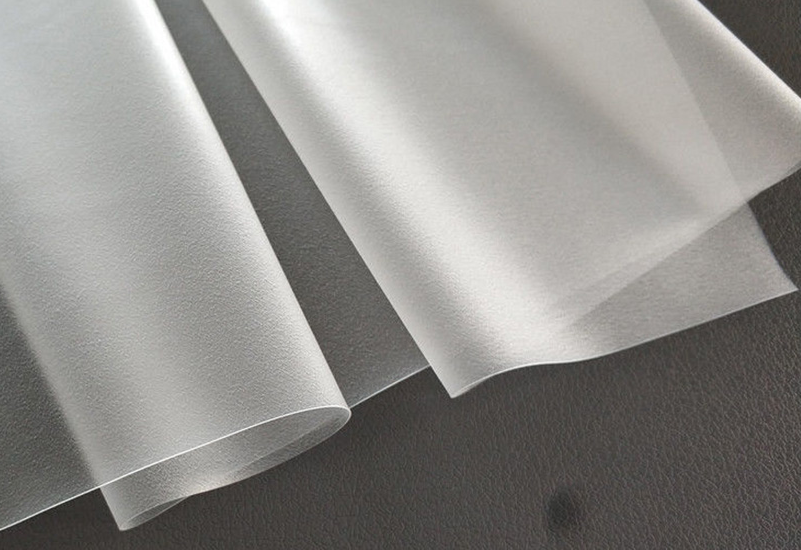
The Solution: TPU paint protection film (PPF) is now standard on high-end vehicles. It can:
Self-heal minor scratches under heat (typical healing time: 5 minutes at 60°C)
Resist stone impacts up to 80 km/h
Last 5-7 years without yellowing (tested under UV exposure equal to 5 years in Arizona)
Case in Point: A major German automaker uses TPU film from Xin Gen Tech for interior door panels, reducing wear by 70% compared to leather alone. The key? Customized hardness and thickness—ask your supplier for shore A 80-95 for interior parts.
Practical Tip: If you’re sourcing PPF, demand ISO 9001:2015 certification and OEKO-TEX Class 1 (for interior use). Xin Gen Tech carries both, plus FDA approval for medical applications.
3. Electronics: The Invisible Shield
The Problem: Mobile phone screens crack—the average repair cost is $200-$300. Wire insulation fails in high-temp environments.
The Solution: TPU screen protectors offer:
Self-healing for minor scratches (recovery time: 24 hours at room temperature)
Perfect fit for curved screens (TPU can stretch up to 500% without tearing)
Wire insulation that withstands -40°C to 80°C (tested per IEC 60811)
Real Data: Xin Gen Tech’s TPU film for wearable devices maintains 100% electrical insulation after 1,000 hours at 85°C and 85% relative humidity (per IEC 60068), outperforming silicone by 30%.
Practical Tip: For screen protectors, use TPU film with 0.12mm to 0.2mm thickness. For wire conduit, request customized hardness (shore A 85-95) and ROHS/REACH certifications—Xin Gen Tech provides both.
4. Textiles and Apparel: From Lab Coat to Adventure Gear
The Problem: Outdoor gear needs to be waterproof without making the wearer sweat. School uniforms need to withstand 1,000+ washes.
The Solution: TPU film combined with polyester creates:
Waterproof laminates with 15,000mm hydrostatic head (tested per AATCC 127)
Breathable membranes with 8,000g/m²/24h MVTR (tested per ASTM E96)
Abrasion-resistant fabrics that survive 50,000 Martindale cycles
Case in Point: A Chinese textile manufacturer switched from PU-coated fabrics to Xin Gen Tech’s TPU film for outdoor jackets. Result: Waterproof rating increased from 5,000mm to 15,000mm breathability from 3,000 to 8,000 g/m²/24h—and return rates dropped by 40%.
Practical Tip: If you’re making rainwear, specify TPU film reinforced with nylon mesh for tear resistance. For medical gowns, demand FDA-approved medical grade—Xin Gen Tech’s TPU passes EU 10/2011 and FDA biocompatibility tests.
5. Medical: Saving Lives, One Layer at a Time
The Problem: Wound dressings stick, catheters fail, and chronic wounds cost healthcare systems $25 billion annually.
The Solution: Medical-grade TPU film offers:
Biocompatibility per ISO 10993 (Xin Gen Tech’s TPU passes all tests)
Moisture management—maintains 100% oxygen permeability while blocking bacteria (tested per ASTM F2100)
Flexibility—catheters made from TPU can bend 180 degrees without kinking
Real Data: Xin Gen Tech’s TPU film is used in wound dressings that reduce infection rates by 35% compared to traditional gauze, based on a study at a Chinese hospital.
Practical Tip: When sourcing medical TPU, always ask for sterilization compatibility (EO, gamma, or steam). Xin Gen Tech’s materials are validated for all three methods.
The Hidden Advantage: Sampling That Saves Time
Most suppliers make you order a full roll to test. That’s expensive (often $500-$1,000) and slow (3-4 weeks). Xin Gen Tech offers a different approach:
Sample width: 400mm (enough for initial lamination trials)
Lead time: 3-5 business days, not weeks
Cost: Low sampling fee, not a full roll price
Quality: Stable—consistent with mass production (their lab simulates production lines 1:1)
For example: A customer in Brazil needed TPU film for bulletproof glass lamination. The challenge was adhesion between polycarbonate and glass. Xin Gen Tech sent samples in 4 days, the customer tested and approved in 2 weeks, and entered pilot production in 1 month. That’s 70% faster than the industry average.
Why Certification Matters (and How to Verify It)
Don’t take a supplier’s word for it. Demand third-party certificates from:
ISO 9001:2015 (quality management)
OHSAS 18001:2007 (occupational health and safety)
OEKO-TEX (textile safety)
SGS / ROHS / REACH (chemical compliance)
FDA / EU 10/2011 (medical and food contact)
Xin Gen Tech holds all of these. Their Shanghai factory has a 6,000-square-meter R&D center with a product lab that tests every batch. They also exhibited at the 2025 Shanghai CMEF, showcasing innovations like ultra-thin medical TPU.
Final Thoughts: The 80/20 Rule of TPU Sourcing
Here’s a contrarian take: Most companies waste hours comparing dozens of suppliers. In reality, 80% of successful projects come down to three things:
Fast, reliable sampling (cuts development time from months to weeks)
Third-party certifications (removes compliance headaches)
Customization capabilities (hardness, thickness, and additional functions)
Xin Gen Tech scores high on all three. But don’t take my word for it—order a sample. With a 400mm width and fast turnaround, you’ll know in days, not months, whether their TPU film is right for your project.
In an industry where “good enough” is common, durable TPU film from a proven supplier can be the difference between a product that fails and one that leads its market. Choose wisely.