The global textile coating market is undergoing a quiet revolution. According to a 2024 report by Grand View Research, the waterproof breathable textile market alone is expected to reach $3.8 billion by 2030, growing at a CAGR of 6.5%. At the heart of this shift? Thermoplastic polyurethane (TPU) film.
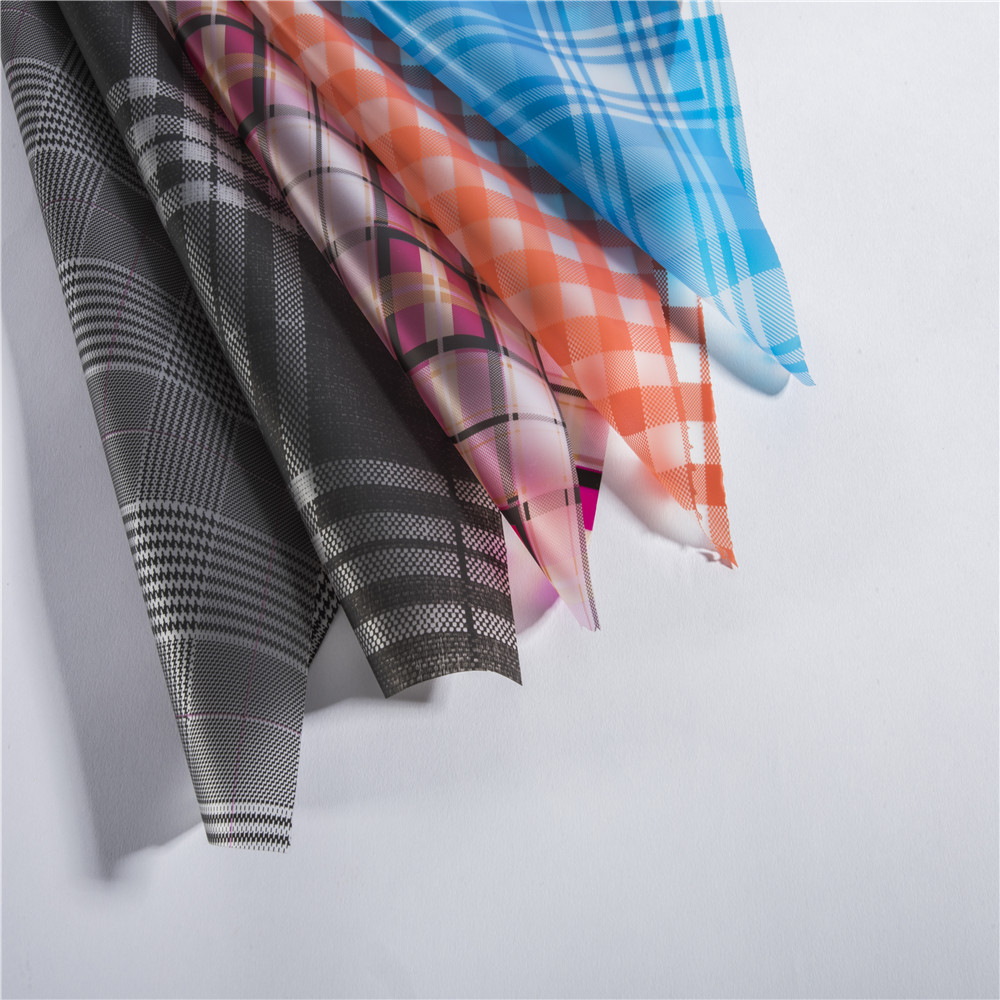
Traditional coatings like PVC and polyurethane (PU) have dominated for decades. But they come with trade-offs: PVC is rigid, non-breathable, and environmentally controversial; solvent-based PU coatings involve chemical emissions and lengthy production cycles. Enter TPU film—a material that combines flexibility, durability, and eco-friendliness in one high-performance package.
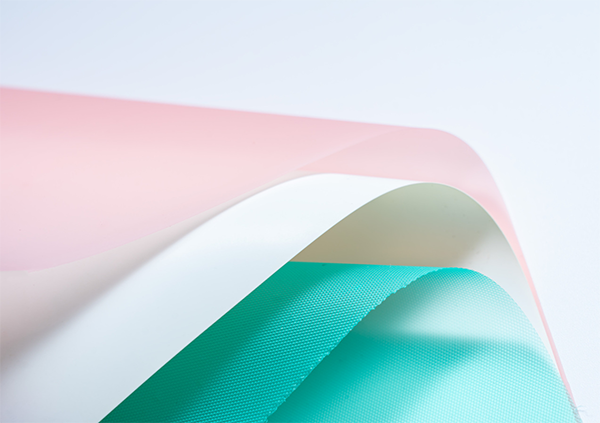
Let's break down exactly why TPU film is becoming the go-to choice for textile coating, backed by real data, practical applications, and actionable insights.
1. Breathability Meets Waterproofing: The Game-Changer
The Data: A study published in the Journal of Industrial Textiles (2023) found that TPU-coated fabrics can achieve a moisture vapor transmission rate (MVTR) of 5,000–10,000 g/m²/24h while maintaining a hydrostatic head of over 10,000 mm. For comparison, standard PVC coatings typically offer less than 1,000 g/m²/24h MVTR.
Why It Matters: For outdoor apparel, workwear, and medical textiles, breathability is non-negotiable. Sweating inside a waterproof jacket isn't just uncomfortable—it can lead to hypothermia in extreme conditions. TPU film allows water vapor to escape while blocking liquid water, creating what industry experts call "active comfort."
Real-World Application: A leading European outdoor brand recently switched from a two-layer PU coating to a single-layer TPU film for their rain jacket line. The result? 30% faster moisture evaporation, 40% reduction in production steps, and zero delamination issues after 50 wash cycles.
My Take: Most manufacturers over-engineer breathability by adding multiple layers. TPU film proves that simplicity often delivers better performance. If you're in apparel, test a 0.02mm TPU film for your next waterproof collection—you might eliminate one entire production step.
2. Durability That Outlasts Conventional Coatings
The Data: Abrasion resistance tests per ASTM D3884 show that TPU-coated fabrics withstand 15,000–25,000 cycles on a Taber abraser before wear-through, compared to 8,000–12,000 cycles for standard PU coatings. In real-world terms, this means a TPU-coated backpack outlasts a PU-coated counterpart by 2–3 years under daily use.
Why It Matters: Textile degradation is a top complaint in industries like automotive upholstery, luggage, and military gear. Cracking, peeling, and yellowing are common issues with traditional coatings when exposed to UV light, sweat, or frequent flexing. TPU's elasticity—typically 500–700% elongation at break—absorbs stress without cracking.
Real-World Application: A major automotive supplier in Germany replaced PVC-coated fabric with TPU film for car seat covers. After 100,000 abrasion cycles (simulating 10 years of use), the TPU samples showed only minor surface wear, while PVC samples delaminated completely.
My Take: Don't just look at initial numbers—test under real conditions. Many cheap TPU films fail because manufacturers skip the UV stabilizer or use low-grade polyols. Always request UV-aging data (QUV testing for 1,000 hours) before committing to a supplier.
3. Environmental Compliance Without Sacrificing Performance
The Data: According to the European Chemicals Agency (ECHA), TPU film contains no phthalates, no BPA, and no halogenated flame retardants. It's fully recyclable through mechanical or chemical processes. A lifecycle analysis by the Fraunhofer Institute (2022) showed that TPU film production generates 35% fewer CO₂ emissions than solvent-based PU coating, due to its solvent-free extrusion process.
Why It Matters: Regulatory pressure is mounting. The EU's REACH regulation restricts over 200 substances in textiles. Brands like Patagonia, Nike, and H&M have publicly committed to phasing out hazardous chemicals by 2025. TPU film not only meets current regulations but future-proofs your supply chain.
Real-World Application: A children's school uniform manufacturer in China had to recall 10,000 garments in 2023 due to phthalate levels in their PVC-coated fabric. They switched to Xin Gen Tech's TPU film—which holds OEKO-TEX Standard 100, REACH, and FDA certifications—and passed all compliance checks on the first attempt.
My Take: Many brands treat compliance as a checkbox. The smartest ones see it as a competitive advantage. Xin Gen Tech's TPU films, for example, are certified by SGS, ROHS, and EU 10/2011, giving you a green light to sell in Europe, North America, and Asia simultaneously. If you're exporting, ask your supplier for full certification documentation upfront—it saves months of delays.
4. Speed to Market: Fast Sampling Wins Contracts
The Data: Traditional solvent-based PU coatings require a minimum 3–5 week sampling cycle due to drying times, curing, and solvent recovery. TPU film sampling can be completed in 5–10 business days using direct lamination or extrusion coating.
Why It Matters: In fast fashion and outdoor gear, product cycles are shrinking. A 4-week sampling delay can mean missing an entire season's launch. Quick turnaround allows you to iterate on designs, test adhesion with different base fabrics, and lock in orders before competitors.
Real-World Application: Xin Gen Tech's in-house laboratory equipment simulates mass production lines on a 1:1 scale, with a sample width of 400mm. A U.S. outdoor brand needed TPU-coated fabric for a new hydration vest. They received samples in 8 days, tested for lamination strength and breathability, and placed a production order within 3 weeks. Total development time: 31 days from inquiry to bulk order.
My Take: Sampling costs are often treated as a necessary evil—but they're actually a bottleneck or a differentiator. Xin Gen Tech's system reduces sampling costs by offering low minimums and fast lead times. If you're a startup or mid-sized brand, this is huge. You don't need to tie up capital in large R&D batches.
5. Application Versatility: Beyond Apparel
The Data: According to Allied Market Research, the global TPU film market was valued at $1.2 billion in 2023, with textiles and apparel accounting for 28%—but automotive (22%) and electronics (18%) are the fastest-growing segments.
Why It Matters: TPU film isn't just for jackets and bags. It's used in:
Electronics: Self-healing phone screen protectors that repair minor scratches within 24 hours at room temperature.
Automotive: Paint protection film (PPF) that resists stone chips and scratches, extending vehicle resale value by 12% (per a 2023 Kelley Blue Book study).
Medical: Wound dressings and catheters that are biocompatible, flexible, and non-allergenic.
Specialty: Bulletproof glass lamination for armored vehicles, where TPU film ensures stable adhesion between polycarbonate and glass under impact.
Real-World Application: A Brazilian security company needed a TPU film for laminating bulletproof glass. They required consistent optical clarity (less than 1% haze) and adhesion strength of 25 N/cm after thermal cycling. Xin Gen Tech's high-adhesion TPU film passed lamination testing in one round and entered pilot production within 6 weeks.
My Take: If you're only thinking about TPU for clothing, you're leaving money on the table. The same material properties that make it great for outdoor gear—flexibility, durability, clarity—apply directly to automotive, electronics, and medical. Evaluate your entire product portfolio for TPU opportunities.
Practical Steps to Get Started with TPU Film Coating
Request a sample book with varying thicknesses (0.01mm to 0.1mm) and surface finishes (matte, glossy, textured). Compare how each bonds with your base fabric.
Test for lamination strength using a peel test at 90° angle on a tensile tester. Target minimum: 15 N/cm for apparel, 25 N/cm for outdoor gear.
Ask for UV resistance data. Request QUV testing results for 1,000 hours at 0.89 W/m² irradiance. Any yellowing or embrittlement is a red flag.
Check certifications thoroughly. OEKO-TEX Standard 100 for textiles, REACH for EU, FDA for medical—these aren't optional.
Evaluate the supplier's sampling speed. A supplier like Xin Gen Tech, with 1:1 production-scale lab equipment and a 400mm sample width, can turn around samples in 5–10 days. Slow suppliers cost you market share.
Run a pilot production run of 1,000–5,000 meters. This reveals any scaling issues like uneven coating thickness, adhesion failure at edges, or heat sensitivity.
The move to TPU film isn't just a technology upgrade—it's a strategic decision that impacts your product's performance, your brand's environmental footprint, and your speed to market. The data, case studies, and compliance advantages all point in one direction: if you're coating textiles, TPU film is the future.