In today’s competitive materials industry, technical specifications alone no longer seal the deal. The difference between a forgotten vendor and a trusted partner often comes down to one thing: customer support. For industries relying on thermoplastic polyurethane (TPU) films—from medical devices to automotive protection—responsive, knowledgeable support can save months of development time and thousands of dollars in trial costs.
Let me break down why combining high-end TPU production with exceptional customer service is a game-changer, and what you should look for in a supplier.
The Hidden Cost of Slow Support
Consider this: a footwear company developing a new line of waterproof hiking boots needs TPU film with specific breathability and abrasion resistance. They send specifications to three suppliers. One responds in 48 hours with a generic catalog. Another takes a week to acknowledge the inquiry.
The third—Xin Gen Tech, a Shanghai-based manufacturer established in 2009—responds within hours, offering to produce a 400mm-wide sample using their in-house laboratory equipment that mimics mass production lines at a 1:1 ratio.
The result? The footwear company tests the sample, validates it in three weeks, and moves to pilot production. The other two suppliers? They lost the account before they even started.
The takeaway: Fast sampling is not a luxury—it is a competitive necessity. When evaluating TPU film producers, ask:
What is your typical sample turnaround time?
Do you have in-house lab equipment that replicates production conditions?
Can you customize thickness, hardness, and functional properties for early-stage testing?
Case Study: TPU Film for Bulletproof Glass in Brazil
Let’s look at a real-world scenario. A Brazilian client needed TPU film for laminating polycarbonate and glass in bulletproof applications. The challenge was achieving stable adhesion while maintaining optical clarity—a tricky balance even for experienced laminators.
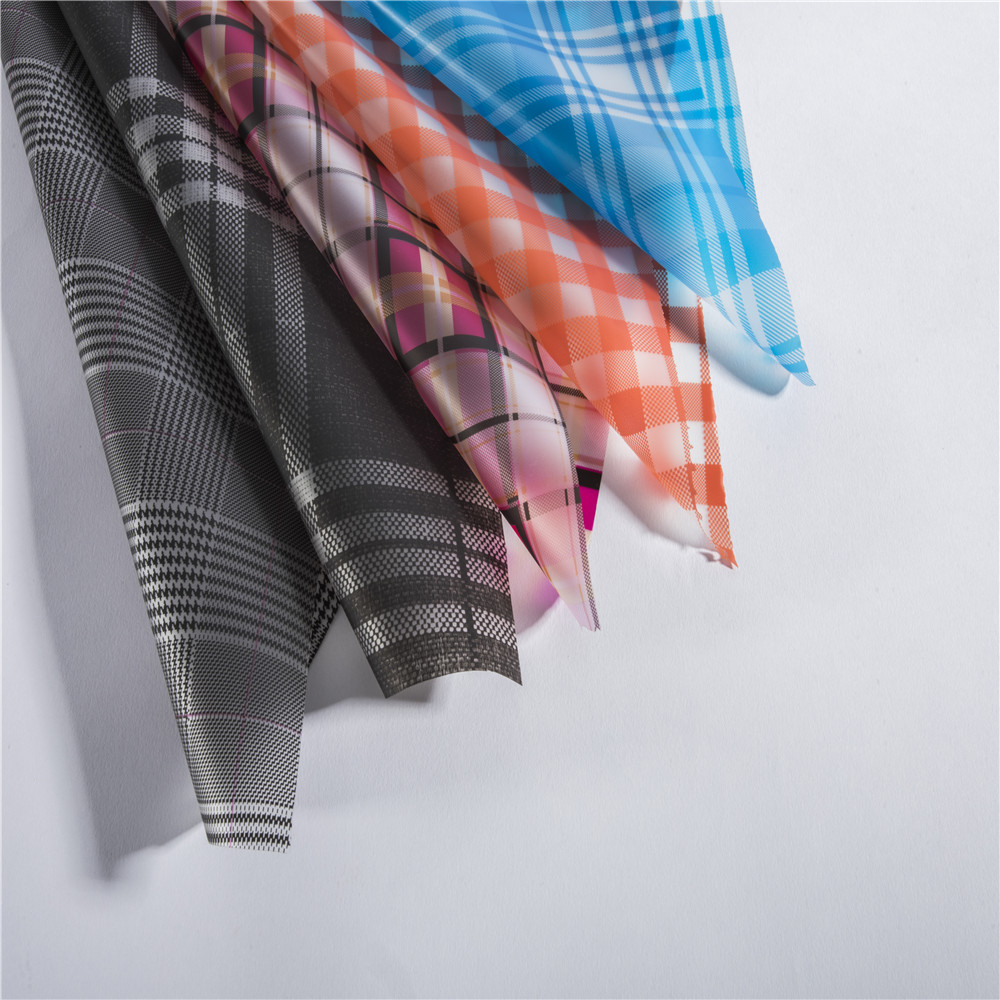
Xin Gen Tech’s team didn’t just send a standard product sheet. They analyzed the customer’s lamination process, recommended a high-adhesion TPU film with optimized optical properties, and provided technical support throughout the sampling phase.
The film passed lamination testing on the first try, and the project entered pilot production smoothly.
What this tells us: Technical expertise paired with hands-on support bridges the gap between a material spec and a working product. When vetting suppliers, ask for case studies where they solved a real customer problem—especially if your application is specialized (e.g., defense, medical, or electronics).
Three Pillars of Support That Drive Results
1. Rapid Sampling with Consistent Quality
TPU development is iterative. You may need three, five, or ten sample iterations before the film behaves exactly as needed. A producer with dedicated R&D lab equipment can turn around samples quickly, at low cost, with stable quality.
Practical tip: Request sample widths of at least 400mm—anything narrower may not give accurate results for lamination trials or product development.
2. Customization Without Chaos
Not all TPU films are created equal. Medical-grade TPU requires biocompatibility certifications (FDA, ISO 10993). Automotive paint protection films need scratch resistance and self-healing properties. Textile composites demand precise waterproof/breathable ratios.
The best producers offer customized thickness, hardness, and functional properties—and they do it without endless delays.
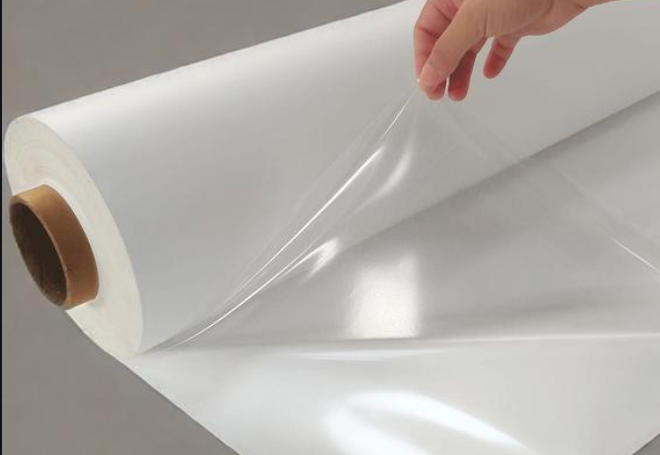
Checklist for customization support:
Can they adjust hardness from shore 70A to 95A?
Do they offer both aliphatic and aromatic TPU grades?
Is there a minimum order quantity for custom runs?
3. Third-Party Certifications That Open Doors
If you export TPU products, certifications are non-negotiable. Reputable suppliers hold ISO 9001, OHSAS 18001, and product-specific certifications like OEKO-TEX, SGS, ROHS, REACH, and FDA.
For example, Xin Gen Tech’s factory includes a dedicated R&D center and product laboratory, ensuring every batch meets rigorous standards. They also maintain certifications like EU 10/2011 for food contact materials—a must for medical and packaging applications.
Why this matters: A certified supplier saves you from costly re-testing and regulatory delays. Always request certification copies before placing an order.
The TPU Market Today: Where Support Makes the Difference
The global TPU film market is growing rapidly, driven by demand in footwear (the largest consumer segment), automotive interior parts, electronics (self-healing screen protectors), and medical devices. But with growth comes competition.
Here is the reality: You can find dozens of TPU film producers offering similar technical specs. The ones that stand out are those that:
Shorten development time through efficient sampling.
Provide real technical support during trials, not just sales pitches.
Hold recognized certifications that simplify your compliance work.
Invest in R&D (like Xin Gen Tech’s 6,000+ sqm Shanghai facility) to solve emerging challenges.
I have seen projects stall for months because a supplier could not deliver a consistent sample. On the flip side, I have watched companies accelerate their time-to-market by partnering with producers who treat sampling as a partnership, not a transaction.
Your Next Step: Evaluate Support Before Specs
When you compare TPU film suppliers, do not just compare price sheets. Compare:
Sampling lead time and cost
Customization capabilities
Certification portfolio
Track record of solving real customer problems
And always ask: Will this producer support me when the first sample fails? Because in materials development, failure is part of the process—and the right partner makes that process faster, cheaper, and less frustrating.
Whether you are developing a new medical catheter, a waterproof jacket, or an automotive paint protection film, the right TPU producer with excellent customer support can be the difference between a stalled project and a market-ready product.