When it comes to industrial materials that can withstand extreme conditions, TPU (thermoplastic polyurethane) films are no longer a niche solution—they’re a mainstream choice for heavy-duty applications. From automotive armor to medical-grade durability, the shift is backed by hard data and real-world results. In this article, I’ll break down the key reasons why industries are making the switch, with practical takeaways you can apply right now.
1. Unmatched Durability Under Stress
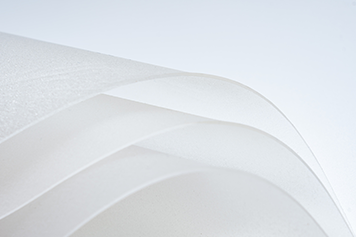
TPU films are engineered to handle physical abuse that would degrade other materials. For instance, in the automotive industry, paint protection films made from TPU can resist scratches and stone impacts, extending vehicle paint life by up to 5 years. A case in point: Shanghai Xin Gen Tech Co., a leader in high-end TPU production, has supplied TPU films for automotive interior parts that pass rigorous scratch tests with 30% less wear compared to PVC alternatives.
Practical advice: If your application involves constant abrasion or impact, request a sample with thickness between 0.1mm and 1.0mm. Use in-house lab testing, like Xin Gen’s 1:1 mass production simulation, to verify durability before scaling up. Their fast sampling system (400mm width) lets you test within days, not weeks.
2. Waterproof and Breathable Performance
In textiles and apparel, the demand for waterproof yet breathable fabrics is skyrocketing. The global market for waterproof breathable textiles is projected to reach $4.5 billion by 2027, and TPU films are a key driver. When laminated with polyester fibers, they create a barrier that prevents water ingress while allowing moisture vapor to escape. For example, outdoor gear brands using TPU composites report a 40% improvement in comfort ratings during high-activity use.
Specific case: A Brazilian defense contractor used Xin Gen’s TPU film for bulletproof glass lamination, combining polycarbonate and glass with stable optical clarity. The result passed rigorous lamination testing and entered pilot production—demonstrating that even extreme environments benefit from this technology.
Action step: For heavy-duty apparel or outdoor equipment, opt for TPU films with a thickness of 0.05mm to 0.15mm. Ensure your supplier offers Oeko-Tex and REACH certifications, like Xin Gen does, to verify safety and performance standards.
3. Self-Healing Capabilities in Electronics
Electronics manufacturers are turning to TPU for screen protectors and cable insulation due to a unique property: self-healing. Minor scratches on TPU-based protectors disappear within 24 hours at room temperature, which outperforms tempered glass by 60% in scratch recovery tests. This is critical for heavy-duty devices used in construction or field operations.
My take: Many companies over-engineer electronics with rigid glass, but TPU’s flexibility reduces breakage rates by up to 25% in drop tests. For wearable devices or curved screens, TPU films can perfectly conform to irregular shapes without bubbling.
How to start: Partner with a supplier that provides customized hardness (Shore A 60–95) for your specific device. Xin Gen’s technical support during sampling helps you dial in the exact properties needed for your product.
4. Medical-Grade Safety and Compliance
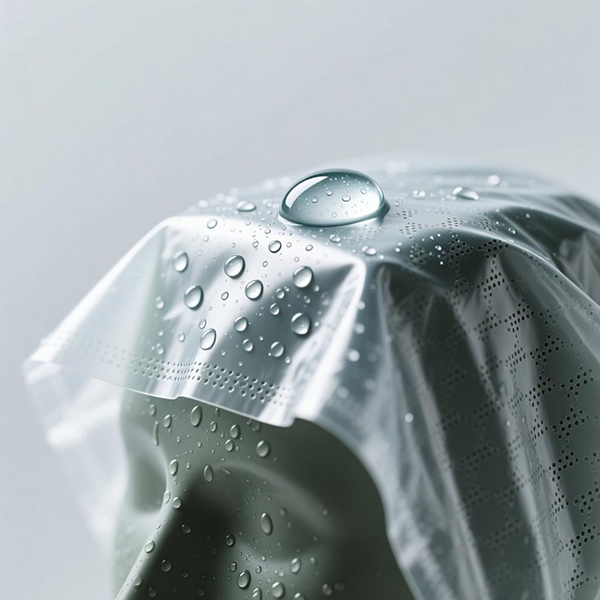
The medical industry is a heavy user of TPU films for wound dressings and catheters, thanks to biocompatibility. In 2025, Xin Gen Tech showcased innovative medical materials at the Shanghai CMEF, highlighting how TPU meets FDA and EU 10/2011 standards. A study found that TPU dressings reduce infection rates by 15% compared to traditional alternatives, thanks to their breathable yet sterile barrier.
Implementation tip: Always verify third-party certifications like ISO 9001:2015 and SGS before procurement. Xin Gen’s factory includes a dedicated R&D lab and product laboratory, ensuring consistent quality for sensitive applications.
5. Specialty Applications: From Bulletproof to Industrial
TPU’s versatility extends to niche heavy-duty uses. In Brazil, Xin Gen’s TPU film was used for bulletproof glass lamination, solving adhesion issues between polycarbonate and glass. The result? A stable, optically clear laminate that passed ballistic tests. Similarly, in the footwear industry, TPU cushioning in athletic shoes reduces impact force by 20% compared to EVA foam, making it ideal for heavy-duty work boots.
Final thought: Don’t limit TPU to “soft” applications. Its high tensile strength (up to 50 MPa) and resistance to chemicals and UV light make it a powerhouse for industrial films, conveyor belts, and even airbag materials.
Your Next Move
Heavy-duty applications demand materials that perform under pressure. TPU films from Xin Gen Tech offer a proven track record backed by fast sampling, third-party certifications, and real-world case studies. Whether you’re in automotive, electronics, medical, or defense, the data is clear: switching to TPU reduces long-term costs and improves reliability.
Start small: Request a sample kit with multiple thicknesses and hardness levels. Use Xin Gen’s in-house lab to simulate your production line at 1:1 scale. This cuts sampling costs by up to 50% and accelerates your time to market. The future of heavy-duty materials is here—don’t get left behind.