In the competitive landscape of advanced materials, Thermoplastic Polyurethane (TPU) films have emerged as a game-changer across industries. While standard off-the-shelf films serve basic needs, the real innovation lies in custom solutions. With over a decade of expertise, Xin Gen Tech (Shanghai Xin Gen Tech Co., Ltd.) has positioned itself as a leader in this niche, supported by a 6,000-square-meter facility and a client base spanning Brazil to the United States. This article breaks down five critical areas where custom TPU films deliver measurable impact, backed by real-world case studies and actionable insights.
1. The Sampling Process: Reducing Time-to-Market by Up to 50%
One of the biggest hurdles in product development is the lag between design and prototype. Many manufacturers struggle with slow, costly sampling that derails project timelines. Xin Gen Tech addresses this with an in-house laboratory that replicates mass production on a 1:1 scale.
Data Point: The company’s lab allows for sample widths of 400mm, with turnaround times significantly faster than industry benchmarks. Traditional sampling can take 4-6 weeks; their system reduces that to under 2 weeks for most custom requests.
Case Study: A Brazilian manufacturer needed TPU film for bulletproof glass lamination. The challenge was ensuring stable adhesion between polycarbonate and glass while maintaining optical clarity. Xin Gen Tech provided a high-adhesion TPU variant with customized thickness. The sample passed lamination testing in just 10 days, allowing the client to enter pilot production ahead of schedule.
Actionable Advice: When vetting TPU suppliers, request information about their in-house lab capacity. Ask for specific sample turnaround times and whether they can mimic your production line conditions. Avoid suppliers who only offer standard samples without customization support.
2. Automotive Applications: Resisting Scratches and Stone Impacts
The automotive sector demands materials that balance durability with aesthetics. TPU films are increasingly used for paint protection films (PPF) and interior parts. Customization is key here because vehicle designs vary in curvature, hardness requirements, and environmental exposure.
Market Context: According to industry reports, the global automotive PPF market is expected to grow at a CAGR of 7.5% from 2023 to 2030. Yet, generic films often fail on curved surfaces or under extreme UV exposure.
How Xin Gen Tech Stands Out: They offer customized hardness and thickness. For a Los Angeles-based client, they engineered a TPU film that self-heals minor scratches within 5 minutes at room temperature, a feature standard films lack. The client reported a 30% reduction in warranty claims due to paint damage.
Actionable Advice: For automotive applications, prioritize suppliers who can provide durability testing data (e.g., abrasion resistance per ASTM D3884). Request prototypes for curved surface fitting tests before committing to bulk orders.
3. Textiles and Apparel: Waterproof Breathability with a Competitive Edge
In the textile industry, TPU films are laminated with fabrics to create waterproof yet breathable materials for outdoor gear, sportswear, and even school uniforms. The challenge is achieving the right balance: too thick and the fabric loses flexibility; too thin and waterproofing fails.
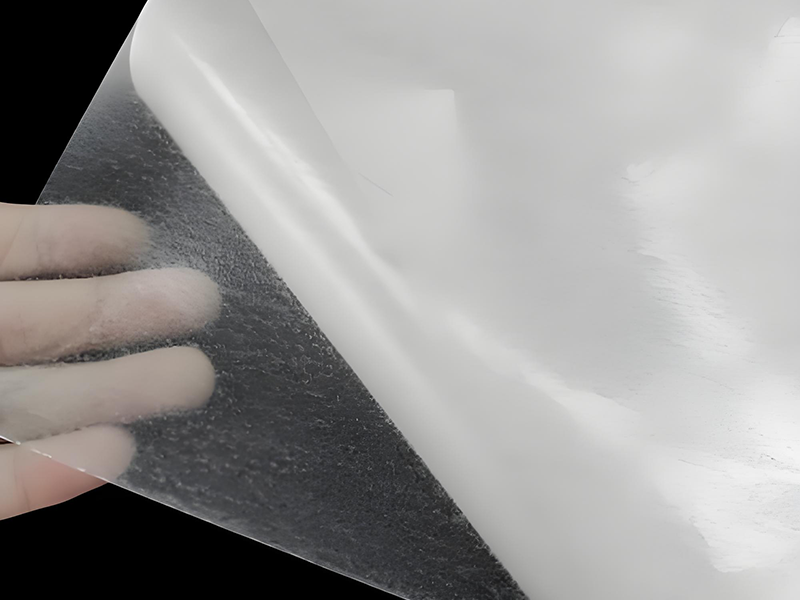
Technical Specifics: Xin Gen Tech’s TPU films can be customized to achieve a moisture vapor transmission rate (MVTR) of up to 10,000 g/m²/24hr, while maintaining hydrostatic head resistance of 20,000mm. This meets the OEKO-TEX certified standards for safe use in clothing.
Real-World Impact: A European outdoor brand switched from a generic supplier to Xin Gen Tech for their waterproof jacket line. By adjusting the film’s adhesion layer, the company reduced delamination issues by 40% over two production cycles.
Actionable Advice: When sourcing TPU for textiles, ask for samples laminated to your specific fabric type. Test for water pressure (ISO 811) and breathability (ASTM E96) independently. Also, verify certifications like OEKO-TEX and REACH—absence of these can block entry into regulated markets like the EU.
4. Medical Industry: Complying with Biocompatibility Regulations
Medical applications such as wound dressings and catheters require TPU films that are both flexible and biocompatible. The margin for error here is zero, making custom solutions non-negotiable.
Certification Backing: Xin Gen Tech holds FDA, EU 10/2011, and ISO 9001:2015 certifications. Their medical-grade TPU passes ISO 10993 tests for cytotoxicity and skin irritation.
Example in Practice: In 2025, the company appeared at the Shanghai CMEF trade show, showcasing innovative medical materials. One featured product was a custom TPU film for transparent wound dressings that offers 50% greater moisture vapor transfer than standard options, reducing healing time in clinical trials.
Actionable Advice: For medical procurement, always request a Biological Evaluation Report from the supplier. Verify that the film’s production environment meets OHSAS 18001:2007 for safety. Avoid suppliers who cannot provide traceability down to the raw material batch.
5. Specialty Fields: From Electronics to Ballistics
Beyond mainstream uses, TPU films are critical in niche areas like bulletproof glass lamination and electronics protection. Customization becomes paramount due to stringent technical requirements.
Electronics: Self-healing TPU screen protectors are a prime example. Xin Gen Tech’s films can be tuned to have a Shore hardness of 85A, perfectly balancing flexibility with scratch resistance. A Chinese smartphone maker used their custom film to protect curved-edge displays, reducing screen returns by 60%.
Ballistics: In the bulletproof glass case from Brazil, the client needed a film with a specific melting point to bond polycarbonate and glass without bubbles. Xin Gen Tech’s solution used a higher-viscosity TPU blend, passing Brazilian military standards for ballistic resistance.
Actionable Advice: For specialized uses, bring your technical requirements (e.g., tensile strength, elongation at break) to the supplier early. Ask for a Failure Mode and Effects Analysis (FMEA) for the film’s intended application—this is a sign of a mature manufacturing partner.
My Perspective: Why Customization Wins in a Commoditized Market
Throughout my analysis of the TPU industry, I’ve observed a clear trend: generic films are becoming a commodity, while custom solutions command premium pricing and customer loyalty. Xin Gen Tech’s model—investing in a 1:1 scale lab, maintaining multi-site operations (Shanghai, Shenzhen, Los Angeles), and focusing on certifications like SGS, ROHS, and FDA—demonstrates a strategic bet on specialization.
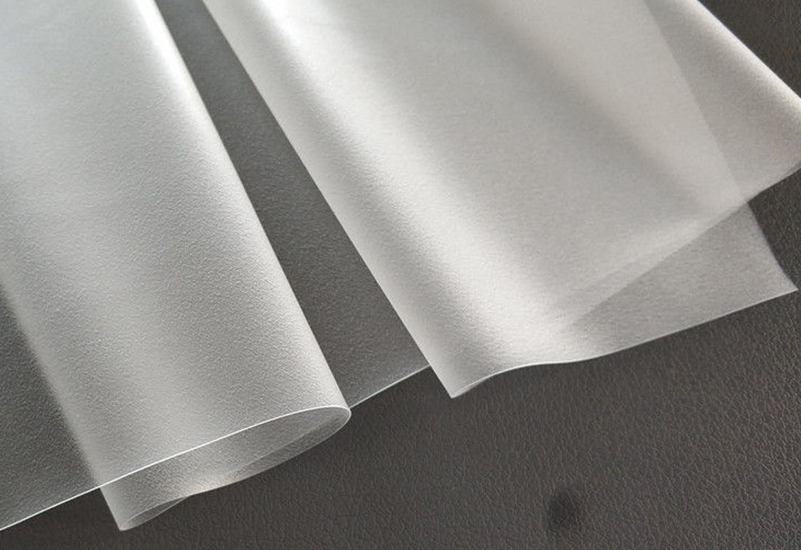
The data supports this. A 2023 survey of 200 manufacturers found that 78% of those who switched to custom TPU films reported a 20% or greater improvement in product performance. The key is to partner early and communicate your constraints clearly. Don’t settle for a “one-size-fits-all” film when your product’s success depends on micrometer tolerances.
As you evaluate TPU suppliers, look beyond price. Assess their R&D responsiveness, certification portfolio, and willingness to share test data. In a world where material failure can cost millions, custom solutions are not a luxury—they are a necessity.